Urban Renovations Blog
Tired of a Muddy Backyard? The Real Difference Between Hardscaping and Landscaping
Peterson SEO • February 20, 2026 Urban Renovations | Appleton, WI | USA
Does Your Backyard Feel More Like a Problem Than a Place to Relax?
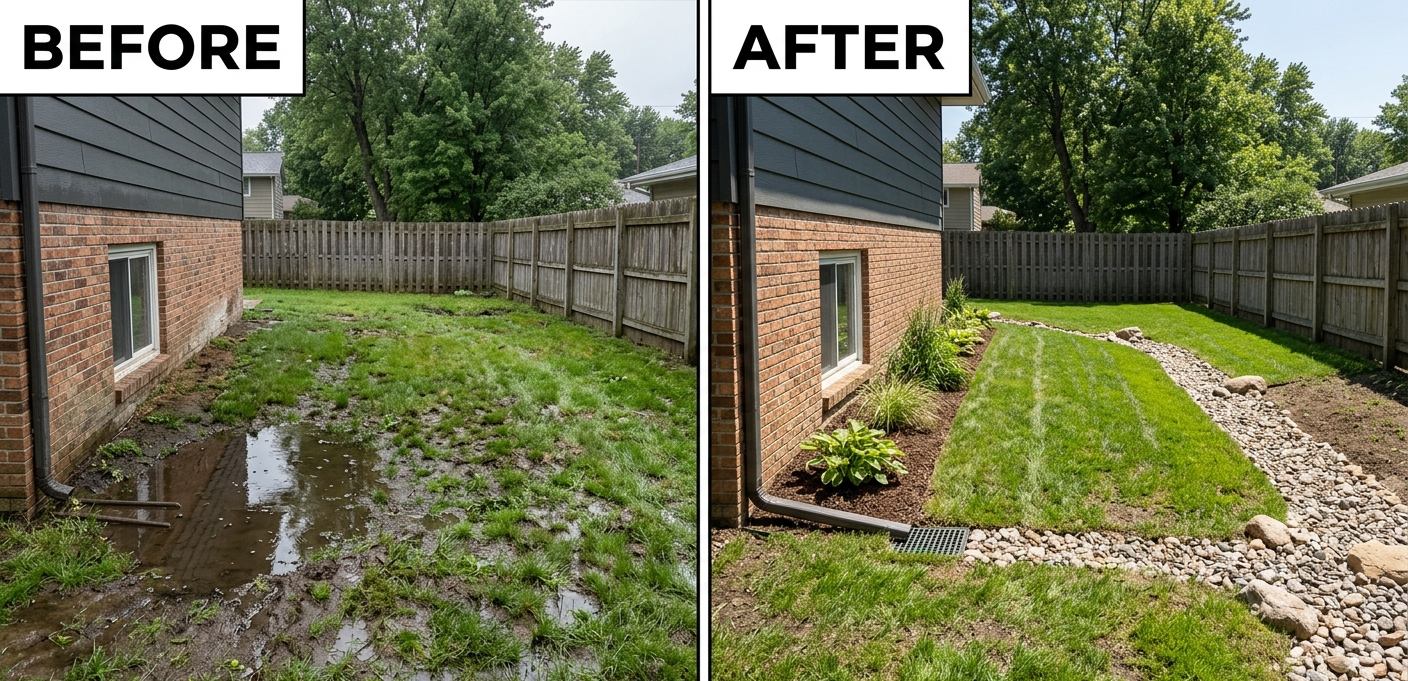
Picture a warm Tuesday evening in July. You just finished a great dinner with your family and step out the back door with a cold drink, hoping to finally unwind. But instead of a peaceful retreat, you find a muddy patch of grass that needs mowing and nowhere level to set your drink down. It is frustrating, and you know something needs to change. You are just not sure where to start.
Most homeowners we talk to across the Fox Valley know they want something better but struggle to describe exactly what. Some start searching for hardscaping Appleton contractors and are not entirely sure what that even means. Others just know the yard is not working and want someone to fix it. Understanding what separates your hard surfaces from your living plants is the most important first step you can take before calling anyone.
Hardscaping Vs Landscaping: What These Two Terms Actually Mean
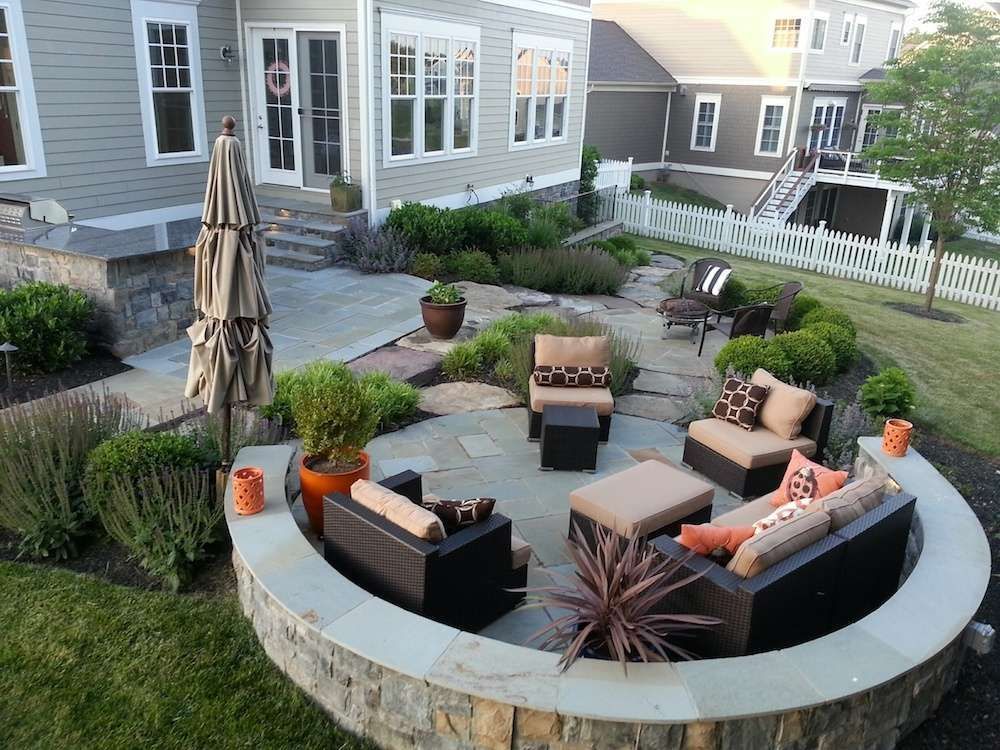
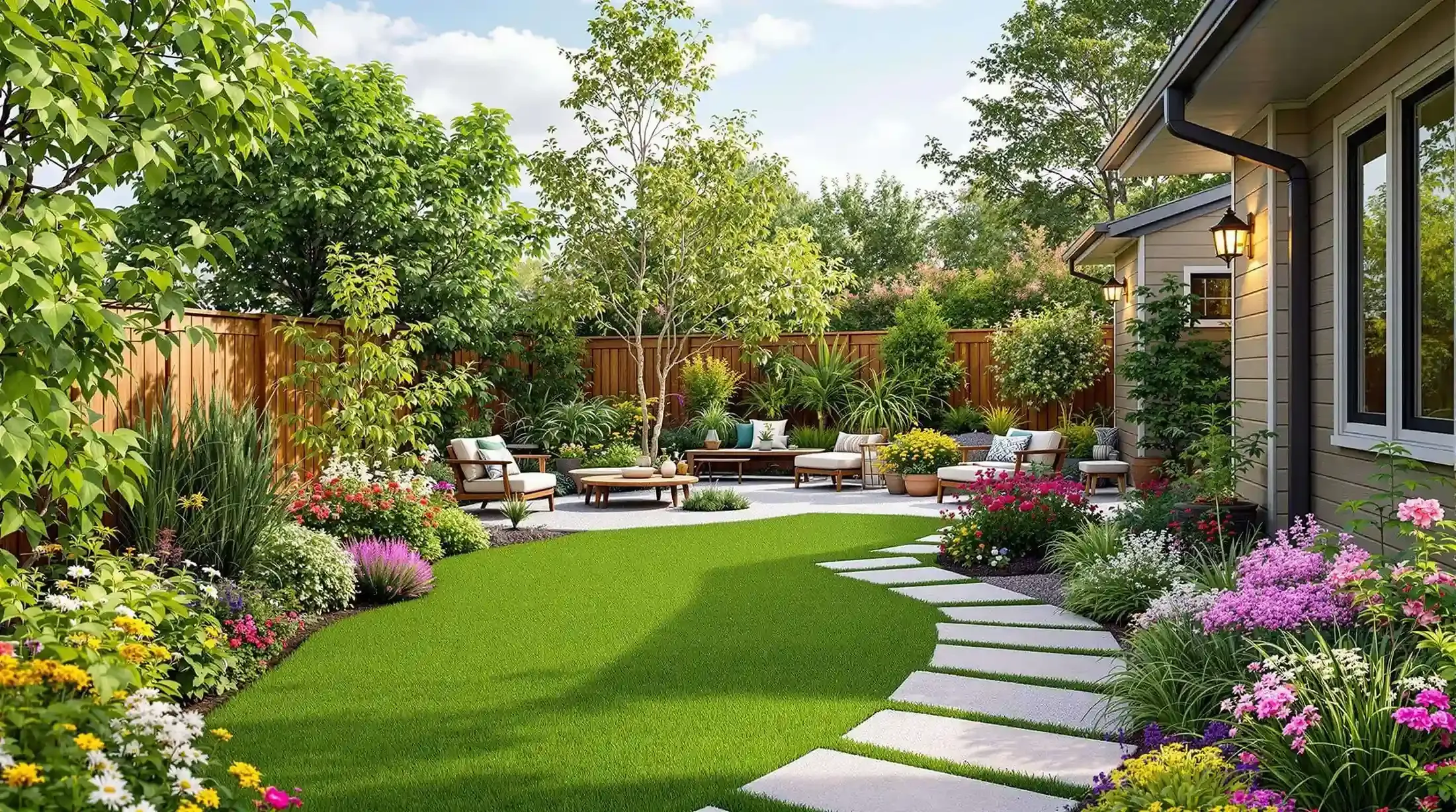
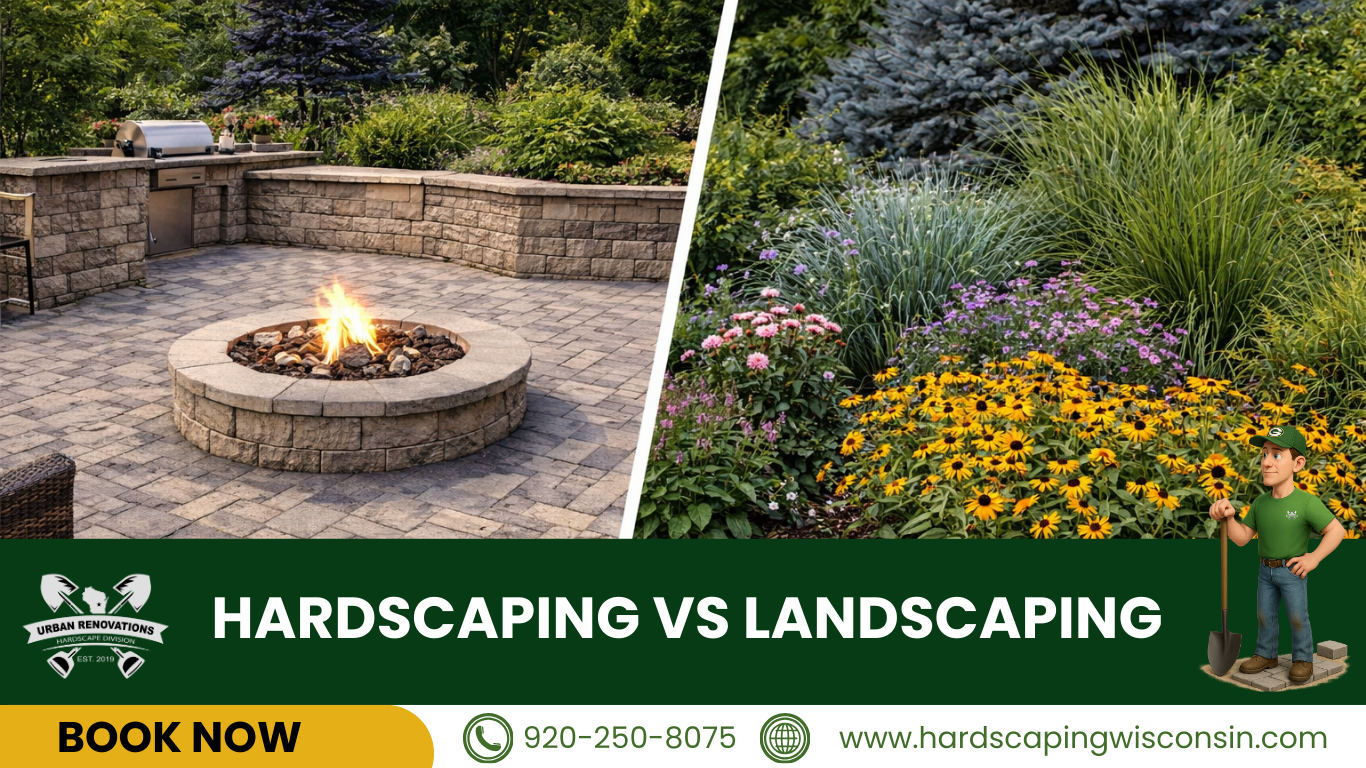
Hardscaping refers to the permanent, non-living materials built into your outdoor space. Concrete patios, stone retaining walls, brick walkways, and wooden decks all fall into this category. The living side of things, plants, grass, trees, and garden beds, is what most professionals call softscaping or simply landscaping. One gives your yard its bones and structure. The other brings it to life with color, texture, and seasonal change.
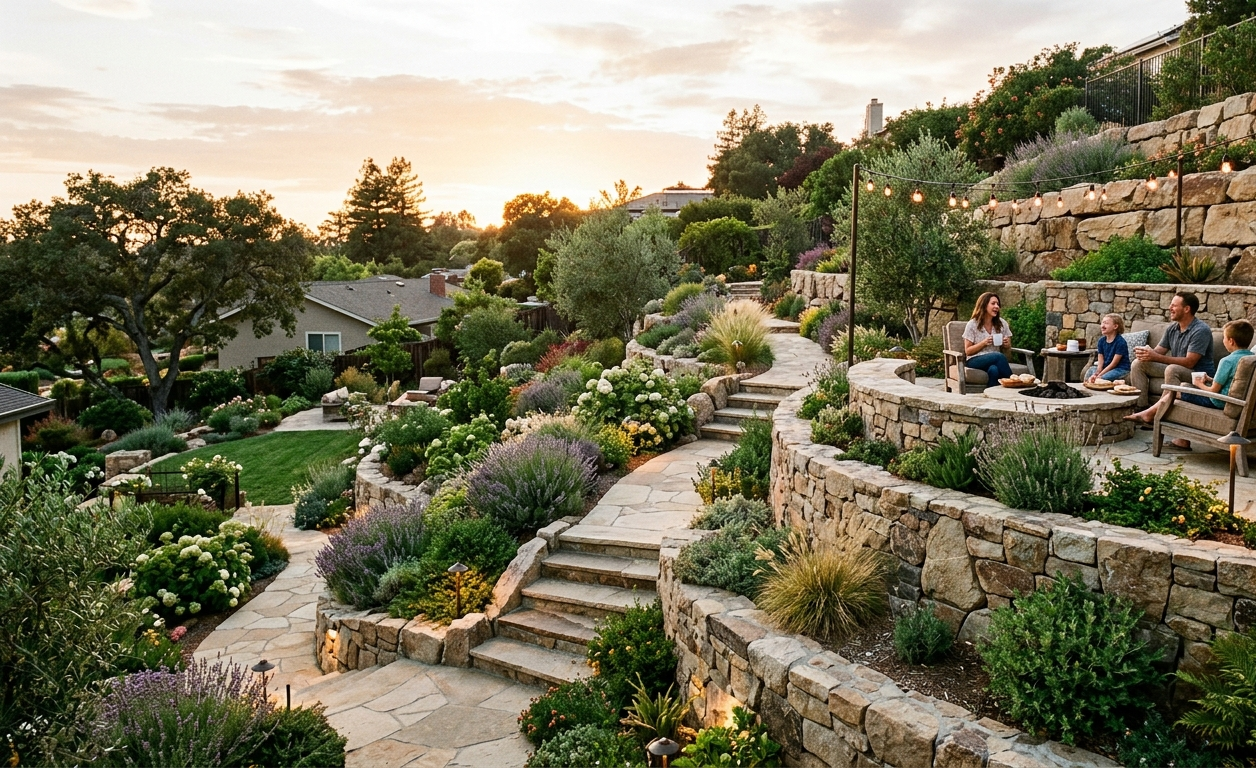
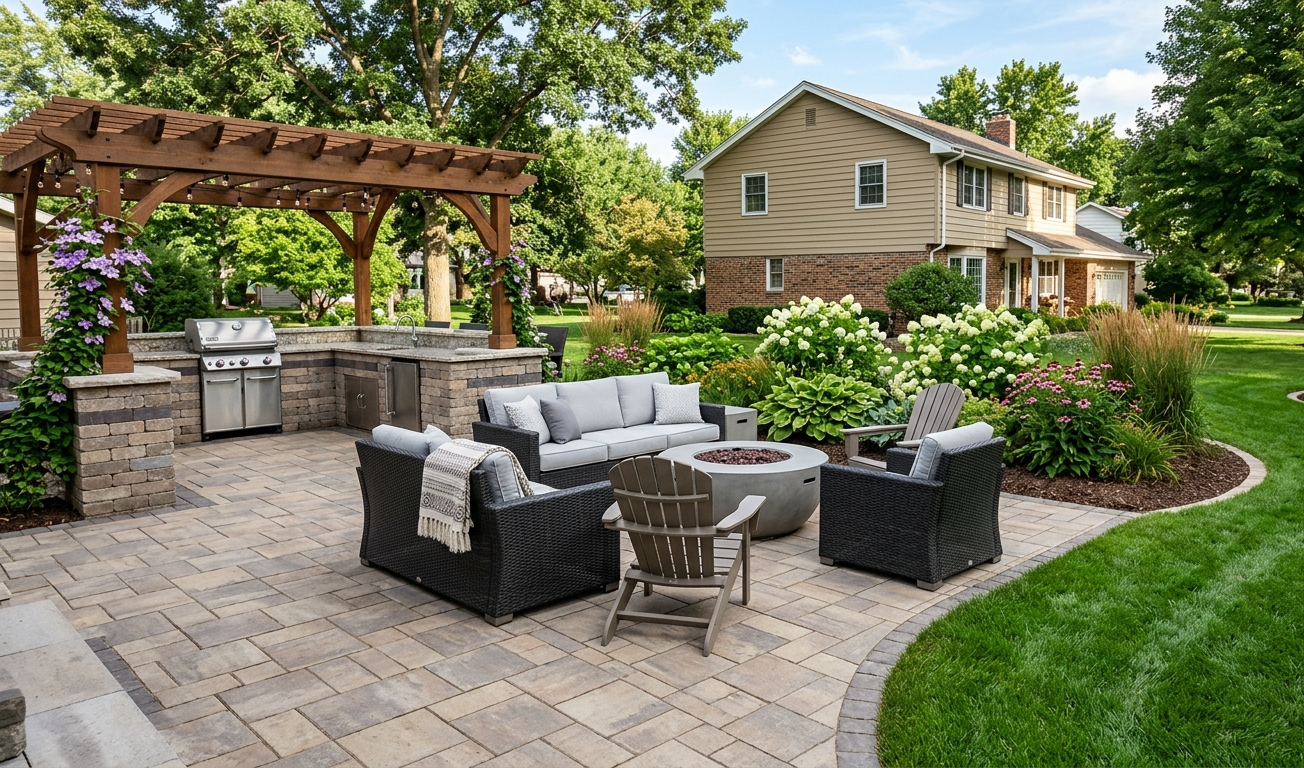
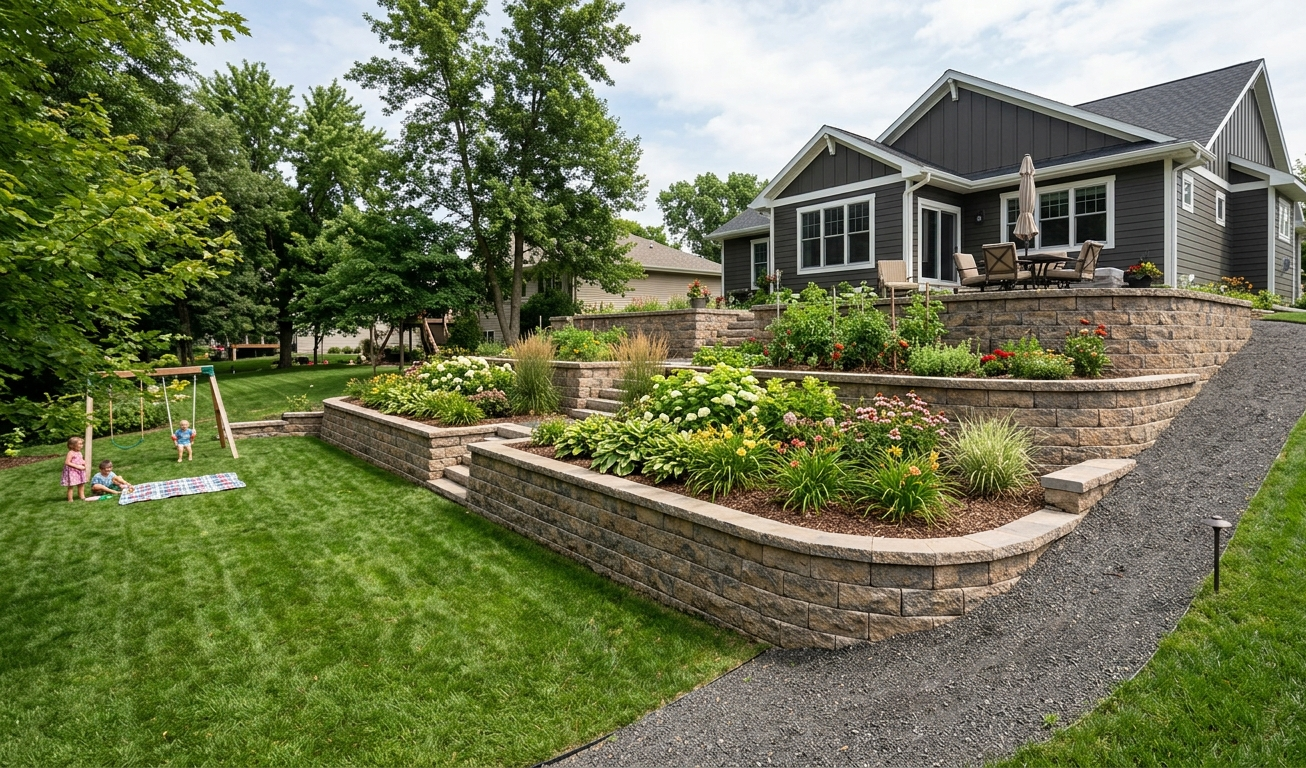
When homeowners look into landscaping Appleton services, they are often surprised to learn that the best results always start with getting the structure right first. A retaining wall holds back soil while the plants above it prevent surface erosion. A patio gives your family somewhere to gather while the garden beds around it make the space feel warm and inviting. Without solid structure underneath, even the most carefully chosen plants will struggle to survive and thrive.
This distinction is the first real step in taking control of your property. Many homeowners assume that planting a few expensive shrubs will fix a broken yard layout. But a steep hill washing mud toward your foundation will not be solved by more grass. You need the earth managed and stabilized first. The plants come after.
A Real Story From the Fox Valley
A family we worked with recently spent a good chunk of their budget at a local garden center buying vibrant perennials. They spent an entire weekend planting everything carefully along their back fence. Three days later, a summer thunderstorm rolled through and rushing water washed nearly all of it away because the yard sloped directly downhill with nothing holding the earth in place.
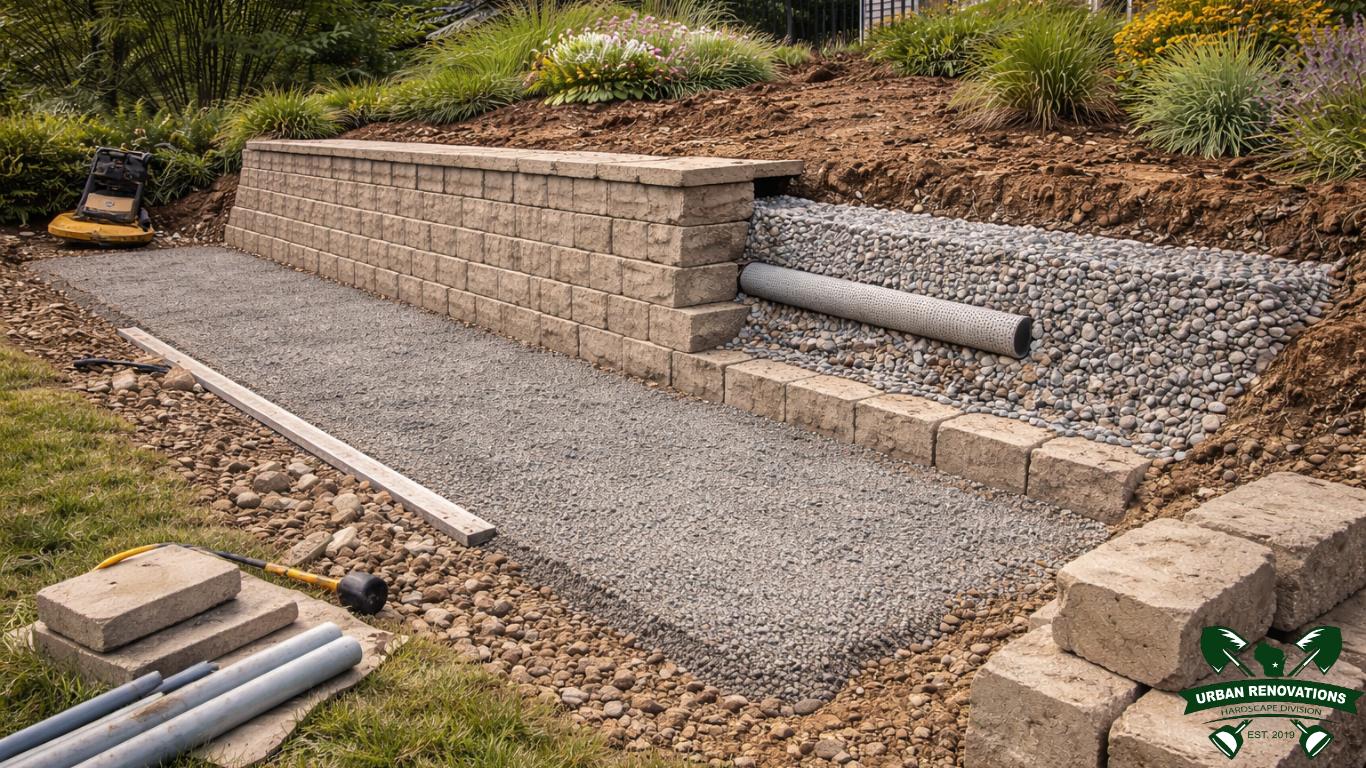
That was entirely preventable. What they needed first was proper terracing and a
retaining wall to stabilize the ground before a single plant went in. This is one of the most common and heartbreaking mistakes we see. Spending money on beautiful plants before the structural problems are solved almost always means doing the work twice. Getting the foundation right the first time protects everything that comes after it.
What Goes Into the Structural Side of Your Yard
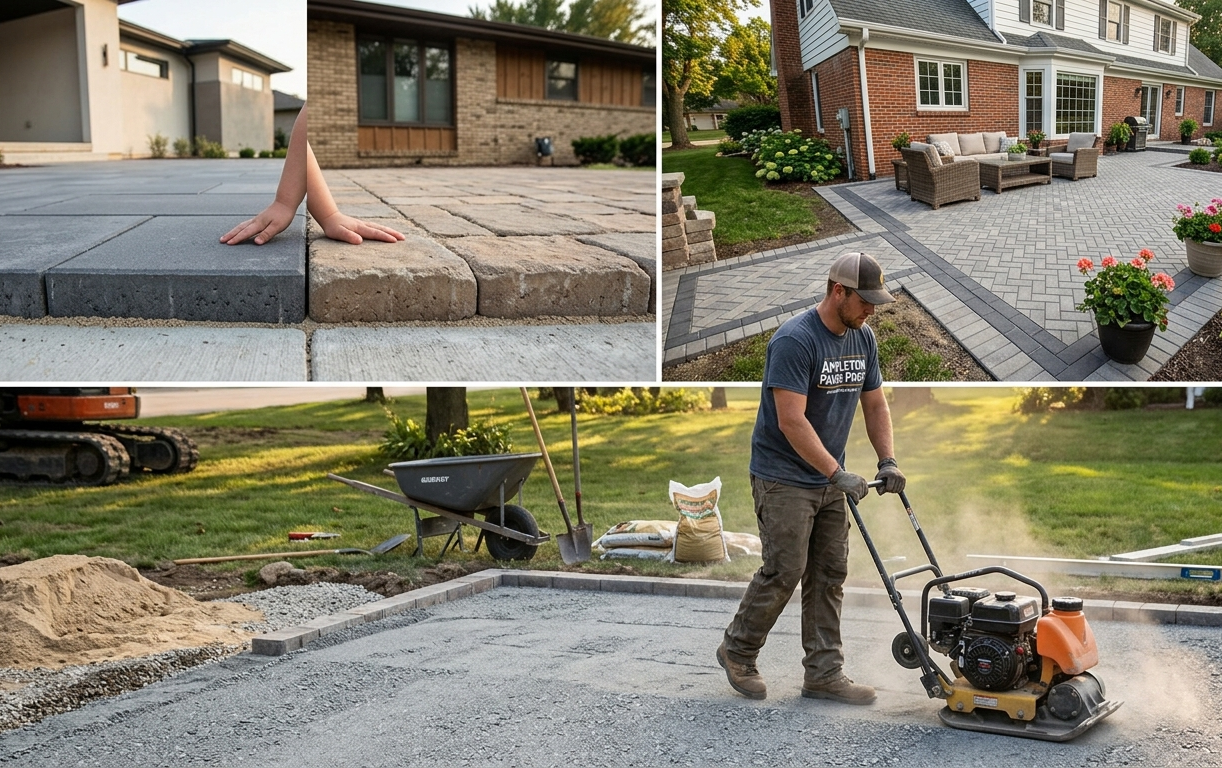
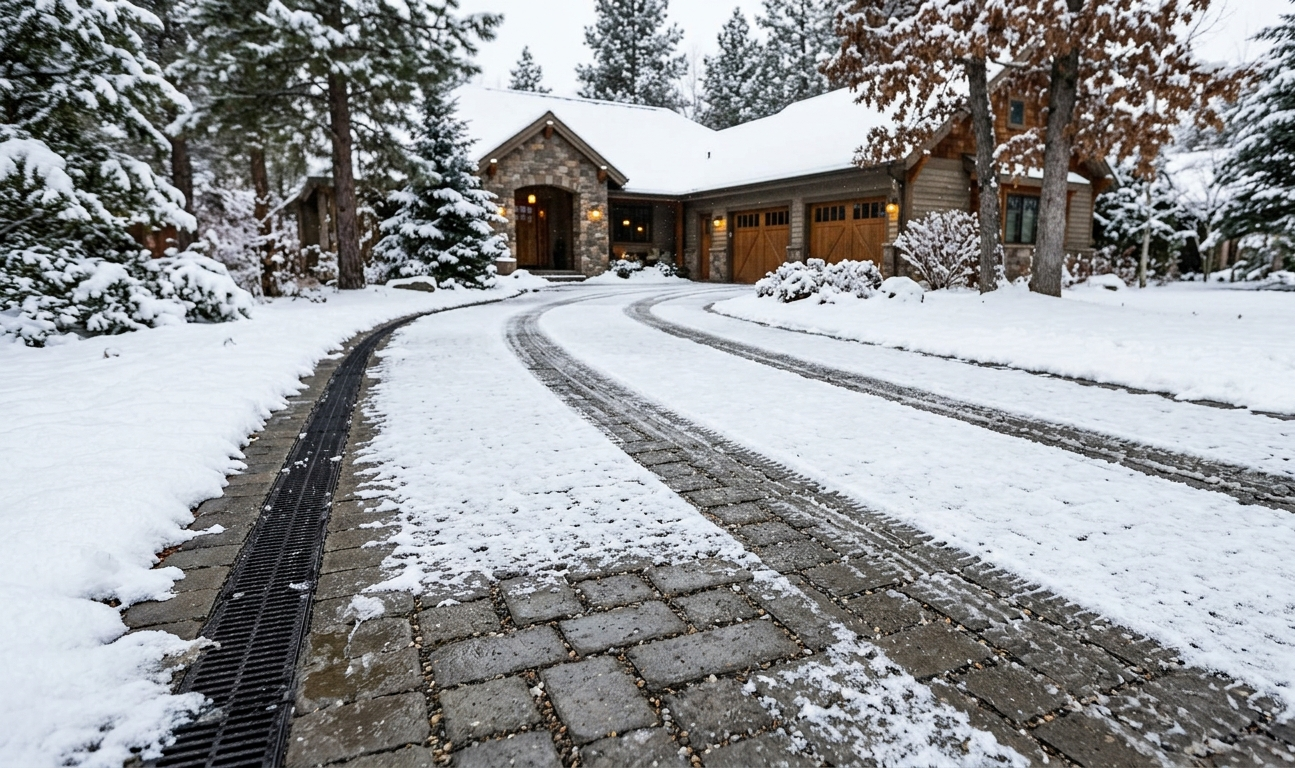
The hard materials used in outdoor construction include interlocking concrete pavers, natural flagstone, poured concrete, timber, and decorative gravel. According to the Concrete Masonry and Hardscapes Association, interlocking pavers outperform poured concrete over time because their jointed structure allows the surface to flex with ground movement rather than crack. In a climate like ours where the ground shifts every single winter, that flexibility is not optional. It is essential.
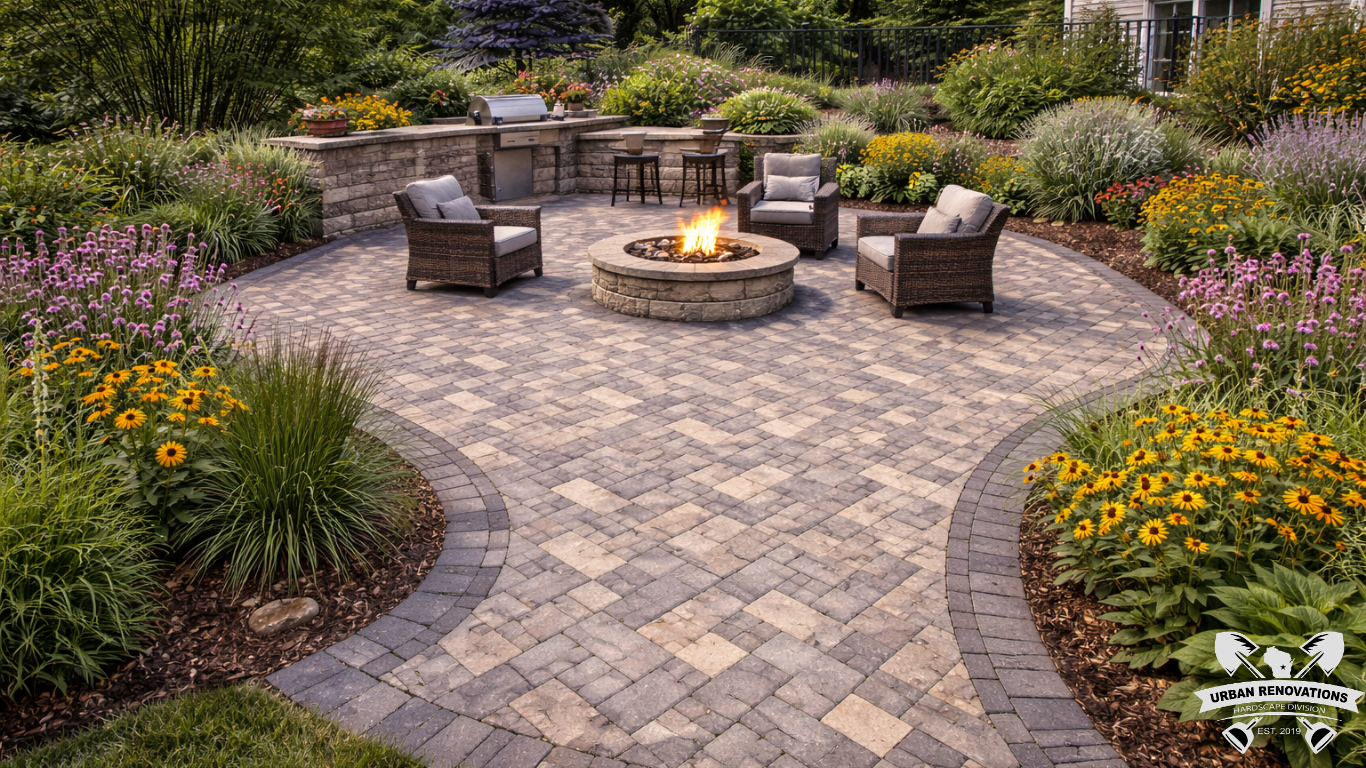
Choosing the right material comes down to your style, your budget, and what your specific property demands. Poured concrete is affordable upfront but can crack as the ground moves beneath it. Natural stone offers a timeless appearance but costs more initially. Interlocking pavers tend to sit in the middle: durable, flexible, and sharp-looking year after year. A good contractor will walk you through these options honestly before any work begins.
Why the Structural Work Always Has to Come First
There is a practical reason the hard work happens before anything living goes in. Building a patio or retaining wall requires excavators, skid steers, and dump trucks moving through your yard. That equipment will flatten any plants in its path without hesitation. It makes no sense to invest in a beautiful garden only to destroy it with machinery a week later. Structure first, softscaping second. That order holds on every project we run.
One thing that sets quality hardscaping Appleton contractors apart is understanding that every decision made during the build phase directly affects what you can plant afterward. We dig trenches, move large amounts of soil, and establish drainage channels beneath the finished surface. Only after that grading is complete should fresh topsoil and plants come in. If you are planning your budget, our guide on the cost of a paver patio in the Fox Valley breaks down what to realistically expect for materials and labor in our local market.
Choosing Plants That Actually Survive a Wisconsin Winter
Once your structural foundation is solid, the exciting part begins. The best landscaping Appleton projects we have worked on share one thing in common: every plant was chosen with our specific climate in mind. Hardy oak trees, vibrant hydrangeas, ornamental grasses, and native Wisconsin wildflowers all thrive in our region and look better every year as they mature.
Native species handle our extreme temperature swings without constant attention and need far less watering and fertilizing than non-native varieties. A thoughtful planting schedule ensures something is blooming from early spring through late autumn. The goal is a garden that works with our climate rather than constantly fighting it. Your yard should bring you joy every season, not create a new list of chores.
What Wisconsin Winters Do to Poorly Built Outdoor Spaces
Our freeze and thaw cycles are genuinely tough on surfaces that were not built with the right foundation. When moisture in the ground freezes, it expands and pushes upward against whatever sits above it. A patio laid directly on loose dirt will heave over winter and look like a bumpy, uneven mess by spring. This is one of the most common repair calls we get, and it almost always traces back to a skipped or inadequate base layer during the original build.
Quality construction means digging deep and installing thick, compacted crushed aggregate beneath every finished surface. This base drains water before it can freeze and expand, and acts as a buffer when the ground shifts each winter. If you want to understand exactly how frost affects vertical structures on your property, our guide on frost heave prevention for retaining walls goes deep on this topic. Getting the engineering right is what separates a surface that lasts twenty years from one that needs replacing in five.
Budgeting Honestly for Both Sides of the Project
A realistic outdoor budget accounts for both the structural elements and the living plants you want. The hard construction side will almost always take the largest share. Moving earth, engineering drainage, and laying stone requires serious labor and specialized equipment. That investment is not glamorous, but it is what makes everything built on top of it last. Think of it as the foundation of a house. You would not cut corners on it to save money on framing.
Long-term maintenance costs are worth thinking through too. A large lawn demands weekly mowing, regular watering, and seasonal fertilizing to stay healthy. A stone patio needs almost nothing beyond an occasional sweep and a yearly rinse. Many homeowners find that investing more in permanent surfaces upfront reduces the total time and money spent on maintenance over the years. Finding the right balance between your initial investment and your ongoing effort is a conversation worth having before the first stone is laid.
How to Tell If a Contractor Actually Knows What They Are Doing
Not every outdoor contractor has the skills to handle complex structural work. When you are looking for a true hardscaping Appleton specialist, there is a big difference between a lawn care company that also offers patios and a team that specializes in excavation, drainage design, and engineered base preparation. Ask for photos of completed projects. Ask for local references you can actually call. A contractor who builds things properly will be proud to show their work and happy to connect you with previous clients.
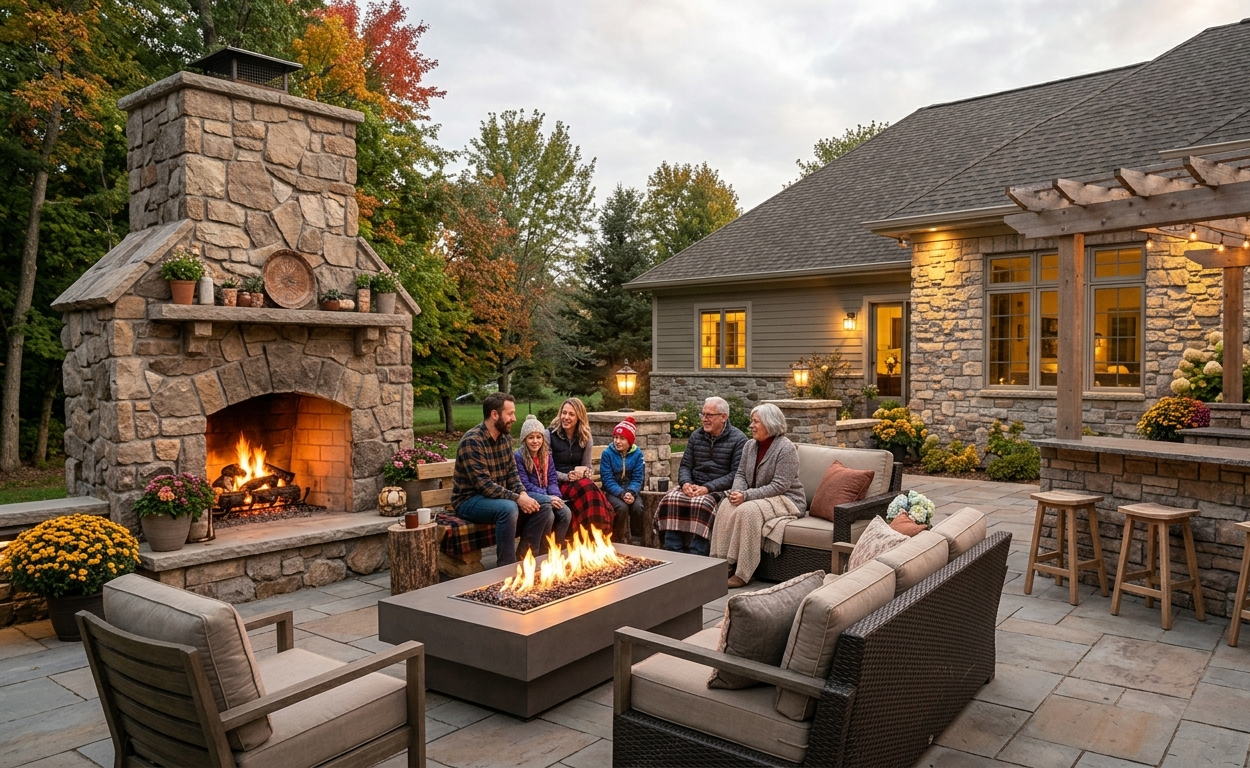
The right contractor also listens before they start suggesting solutions. They should ask how you plan to use the space, what your family needs from the yard, and what your realistic budget looks like. Whether you are envisioning large summer gatherings or quiet evenings around a fire pit, the design should serve the way you actually live. Honest communication from the first conversation matters just as much as the quality of the materials going in the ground.
Two Very Different Sets of Ongoing Maintenance
Caring for your plants requires consistent attention throughout the growing season. You will need to prune shrubs, pull weeds, and water during dry spells. For many people, this kind of garden upkeep becomes a satisfying weekend routine. But if yard work is not your idea of relaxing, keeping planted beds small and choosing native, low-maintenance varieties from the start will save you a lot of frustration over time.
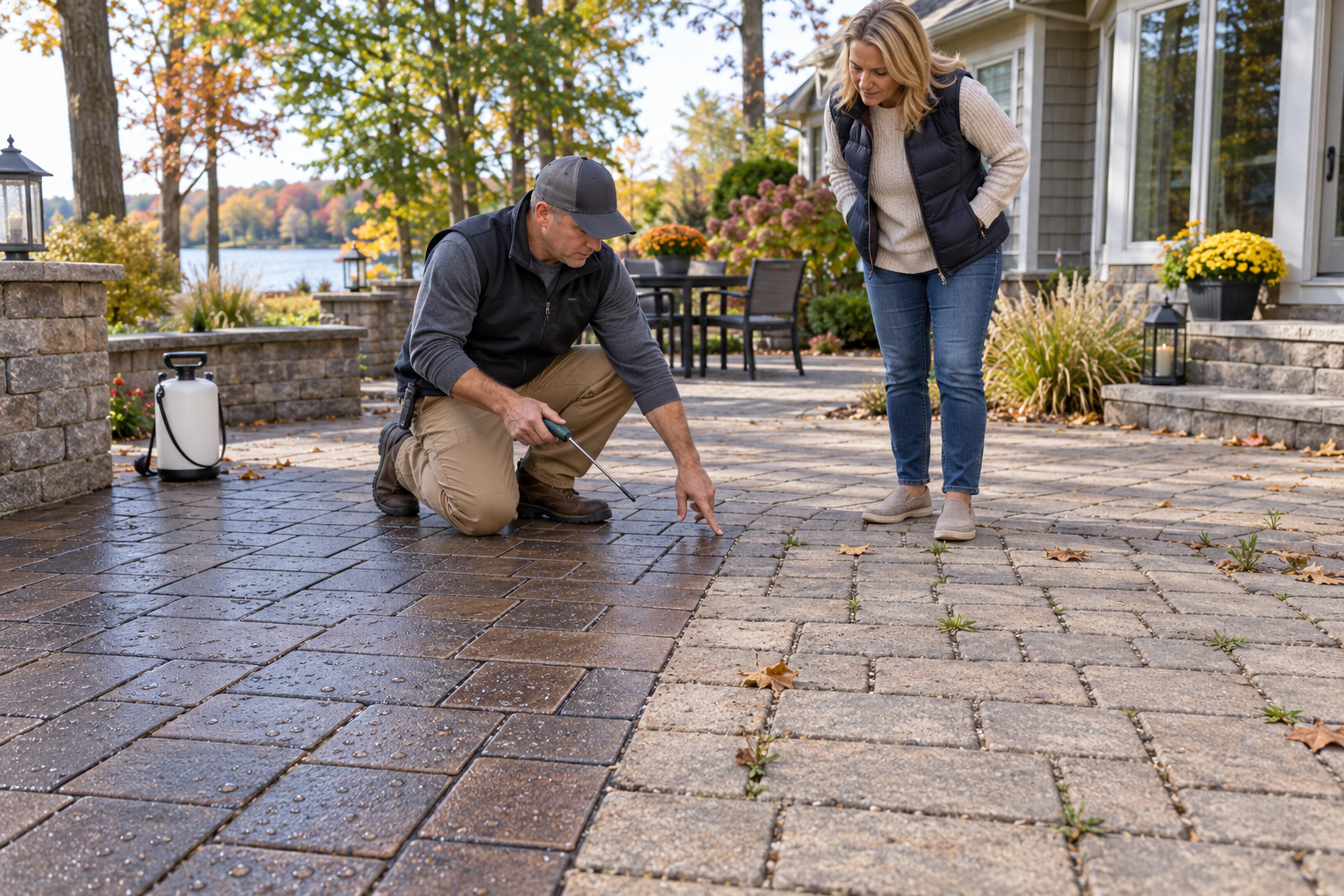
The structural side of your yard is a completely different story. A well-built stone patio needs very little beyond sweeping off leaves in autumn and occasionally adding polymeric sand back into the paver joints. You might power wash the surface once a year. That is genuinely about it. Building things properly from the start means you spend more time enjoying your outdoor space and far less time working in it.
Ready to Stop Looking at That Muddy Backyard?
If this guide has helped you see your yard more clearly, that is exactly what it was meant to do. At Urban Renovations, we build safe, functional outdoor spaces where Fox Valley families can actually enjoy being outside. We handle the structural, technical work so you can focus on what comes after: sitting outside and enjoying the property you have worked hard for.
We would love to hear what you are envisioning and put together a realistic plan that fits your goals and your budget. Whether you need a new driveway, a protective retaining wall, a custom patio, or full landscaping Appleton homeowners can count on through every season, we have the local experience to do it right. Reach out today to schedule your consultation. We are proud to serve homeowners throughout Appleton and the surrounding Fox Valley communities, and we would love to build something your family will enjoy for generations. Contact us today for a free quote.
About Urban Renovations
Urban Renovations is Central Wisconsin’s one stop team for hardscaping and landscaping, built around clean craftsmanship and a smooth experience from start to finish. They handle everything from paver patios, retaining walls, pergolas, and outdoor kitchens to grading, lawn installation, planting, and drainage that keeps your yard looking right and working right. Their 3D design process helps homeowners see the plan before work begins, so decisions feel confident and surprises stay off the jobsite. From the first conversation to the final walkthrough, their crew keeps communication clear, timelines realistic, and results built to last.
Ready to transform your outdoor space?
Trusted Local Team • Design and Build • Licensed and Insured • Year Round Service
From complete yard makeovers and hardscape installations to mowing and seasonal cleanups, we help Wisconsin homeowners get it done right. Call 920-250-8075 or submit the form below to get started.
Contact Us
Ready to Upgrade Your Outdoor Space?
If you are thinking about a new patio, retaining wall, pergola, or a fresh lawn install, our team is here to help you plan it right and build it to last. Reach out to Urban Renovations to talk through your goals, get expert guidance, and take the next step toward a clean, functional outdoor space you will enjoy for years.
Follow Us
Get A Free Quote Today!