

Urban Renovations Blog

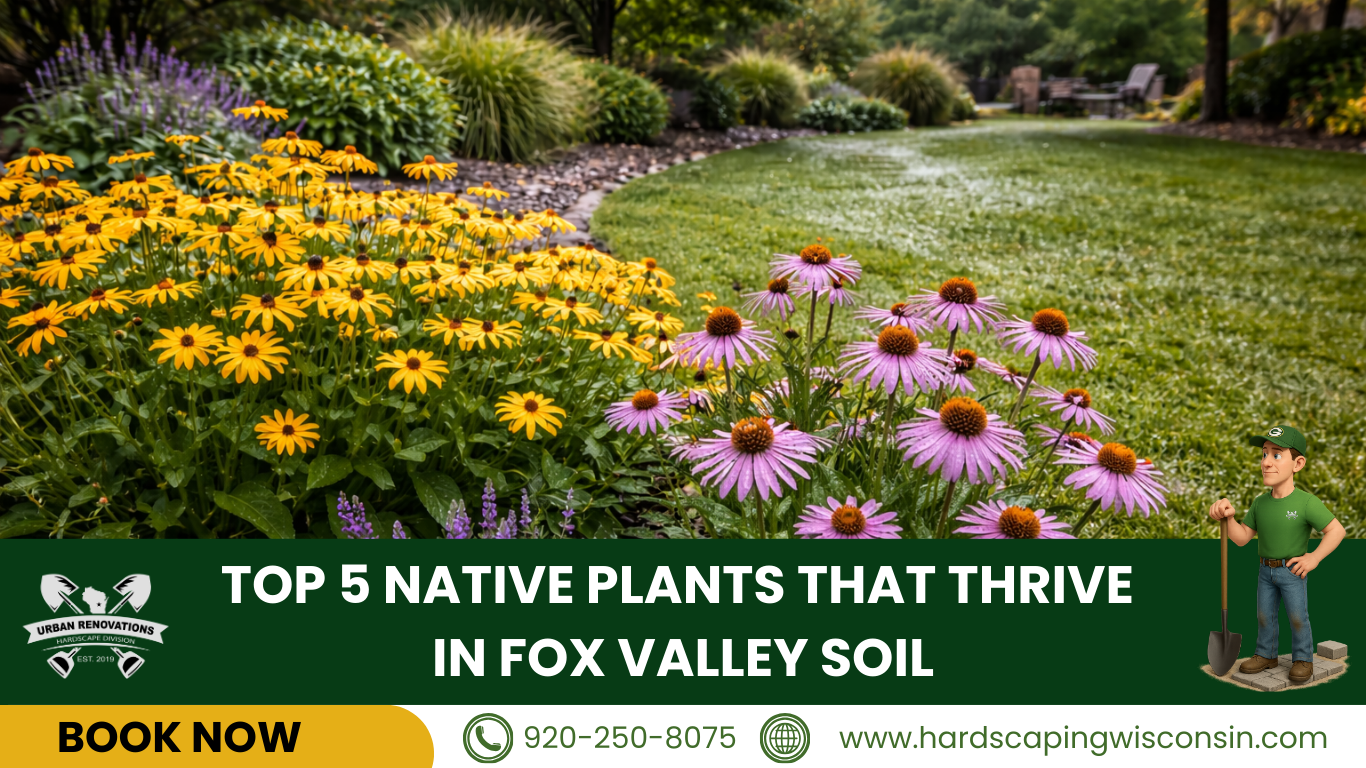
The Clay Busters: Top 5 Native Plants That Thrive in Fox Valley Soil

Peterson SEO • March 13, 2026 Urban Renovations | Appleton, WI | USA

Why Your Plants Keep Dying in Fox Valley Soil

Top 5 Native Plants That Thrive in Fox Valley Soil

You spend a Saturday at the garden center and walk out with a car full of flowering perennials. You follow every instruction on the tag. You dig proper holes, water consistently, and wait. Six weeks later, half of them are yellow and collapsing. You blame the heat, or the rain, or bad luck. The actual problem is almost always the same: Fox Valley red clay, and plants that were never built to survive in it.


This region sits on some of the densest, most water-retentive clay soil in Wisconsin. When it rains, that clay holds moisture against plant roots for days. When August arrives, it bakes into a surface that resists a shovel like concrete. Most nursery plants sold at big-box stores are bred for loamy, well-drained conditions and simply cannot handle these extremes. Stopping the cycle of replacement starts with understanding which plants were built for this specific environment from the ground up, and the good news is that all five of them are sitting on the shelves at your local Home Depot or Menards right now.

Which Native Plants Survive Heavy Fox Valley Clay and Wet Feet?

Five native plants consistently outperform everything else in Fox Valley clay conditions: Black-Eyed Susan, Purple Coneflower, Swamp Milkweed, Joe-Pye Weed, and Switchgrass. You have almost certainly seen all five of them before, whether growing wild in highway ditches, blooming in a neighbor's garden, or tagged on a shelf at the garden center. These are not obscure specialty plants that require a trip to a native plant nursery. They are widely available, commercially sold perennials that most people simply do not realize were evolved specifically for the heavy, wet, compacted soil conditions of the Midwest.


Their advantage over conventional nursery plants is biological. According to the UW-Madison Extension, Switchgrass is one of the main species of the North American tallgrass prairie and can be found in remnant prairies, roadside ditches, and even brackish marshes across Wisconsin, remaining upright throughout winter and providing year-round landscape interest. That same deep evolutionary relationship with our specific soil and climate conditions is shared by every plant on this list. They do not just tolerate Fox Valley clay. They have been growing in it for thousands of years.


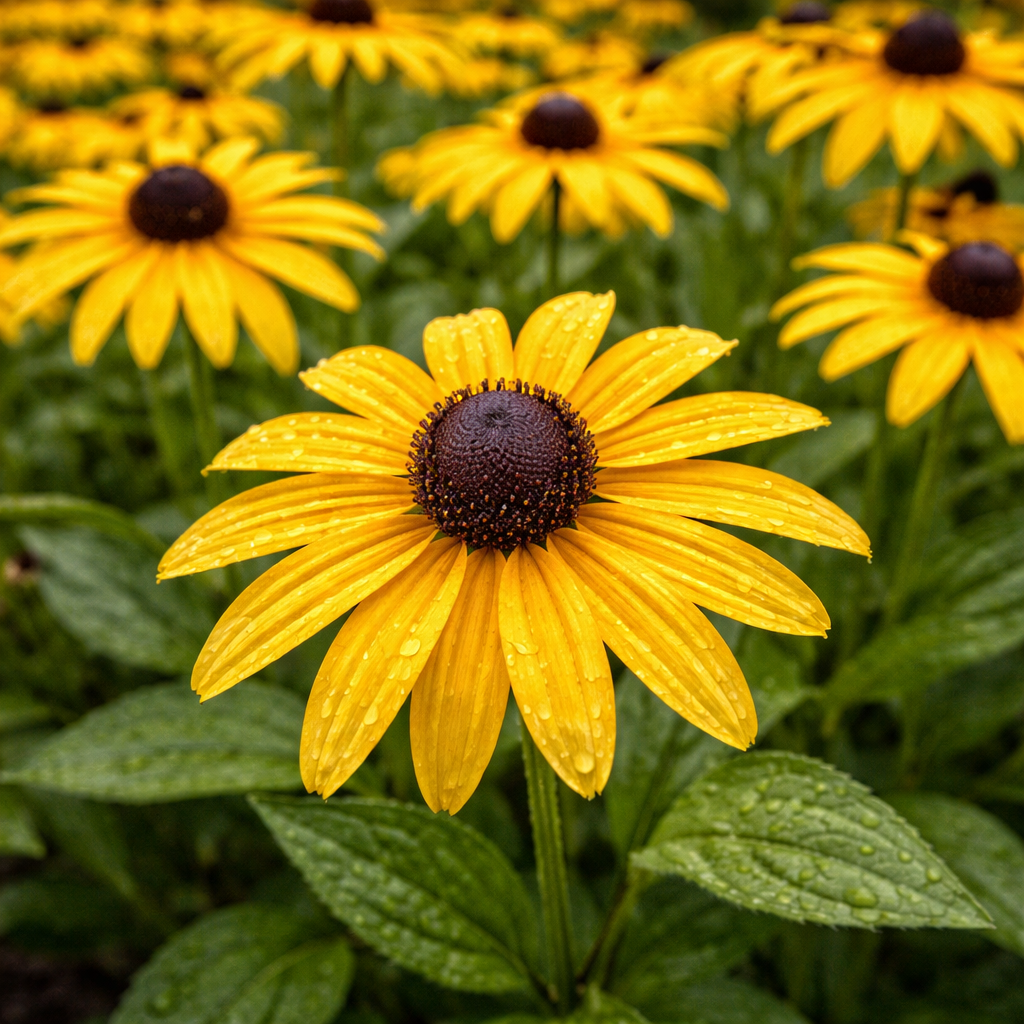
Clay Buster #1: Black-Eyed Susan (Rudbeckia hirta)

Black Eyed Susans

If there is one plant on this list you have definitely seen before, it is Black-Eyed Susan. The golden-yellow petals surrounding a dark brown center are as familiar as any wildflower in the country. They grow wild in every unmowed ditch along Highway 41 through the Fox Valley. They are one of the top-selling perennials at Home Depot and Menards every spring, tagged and potted and ready to go. Most homeowners have bought them at some point without realizing they were choosing a genuinely native, clay-adapted species rather than just a pretty yellow flower.


In Fox Valley soil, Black-Eyed Susan bridges the two extremes that kill conventional plants. During wet spring conditions it handles temporary flooding without rotting. During a dry August when the clay turns to cracked brick, its deep roots hold onto residual moisture that surface-rooted plants cannot reach. It blooms reliably from midsummer into early fall, self-seeds and spreads naturally over two to three seasons, and asks for almost nothing in return. Plant it in full sun in your most compacted garden bed and expect it to come back larger every year.
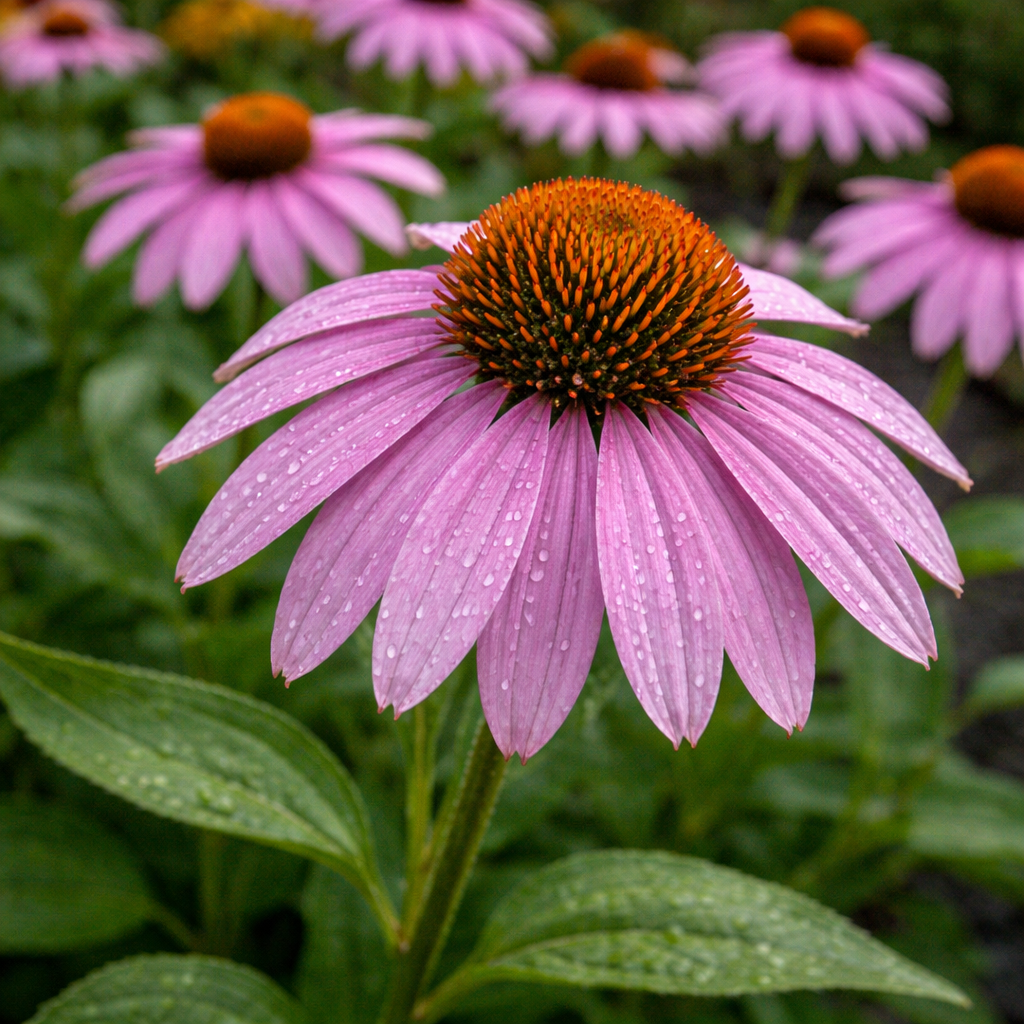
Clay Buster #2: Purple Coneflower (Echinacea purpurea)

purple cone flower

Purple Coneflower is one of the best-selling native perennials in the entire country. You will find it at every Home Depot, Menards, and Walmart garden center from May through July under its botanical name Echinacea, usually in quart or gallon pots for a few dollars each. It is the plant most people picture when they think of a native perennial garden, with large daisy-like purple blossoms on sturdy stems that bloom from midsummer through early fall and leave decorative seed heads that attract goldfinches through winter. Any experienced landscaping Appleton professional will tell you it belongs in nearly every sun garden in the Fox Valley, not just for its ornamental value but for what it does underground.


The central taproot is dense and deeply penetrating, working continuously to fracture clay layers that stop conventional perennials at two inches. Because the root reaches so far down, it accesses water reserves during August droughts that surface-rooting plants cannot reach, which is why it keeps flowering through heat waves that collapse everything planted beside it. Over several growing seasons the root cycles physically break down the surrounding clay profile, gradually converting dense compacted ground into something progressively softer and more workable for everything planted nearby.


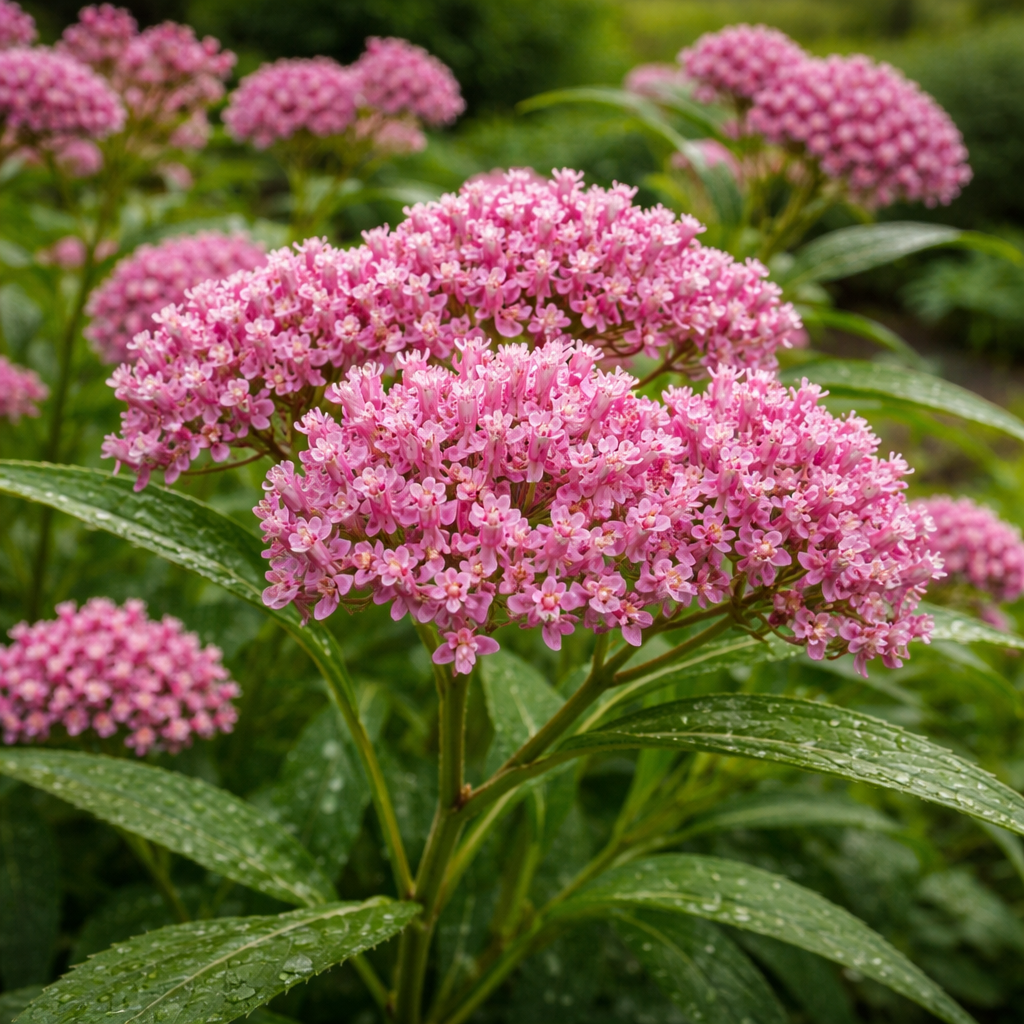
Clay Buster #3: Swamp Milkweed (Asclepias incarnata)

swamp milk weed

The name puts some people off, but Swamp Milkweed is a genuinely beautiful plant. It produces tight clusters of bright pink flowers from midsummer through early fall, carries a faint vanilla scent, and is one of the only host plants for Monarch butterfly caterpillars in the entire region. You can find it at Home Depot and most independent garden centers, often labeled as a rain garden plant or pollinator plant. The ornamental value is high enough that many people feature it as a focal point rather than tucking it away in wet corners.


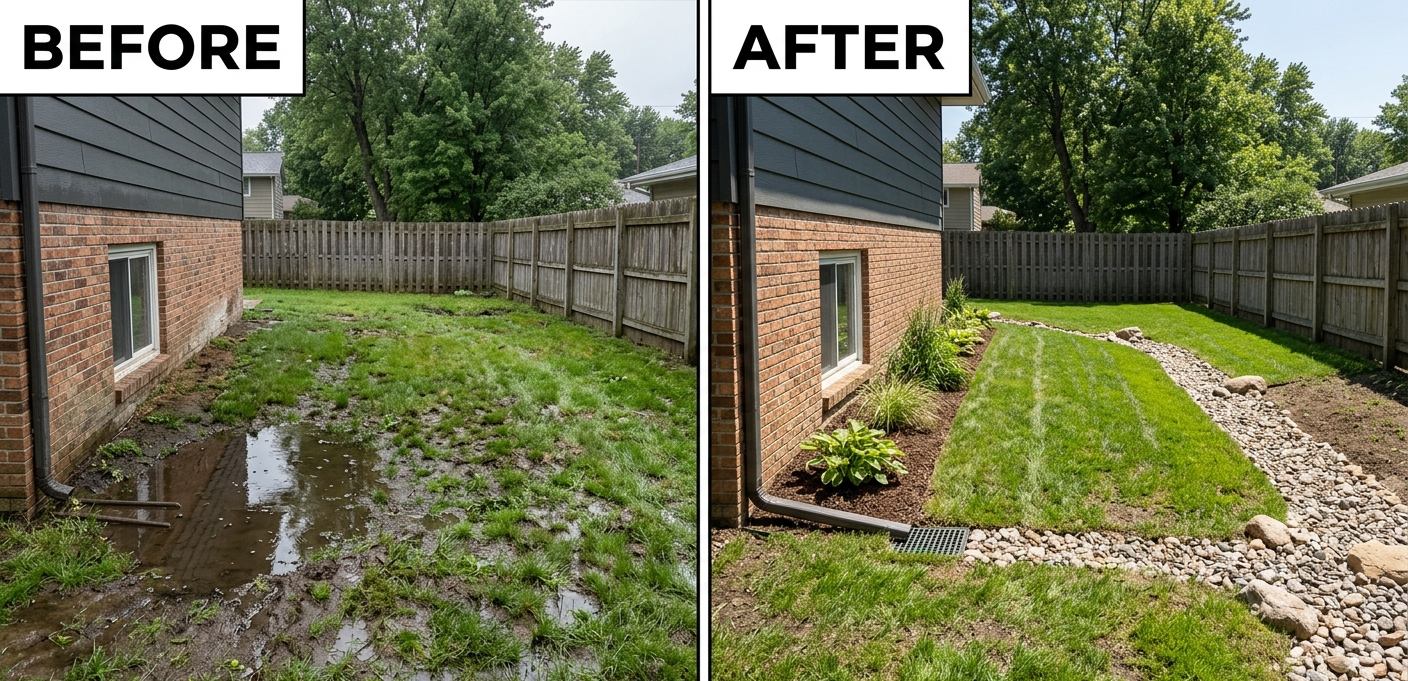
For Fox Valley clay, it is the single most effective plant for chronically wet low spots. Its thick fleshy taproot drills straight through compacted clay that would stop most plants in the first season, and it actively seeks out the wettest, most saturated areas of your yard to establish. That spot behind your downspout where puddles sit for three days after a storm is exactly where Swamp Milkweed wants to be. It is a cornerstone plant in any landscaping Appleton design that includes a rain garden component, and it requires almost no care once established beyond cutting back dead stalks in early spring.


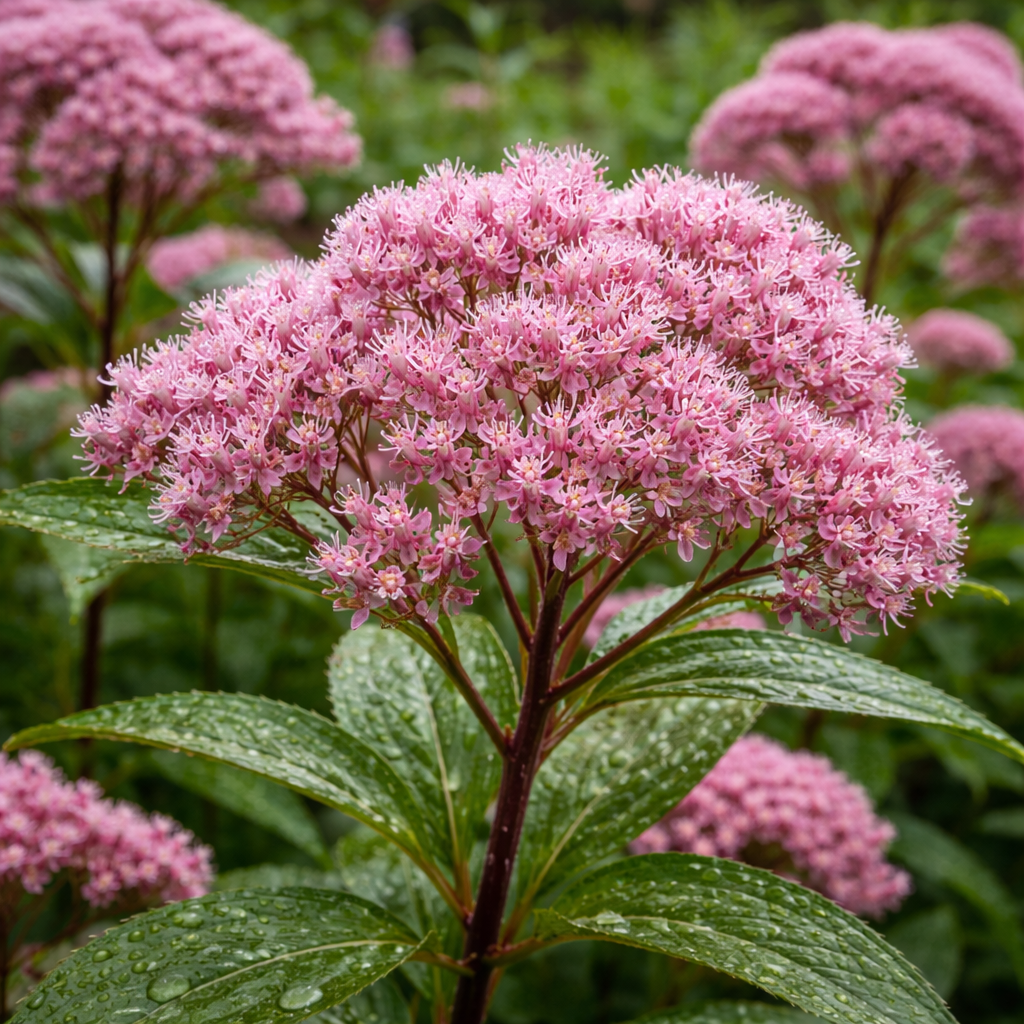
Clay Buster #4: Joe-Pye Weed (Eutrochium purpureum)

Joe Pye Weed

Joe-Pye Weed is less well known by name than the others on this list, but if you have ever seen a six-foot-tall plant covered in large fluffy mauve flower clusters in late summer, you have almost certainly seen Joe-Pye Weed. Home Depot sells a compact garden cultivar called Little Joe that stays around three feet tall, making it more manageable for typical suburban yards. The full-size species can reach six to eight feet and is excellent for large open areas, back borders, or screening along property lines. Whatever size you choose, the plants attract monarchs, swallowtails, and native bees in extraordinary numbers.


Its usefulness in Fox Valley clay comes from its thirst. Joe-Pye Weed drinks enormous volumes of water daily to support those towering stems, which makes it the most aggressive standing-water eliminator on this list. Place it in a perpetually boggy section near a downspout and it will dry out that area faster than any drainage pipe you could install. It goes completely dormant in winter, cutting back to the ground, and returns even larger the following spring without any division, supplemental feeding, or special care.


Clay Buster #5: Switchgrass (Panicum virgatum)

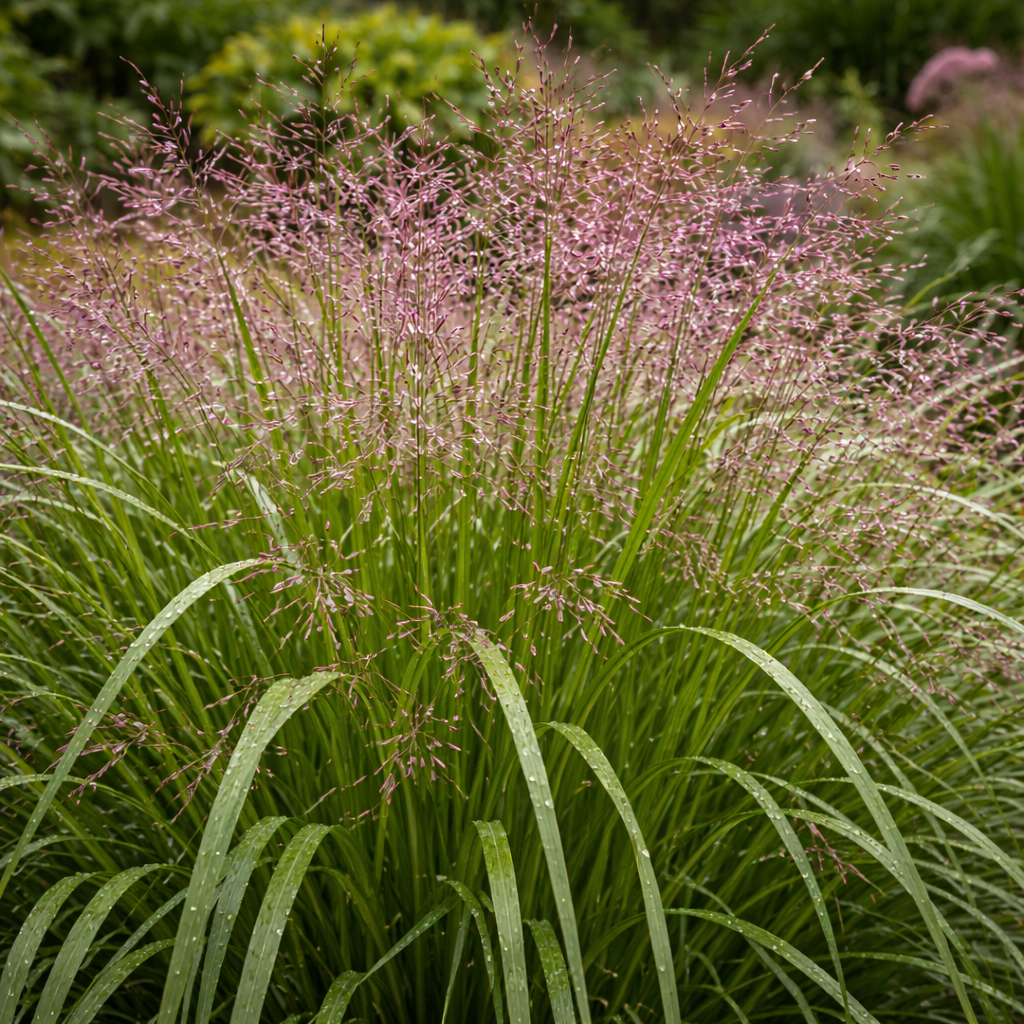
Morning dew on Switchgrass flowers

Switchgrass is sold at Home Depot, Menards, and garden centers throughout the Fox Valley under cultivar names like Shenandoah, Heavy Metal, and Prairie Fire. You may have bought it before as an ornamental grass without knowing its native credentials. It grows four to six feet tall with delicate airy seed heads that catch light and move in the afternoon breeze, then turns a warm golden tan in fall and holds that color and structure through heavy snow all winter. That winter presence is what sets it apart from nearly every other plant in this article. Most perennials disappear completely by November. Switchgrass makes your yard look intentional all year long.


Underground, it produces a dense fibrous root system that plunges several feet straight into solid clay and spreads laterally at multiple depths. After three or four growing seasons, the area immediately surrounding an established Switchgrass clump is measurably more porous and easier to work than untouched clay a few feet away. It is genuinely restructuring your soil from the inside while it grows, converting hard compacted ground into something progressively softer and more hospitable for everything planted around it.

Why These Plants Beat Expensive Soil Amendments

Every spring, hardware stores sell enormous pallets of peat moss, bagged compost, and soil conditioner to Fox Valley homeowners trying to fix their clay. The logic makes sense. If the soil is the problem, change the soil. The reality is that no practical volume of amendment changes the behavior of clay at the root level. You can work a full bag into the top eight inches of a bed and feel the improvement for a few weeks. Then the clay below reasserts itself, drainage reverts, and you are buying more bags next April.


These five plants take the opposite approach entirely. Instead of trying to convert the clay into something else, they use it as their native medium. Their roots do not fight compaction. They navigate through it, exploit it, and gradually restructure it from the inside over multiple seasons. The soil improvement is deeper, more permanent, and costs nothing beyond the initial planting. This philosophy, choosing materials that work with the existing environment rather than against it, also applies when you are deciding whether a yard problem needs a structural solution or a planting solution. Our article on the difference between hardscaping and landscaping explains exactly where each discipline applies, because some drainage problems require stone and grade, not plants. Knowing which category your yard falls into before you spend money is one of the most valuable things any outdoor professional can help you figure out.


Stop Replacing Plants That Were Never Built for Your Yard

The Fox Valley soil is not going to change. What changes is the plant selection, and that decision makes the difference between a yard that requires constant replacement and one that improves every season on its own. All five of these plants are sitting on shelves at garden centers near you right now. The expertise our team provides for landscaping Appleton properties is knowing exactly which of them belong in which part of your specific yard, how to combine them for year-round interest, and when a drainage problem is severe enough to need structural work before any planting begins.


Reach out today to schedule a consultation. We will walk your property, assess what your soil is doing, and design a planting plan built for the conditions you actually have. No more buying plants that were never going to make it. Just the right plants, in the right spots, doing exactly what Fox Valley soil has always been asking for.


About Urban Renovations

Urban Renovations is Central Wisconsin’s one stop team for hardscaping and landscaping, built around clean craftsmanship and a smooth experience from start to finish. They handle everything from paver patios, retaining walls, pergolas, and outdoor kitchens to grading, lawn installation, planting, and drainage that keeps your yard looking right and working right. Their 3D design process helps homeowners see the plan before work begins, so decisions feel confident and surprises stay off the jobsite. From the first conversation to the final walkthrough, their crew keeps communication clear, timelines realistic, and results built to last.


➡️ Learn More About Urban Renovations

Urban Renovations white inverted logo

Contact

Urban Renovations

Tyler Ebert

(920) 250-8075

www.hardscapingwisconsin.com

Ready to transform your outdoor space?

Trusted Local Team  • Design and Build  • Licensed and Insured • Year Round Service

From complete yard makeovers and hardscape installations to mowing and seasonal cleanups, we help Wisconsin homeowners get it done right. Call  920-250-8075 or submit the form below to get started.

Contact Us

Ready to Upgrade Your Outdoor Space?


If you are thinking about a new patio, retaining wall, pergola, or a fresh lawn install, our team is here to help you plan it right and build it to last. Reach out to Urban Renovations to talk through your goals, get expert guidance, and take the next step toward a clean, functional outdoor space you will enjoy for years.

Get Started Today!

Follow Us

Get A Free Quote Today!

he Hidden Force Destroying Fox Valley Retaining Walls
By Peterson SEO March 6, 2026
Discover why Fox Valley retaining walls bulge and collapse. Learn how trapped water builds pressure behind stone and what proper drainage does to stop it.
Why Fox Valley Patios Crack, Sink, and Fail
By Peterson SEO February 27, 2026
Fox Valley red clay destroys patios built without deep excavation. Learn why Appleton patios sink and what proper base preparation actually looks like.
Learn the exact difference between hardscaping and landscaping in Appleton.
By Peterson SEO February 20, 2026
Learn the exact difference between hardscaping and landscaping in Appleton. Discover how to plan your Fox Valley backyard with our complete local guide.
Frost Heave Prevention for Retaining Walls in Appleton, WI
By Peterson SEO February 11, 2026
Stop leaning retaining walls in Appleton. Learn drainage, base, and grading secrets from local pros to prevent frost heave and costly repairs.
Cost of a Paver Patio in the Fox Valley: 2026 Guide
By Peterson SEO February 4, 2026
See realistic paver patio costs in the Fox Valley. Learn why Appleton clay soil affects pricing and how to budget for a durable outdoor living space.
Heavy red clay soil common in Wisconsin backyards compared to a finished paver patio.
By Peterson SEO January 28, 2026
Learn the best pavers for Wisconsin clay soil. Compare permeable vs. standard pavers and find out how local pros build stable patios in the Fox Valley.
Patio Footing Depth in Wisconsin: A Homeowner’s Guide
By Peterson SEO January 22, 2026
Learn how deep patio footings should be in Wisconsin to prevent frost heave. See why code requires 48 inches for supports and how pros build stable patios