

Urban Renovations Blog
Best Pavers for Wisconsin Clay Soil: A Homeowner's Guide
Peterson SEO • January 28, 2026 Urban Renovations | Appleton, WI | USA
The Clay Battle in Your Backyard
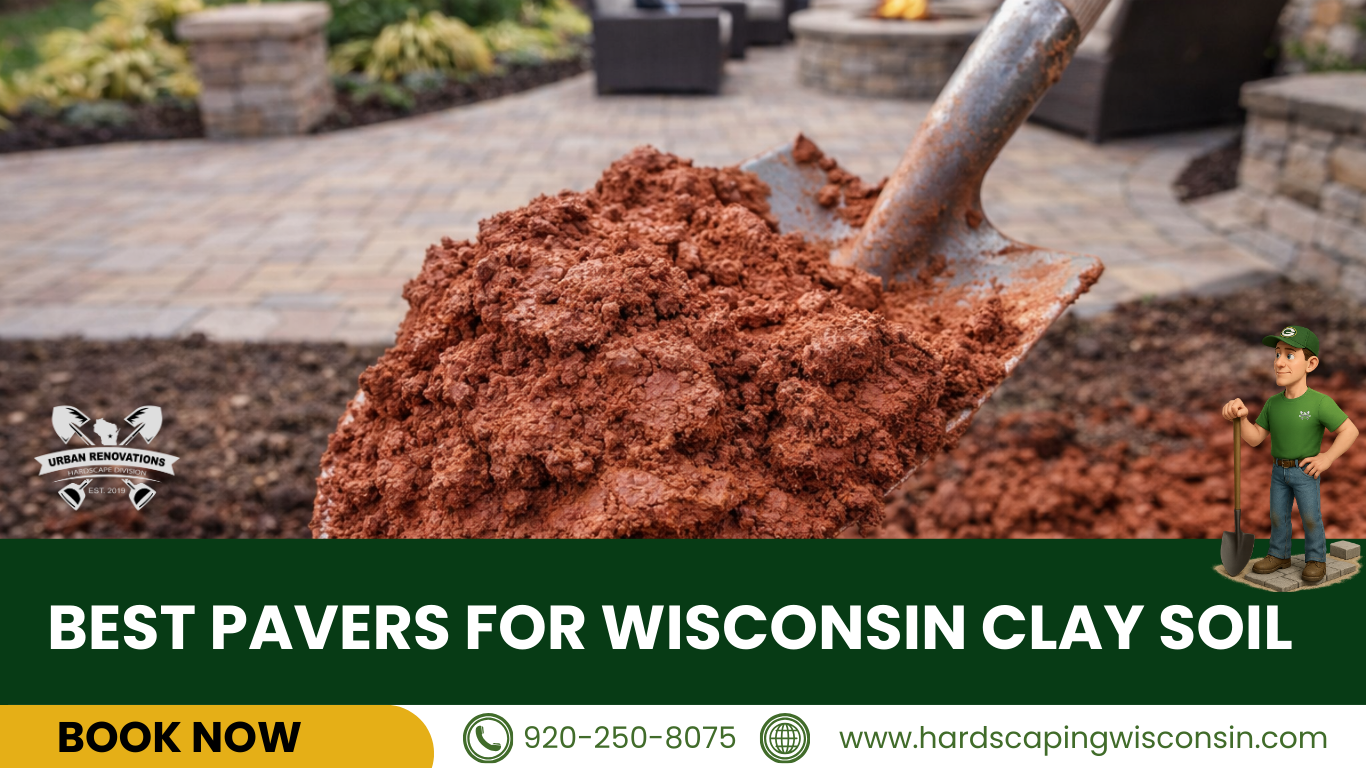
If you have clay soil in Wisconsin, you already know the feeling. You dig a little hole for a plant, and the dirt is sticky and heavy. Then, a few days later, it dries out and turns hard like a brick. Then spring shows up, and the whole yard feels soft and spongy again. Clay does not act the same way twice, and that is exactly why outdoor projects can feel tricky in the Fox Valley.
A lot of people blame the stone when a patio shifts or heaves. They see a raised edge or a low spot and assume the paver was the problem. Most of the time, the soil and water underneath were the real troublemakers. Clay holds water longer, swells when it gets wet, and shrinks when it dries. Add our freeze and thaw cycles on top of that, and you get a recipe for movement unless the patio is built with a specific plan.
This is where choosing the right system matters. It is not just about the paver style or color, but the whole system that sits under it. Standard pavers can work great on clay soil when the base and drainage are done right. Permeable pavers can also work, but they need the right design so water does not get trapped where you do not want it. If you live in Wisconsin, the best choice is the one that matches your soil drainage and how you actually use the space.
What Are the Best Pavers for Wisconsin Clay Soil? The Short Answer
The best pavers for Wisconsin clay soil are durable, interlocking concrete pavers that meet ASTM C936 standards for freeze-thaw resistance, installed over a base specifically engineered for poor drainage. In the Fox Valley, where clay soil holds water and is prone to significant frost heave, the "best" option is less about the stone itself and more about the foundation. Standard concrete pavers are an excellent choice when installed over a dense-graded, compacted aggregate base that slopes to shed water away from the patio surface.
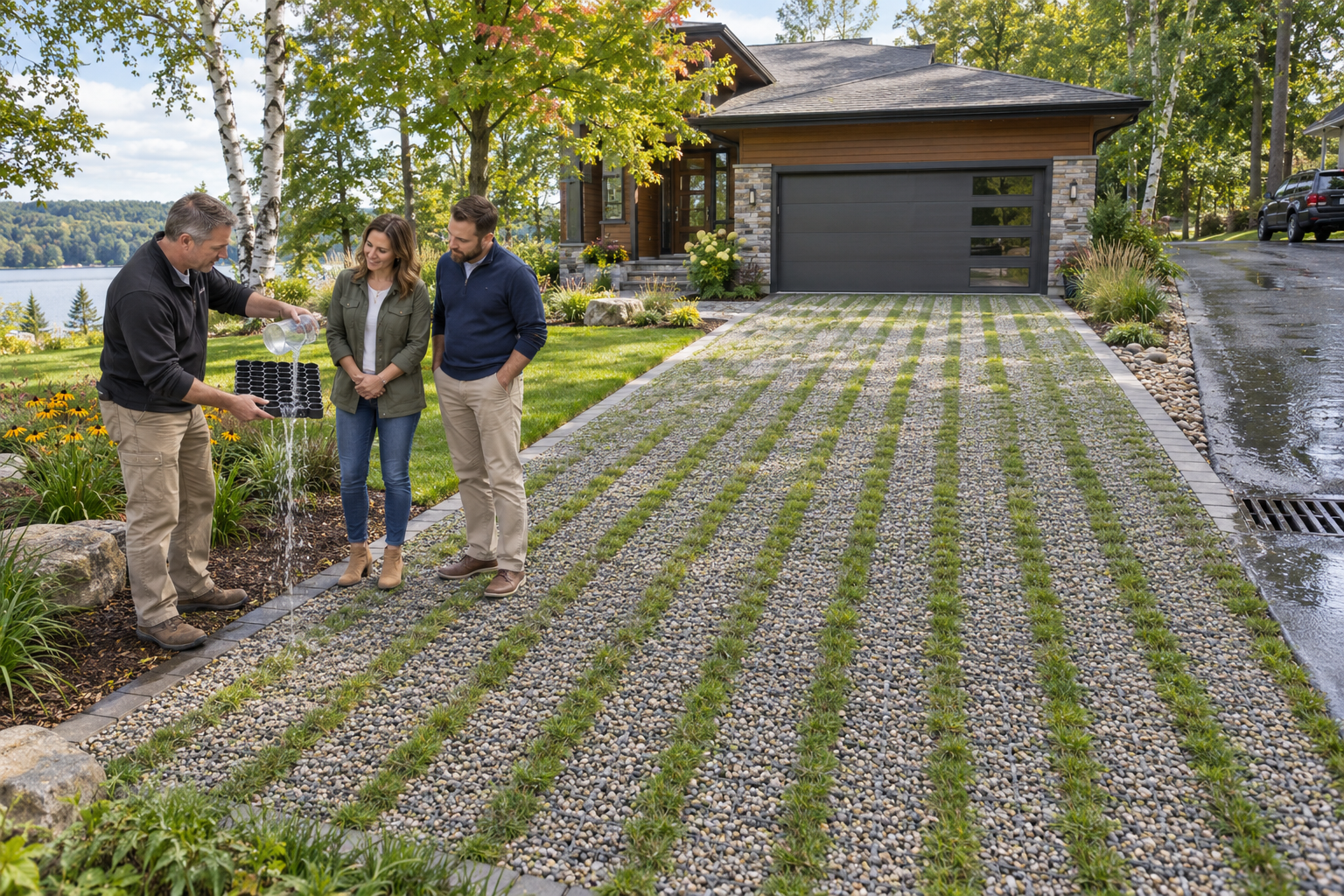
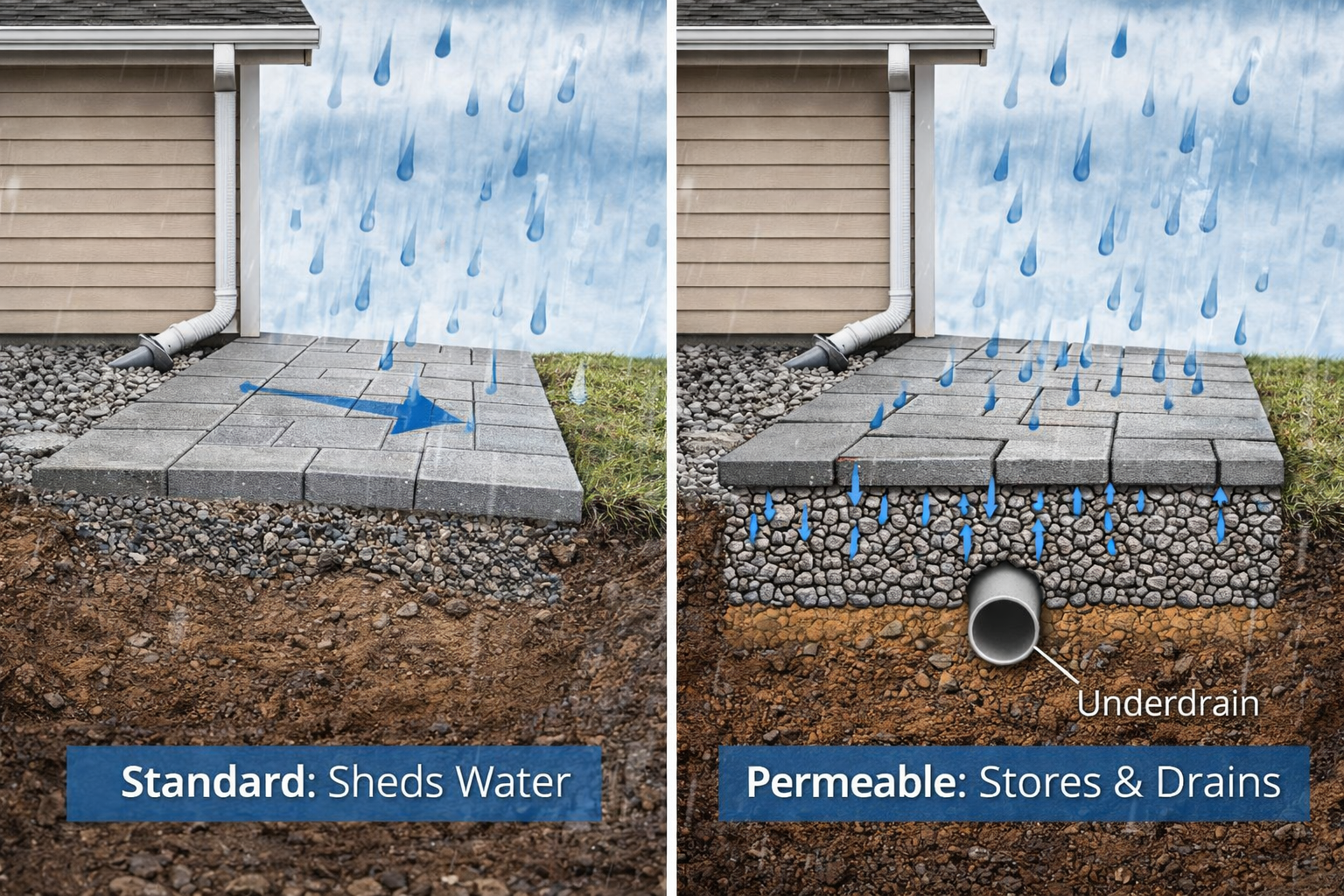
Alternatively, permeable interlocking concrete pavers (PICP) are increasingly popular for managing stormwater, but they require specific design adjustments for clay. Because clay acts like a barrier to infiltration, permeable systems in Appleton often require a deeper open-graded stone reservoir and the installation of perforated underdrains. These drains remove excess water preventing it from freezing and lifting the pavement. According to
ICPI technical specifications, these drainage measures are essential when working with low-infiltration soils to ensure longevity. Ultimately, the right choice depends on whether your property needs to shed water (standard) or manage runoff (permeable).
The Verdict: It’s Not the Stone, It’s the System
The best pavers for Wisconsin clay soil are not about finding one "magic" stone. They are about choosing a paver system that manages water and resists frost movement. In the Fox Valley, standard concrete pavers can be an excellent choice when they meet freeze-thaw durability standards and sit on a properly compacted crushed stone base that drains well.
Permeable pavers can also be a great choice, but they require extra care because clay soil has low natural infiltration. Permeable systems often need a thicker stone reservoir and an underdrain to move water out instead of letting it sit on top of slow-draining clay. The US EPA notes that clay soils can require greater subbase depth for permeable pavements and that underdrains can help when natural infiltration is limited (see EPA Green Infrastructure: Permeable Pavement).
The right choice comes down to your yard’s drainage patterns, the slope, and whether you want to reduce runoff or simply want a stable surface. In other words, both options can work. The winner is the one installed the right way for your property. Clay soil is not a deal-breaker for hardscaping Appleton projects. It just means you have to build smarter, not faster.
A Tale of Two Spring Thaws
Here is a very local example of how this plays out. One homeowner wants a patio that stays clean and dry, so they pick permeable pavers because they heard it helps with puddles. The patio looks amazing in July. Then spring melt arrives, the ground stays frozen deep down, and the clay underneath is slow to absorb the melting snow. The patio joints start holding water longer than expected. Nothing is "wrong" with the pavers, but the system needs a place for water to go. When there is no underdrain or outlet plan, the patio stays damp, and that extra moisture can cause issues when the temperature drops again at night.
Now flip the scenario. Another homeowner chooses standard pavers but focuses intensely on the slope and the way downspouts move water. Their paver patio builders Appleton team installs a thick, compacted base that sheds water away from the house. Their patio stays firm because water is not pooling in the base. They might see a little seasonal change in joint sand, but the surface stays level and safe.
Both homeowners made a reasonable choice, but the difference was the plan underneath. In
hardscaping Appleton and the surrounding areas, the best patios are the ones that act like good boots. They keep water moving away, they stay steady in rough weather, and they do not fall apart just because spring is messy.
Why Wisconsin Clay is a Bully
Clay soil holds water, and it holds it for a long time. That matters because water changes how soil behaves. When clay is wet, it expands and becomes softer. When clay dries, it shrinks. Those changes happen even without winter. When you add Wisconsin winters, you get freeze and thaw cycles that lift and settle the ground unevenly.
Clay also drains slowly. That sounds like a small detail, but it is huge for patio paver contractors Appleton residents hire. If water cannot move down and away, it will sit in the base or along the edges. When that water freezes, it expands. When it thaws, it leaves small voids. Over time, those voids turn into settling spots. The patio does not fail all at once. It slowly loses that perfect flat feel.
This is why the best patio plan for clay soil focuses on two things. First, give water a controlled path so it does not linger under the patio. Second, build a base that stays strong even when the soil below it is not perfect. Good hardscaping Appleton projects on clay are not fragile; they are prepared.
(Note: While we are discussing surface stability here, remember that heavy structures need deeper support. Check out our guide on How Deep Should Patio Footings Be in Appleton, WI? to understand when you need 48-inch footings versus a patio base.)
Option 1: Standard Pavers (The Water Shedders)
Standard concrete pavers are a strong choice for the Fox Valley when you choose quality units and build the base correctly. In simple terms, the pavers themselves should be made to handle freeze and thaw and de-icing conditions. ASTM International sets specific standards for interlocking concrete pavers, known as ASTM C936, which includes durability testing related to freezing, thawing, and de-icing salts (see ASTM C936 Standard Abstract). That matters here because winter maintenance is real life, not a rare event.
The bigger story, though, is the base. Standard pavers rely on a compacted crushed stone base that spreads load and drains water. On clay, you want that base to be well-compacted in layers and thick enough for your soil conditions. If the yard is wet, the base and drainage details matter even more. Many problems blamed on "bad pavers" are really base problems.
If you are working with paver patio builders Appleton locals trust, a good one will talk more about excavation depth and base material than about the paver brand. That is not because pavers do not matter. It is because the base is what decides whether the pavers stay where you put them.
Option 2: Permeable Pavers (The Water Managers)
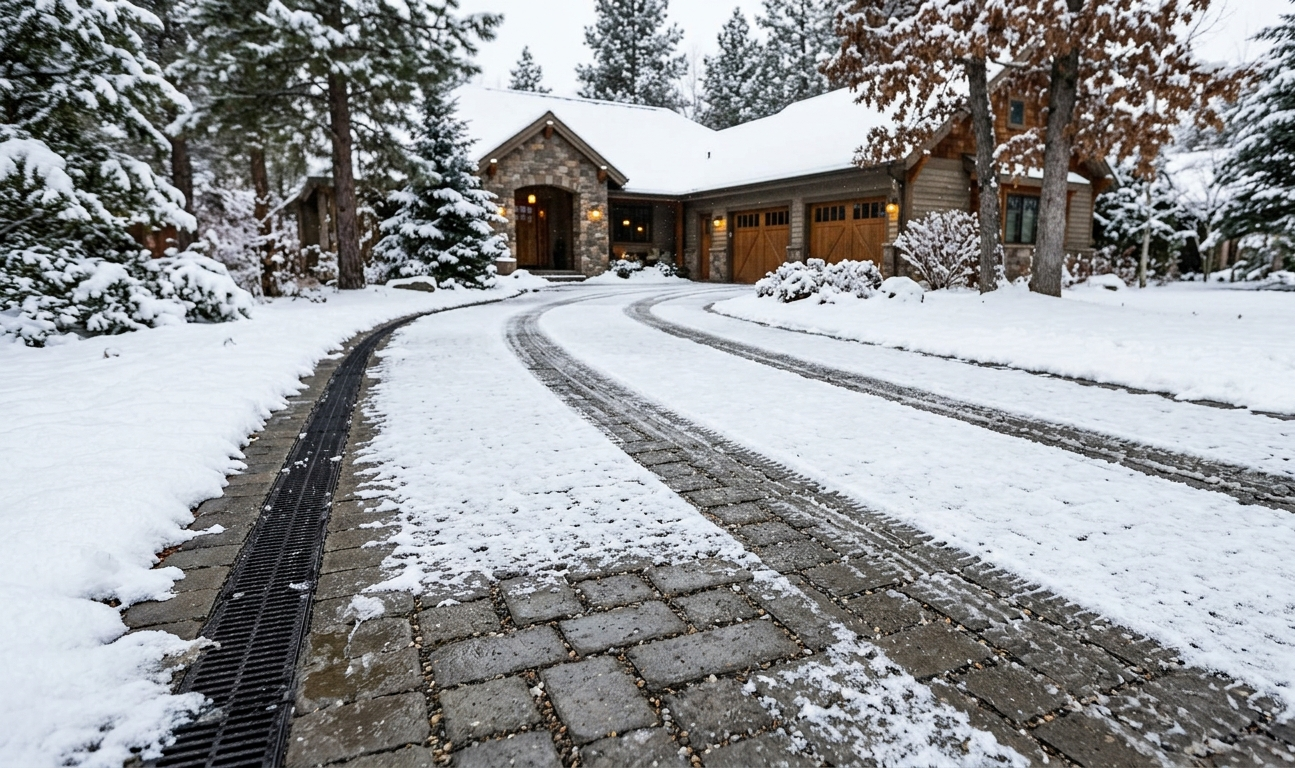
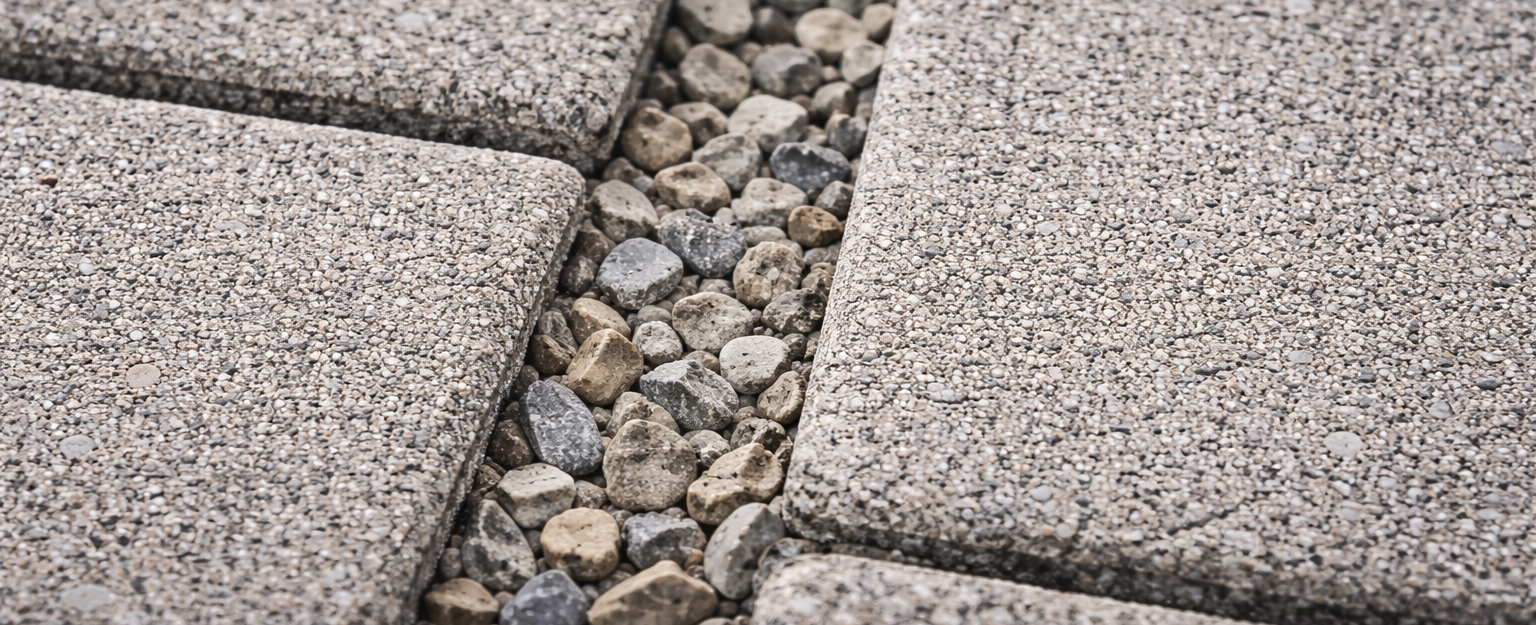
Permeable pavers are often described as pavers that "let water through," but the real magic is in the joints and the stone layers below. Water moves through the joint openings and into an open-graded stone base that stores and releases water. In sandy soil, some of that water can infiltrate into the ground. In clay soil, infiltration is slower, so the system often needs to store more water and move it out through an underdrain.
This is where clay soil changes the design. As mentioned earlier, clay soils have low infiltration. That means permeable pavers can work in Wisconsin, but they should be designed like a system, not treated like a simple swap of paver type.
Permeable can be a great fit when you want to reduce runoff, manage puddles, and keep water from flowing toward the house. It is often a preferred choice for eco-conscious hardscaping Appleton designs. The key is making sure water has an exit plan. In clay soil, "let it soak in" is not always realistic. "Let it drain where we want it" is usually the better goal.
The Showdown: Which System Wins?
If your main goal is a stable patio that stays level through Wisconsin seasons, standard pavers with excellent base prep and drainage control are often the most straightforward option. They work well on clay because you are not relying on the clay to absorb water quickly. You are directing water away using slope and proper patio paver contractors Appleton techniques.
If your main goal is stormwater management, fewer puddles, and less runoff, permeable pavers can be a smart choice even on clay. You just have to build them with clay in mind. That often means a thicker stone reservoir and possibly an underdrain. Permeable systems also require maintenance to keep the joints infiltrating well.
A friendly way to think about it is this: Standard pavers are like a roof. They shed water and send it away. Permeable pavers are like a rain barrel system. They catch and store, then release slowly. On clay, both can work. You just do not want a rain barrel with no overflow.
How to Choose Pavers That Survive Winter
When you shop for pavers, ask what standard the product meets. Even the best paver patio builders Appleton has to offer cannot fix a stone that crumbles. Look for pavers that meet ASTM C936 standards for durability.
Also, think about texture and traction. Smooth surfaces can look modern, but they can be slick with frost. Textured finishes can help grip. Color can matter too, not for strength, but for appearance. Lighter colors show stains less from winter grit, while darker colors show salt residue more.
If you want the patio to feel "quiet" underfoot, consider paver thickness and edge restraint. Thicker pavers are common for heavier uses, and solid edge restraint keeps the patio from slowly spreading. On clay soil, movement often starts at edges. A good edge is not optional; it is part of the structure.
The Verdict: It’s Not the Stone, It’s the System
The best pavers for Wisconsin clay soil are not about finding one "magic" stone. They are about choosing a paver system that manages water and resists frost movement. In the Fox Valley, standard concrete pavers can be an excellent choice when they meet freeze-thaw durability standards and sit on a properly compacted crushed stone base that drains well.
Permeable pavers can also be a great choice, but they require extra care because clay soil has low natural infiltration. Permeable systems often need a thicker stone reservoir and an underdrain to move water out instead of letting it sit on top of slow-draining clay. The US EPA notes that clay soils can require greater subbase depth for permeable pavements and that underdrains can help when natural infiltration is limited (see EPA Green Infrastructure: Permeable Pavement).
The right choice comes down to your yard’s drainage patterns, the slope, and whether you want to reduce runoff or simply want a stable surface. In other words, both options can work. The winner is the one installed the right way for your property. Clay soil is not a deal-breaker for hardscaping Appleton projects. It just means you have to build smarter, not faster.
A Tale of Two Spring Thaws
Here is a very local example of how this plays out. One homeowner wants a patio that stays clean and dry, so they pick permeable pavers because they heard it helps with puddles. The patio looks amazing in July. Then spring melt arrives, the ground stays frozen deep down, and the clay underneath is slow to absorb the melting snow. The patio joints start holding water longer than expected. Nothing is "wrong" with the pavers, but the system needs a place for water to go. When there is no underdrain or outlet plan, the patio stays damp, and that extra moisture can cause issues when the temperature drops again at night.
Now flip the scenario. Another homeowner chooses standard pavers but focuses intensely on the slope and the way downspouts move water. Their paver patio builders Appleton team installs a thick, compacted base that sheds water away from the house. Their patio stays firm because water is not pooling in the base. They might see a little seasonal change in joint sand, but the surface stays level and safe.
Both homeowners made a reasonable choice, but the difference was the plan underneath. In
hardscaping Appleton and the surrounding areas, the best patios are the ones that act like good boots. They keep water moving away, they stay steady in rough weather, and they do not fall apart just because spring is messy.
The Base: The Real Hero
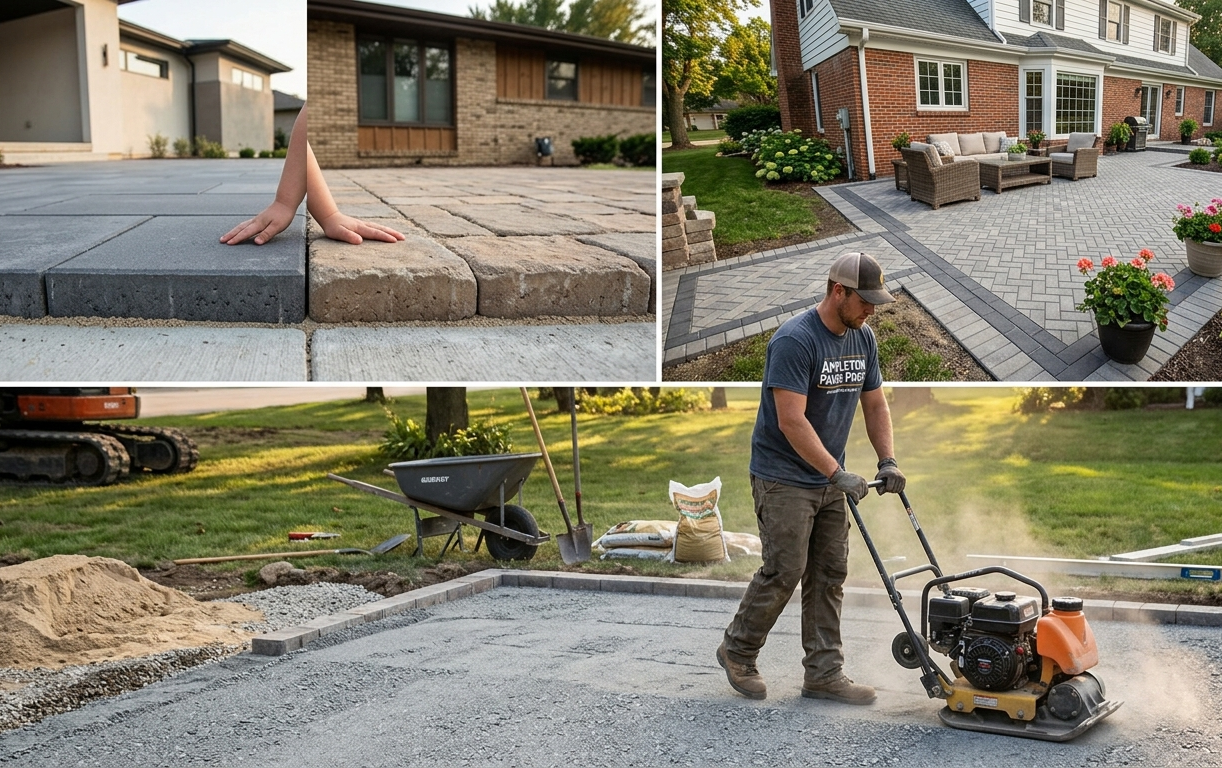
The most important decision is what happens under the pavers. Clay soil means you want to remove organic topsoil, excavate to the right depth, and use a proper crushed stone base. You want compaction in layers, not all at once. You want a base that drains, not a base that holds water like a bowl.
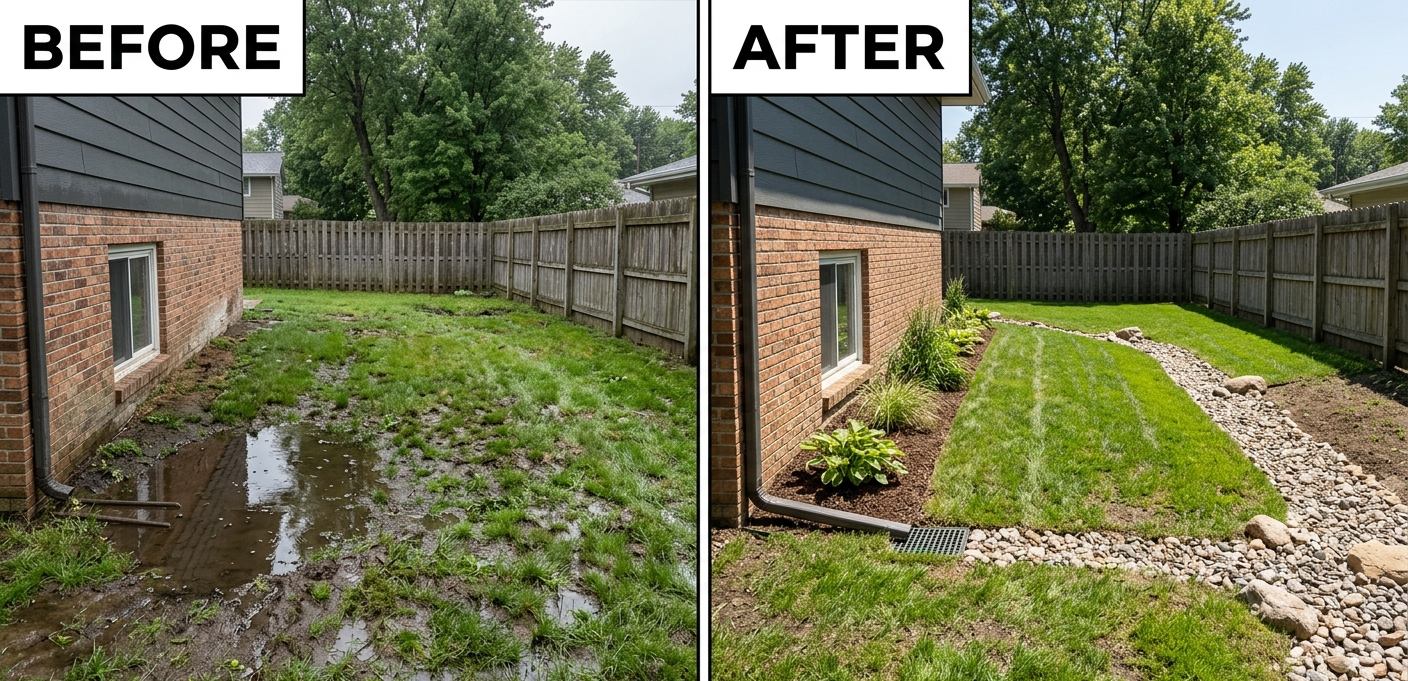
You also want to look at water sources. Downspouts, sump discharge, and driveway runoff can dump water right where the patio base sits. That can keep the base wet longer and make freeze and thaw issues worse. This is why good patio paver contractors Appleton ask about drainage early. They are not being picky. They are preventing a future problem.
Permeable systems add one more layer of planning. Because water is meant to enter the system, you need a stone reservoir sized for the water you expect. ICPI (Interlocking Concrete Pavement Institute) tech notes discuss underdrains as a tool to facilitate water removal when installed over low infiltration soils. Clay fits that description perfectly (see CMHA Tech Note 18: Permeable Construction).
Questions to Ask Your Contractor
Before you hire a team for your hardscaping Appleton project, ask how they handle clay specifically. A strong answer includes base depth, compaction method, and drainage plan. If the answer focuses only on the paver brand or pattern, that is not enough.
Ask whether they recommend standard or permeable for your yard and why. A good contractor will talk about slope, downspouts, puddle zones, and how water moves during spring melt. They should be able to explain the trade-off between shedding water away versus storing and releasing it.
Finally, ask how they will prevent edge movement. In the Fox Valley, the edge is often where patios start to drift. Solid edge restraint and proper compaction keep that from happening.
Frequently Asked Questions
Are permeable pavers a bad idea on clay soil in Wisconsin?
Permeable pavers are not a bad idea on clay soil, but they do require the right design. Clay soil has low natural infiltration, which means water does not soak into the ground quickly. In a permeable system, water enters through the joints and then sits in a stone layer below until it can infiltrate or drain away. On clay, that storage layer often needs to be deeper. The EPA explains that clay soils often need greater subbase depth for permeable pavements and that underdrains can help increase drainage when infiltration is limited.
What paver material is best for freeze and thaw in Wisconsin?
For most patios in Wisconsin, quality concrete pavers made to recognized durability standards are a strong choice. Concrete pavers are commonly manufactured to meet specifications designed for strength and durability in outdoor conditions. There are ASTM standards that address freeze and thaw resistance and de-icing salt durability. Those standards exist because climates like ours put real stress on paving materials. If you are working with patio paver contractors Appleton trusts, they should be using products that meet these rigorous standards.
Do standard pavers trap water and make clay soil problems worse?
Standard pavers do not necessarily trap water, but they do shed water across the surface instead of letting it pass down through the joints. On clay soil, that can actually be helpful because you are not relying on the clay to absorb water quickly. Instead, you direct water away using slope and drainage design. Problems happen when water is allowed to pond near the patio. The fix is improving drainage and making sure the base is built to shed water away from the home.
How do I maintain permeable pavers in winter?
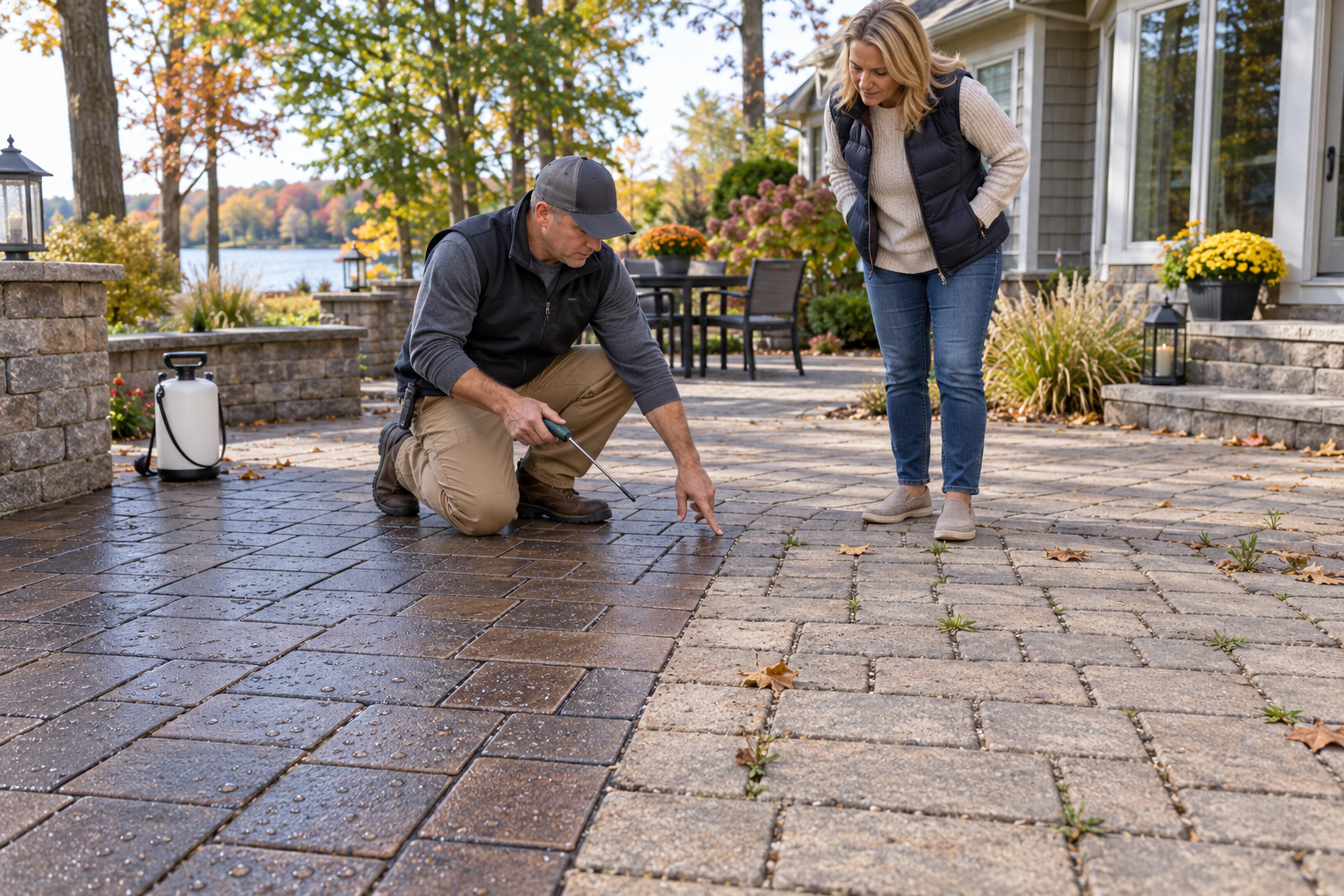
Permeable pavers stay functional when the joints stay open. Over time, fine debris can collect in the joint spaces, especially in areas with winter sand or leaf litter. Maintenance usually includes regular sweeping and occasional vacuuming to remove debris so water can still flow. In winter, use tools that do not gouge the surface and avoid pushing piles of dirty snow onto the patio where debris can wash into joints later. A quick spring cleanup helps keep the system working for years.
Can I install pavers myself on clay soil?
DIY paver installation is possible, but clay soil makes it significantly harder. The excavation is heavier, and the compaction requirements are strict. If you do not compact the base correctly in layers, the clay underneath will eventually cause the patio to settle or wave. Most paver patio builders Appleton homeowners hire have heavy-duty compactors and laser levels to ensure the slope is perfect. If you do it yourself, do not skimp on the base equipment or the drainage planning.
Need Help Taming the Mud?
If you are planning a patio and dealing with heavy Wisconsin clay, you do not have to guess your way through it. A quick site visit from our Urban Renovations team can tell you whether standard pavers with strong drainage control make the most sense, or whether a permeable system is a better fit.
Contact Us Today for a Site Evaluation
About Urban Renovations
Urban Renovations is Central Wisconsin’s one stop team for hardscaping and landscaping, built around clean craftsmanship and a smooth experience from start to finish. They handle everything from paver patios, retaining walls, pergolas, and outdoor kitchens to grading, lawn installation, planting, and drainage that keeps your yard looking right and working right. Their 3D design process helps homeowners see the plan before work begins, so decisions feel confident and surprises stay off the jobsite. From the first conversation to the final walkthrough, their crew keeps communication clear, timelines realistic, and results built to last.

Ready to transform your outdoor space?
Trusted Local Team • Design and Build • Licensed and Insured • Year Round Service
From complete yard makeovers and hardscape installations to mowing and seasonal cleanups, we help Wisconsin homeowners get it done right. Call 920-250-8075 or submit the form below to get started.
Contact Us
Ready to Upgrade Your Outdoor Space?
If you are thinking about a new patio, retaining wall, pergola, or a fresh lawn install, our team is here to help you plan it right and build it to last. Reach out to Urban Renovations to talk through your goals, get expert guidance, and take the next step toward a clean, functional outdoor space you will enjoy for years.
Follow Us
Get A Free Quote Today!