

Urban Renovations Blog
How Deep Should Patio Footings Be in Appleton, WI?
Peterson SEO • January 22, 2026 Urban Renovations | Appleton, WI | USA
The Invisible Force Under Your Backyard
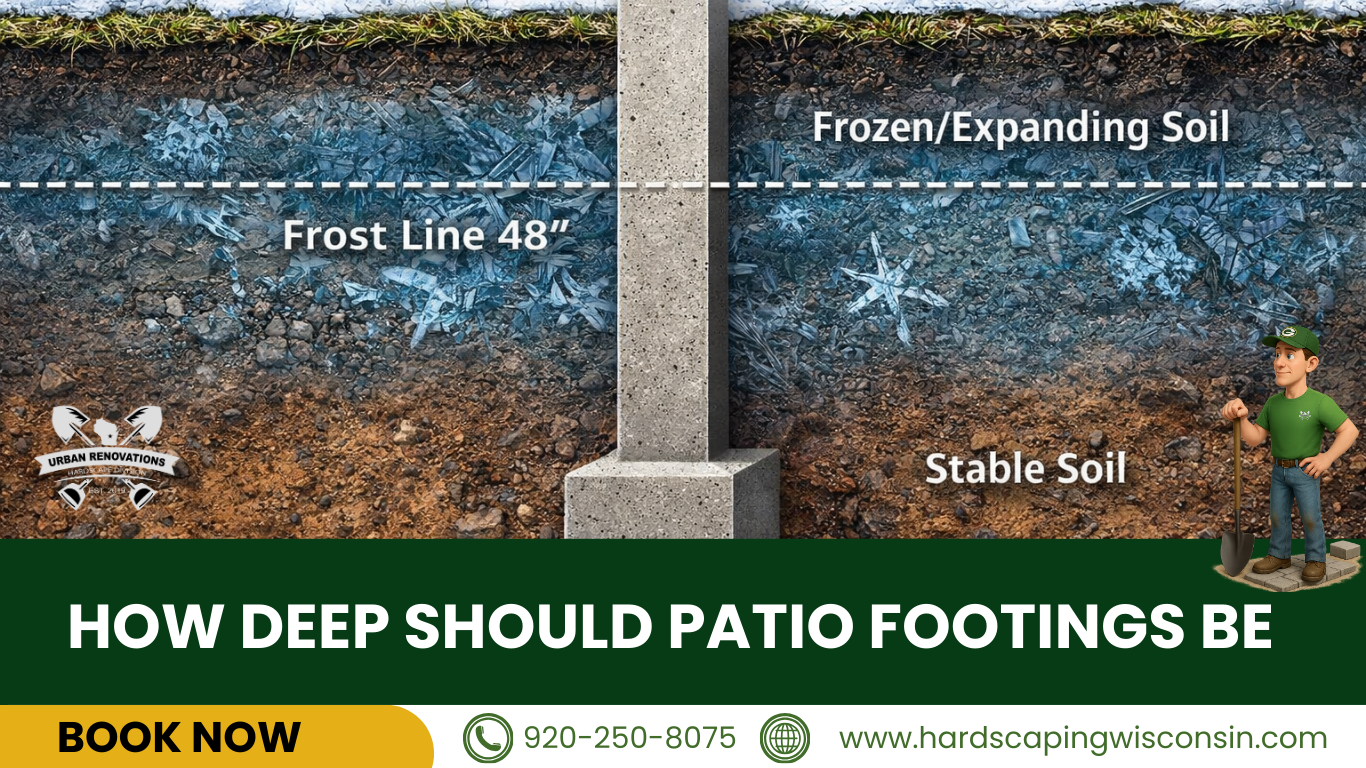
In Wisconsin, winter is not just a season that requires a heavy coat. It is a powerful geological force that quietly pushes, pulls, and expands the ground beneath our feet. One year a backyard patio looks perfect, and the next year you notice a corner that feels slightly higher, or a paver that rocks annoyingly when you step on it with your morning coffee. It can feel confusing because nothing “broke” in a single moment. Frost movement is sneaky like that, and it is one of the biggest reasons outdoor projects shift in our cold climate.
If you are planning a new outdoor living space or looking to fix an old one, asking about footing depth is the smartest place to start. However, it is also one of the most misunderstood parts of hardscaping Appleton and Fox Valley projects. Patios are not always built like decks or house foundations. Some parts of a patio project rely on deep concrete footings, while the patio surface itself often relies on a flexible, properly built aggregate base.
The best answer depends entirely on what you are building, what is supporting weight, and what the unique soil conditions are like in your specific neighborhood. Once you understand how the freeze-thaw cycle works in Northeast Wisconsin, choosing the right depth becomes a lot easier.
How Deep Should Footings Be? The Short Answer: 48 Inches
In Wisconsin, patio footings that support structures or load-bearing elements should typically be set at least 48 inches below grade. This is because Wisconsin’s Uniform Dwelling Code (SPS 321.16) requires footings and foundations to be placed below the frost penetration level or at least 4 feet (48 inches), whichever is deeper. That frost depth rule is critical when you are building anything that must not move, such as deck posts, roofed patio posts, pergola pillars, stair landings, or heavy masonry features that act like a small foundation.
When frost freezes the soil in the Fox Valley, the moisture inside the ground expands. This expansion creates an incredible amount of upward pressure known as "frost heave." If a concrete footing is too shallow, the freezing soil grabs it and lifts it. When the ground thaws in spring, the soil settles, but the concrete rarely drops back into its perfect original position. That repeated up-and-down motion is what cracks concrete, tilts heavy posts, and creates long-term settling issues.
However, it is vital to understand the difference between a footing and a base. For most standard paver patio builders Appleton residents hire, the actual paver surface does not sit on 48-inch deep concrete footings everywhere. Instead, the pavers sit on a well-compacted gravel base designed to "float" and handle freeze-thaw cycles without cracking. The deep 48-inch footings come into play specifically when part of the patio project carries a structural load or needs to resist wind uplift.
If you remember one simple rule, let it be this: Anything holding up a roof or heavy structure should respect the 48-inch frost depth. Anything that is a flat paver surface needs the right base depth and compaction. Mixing those two ideas is where many patio paver contractors Appleton homeowners hire can go wrong if they aren't experienced. When you match the build method to the specific job, you get a patio that stays flat, drains well, and feels solid year after year.
A Tale of Two Patios: A Local Scenario
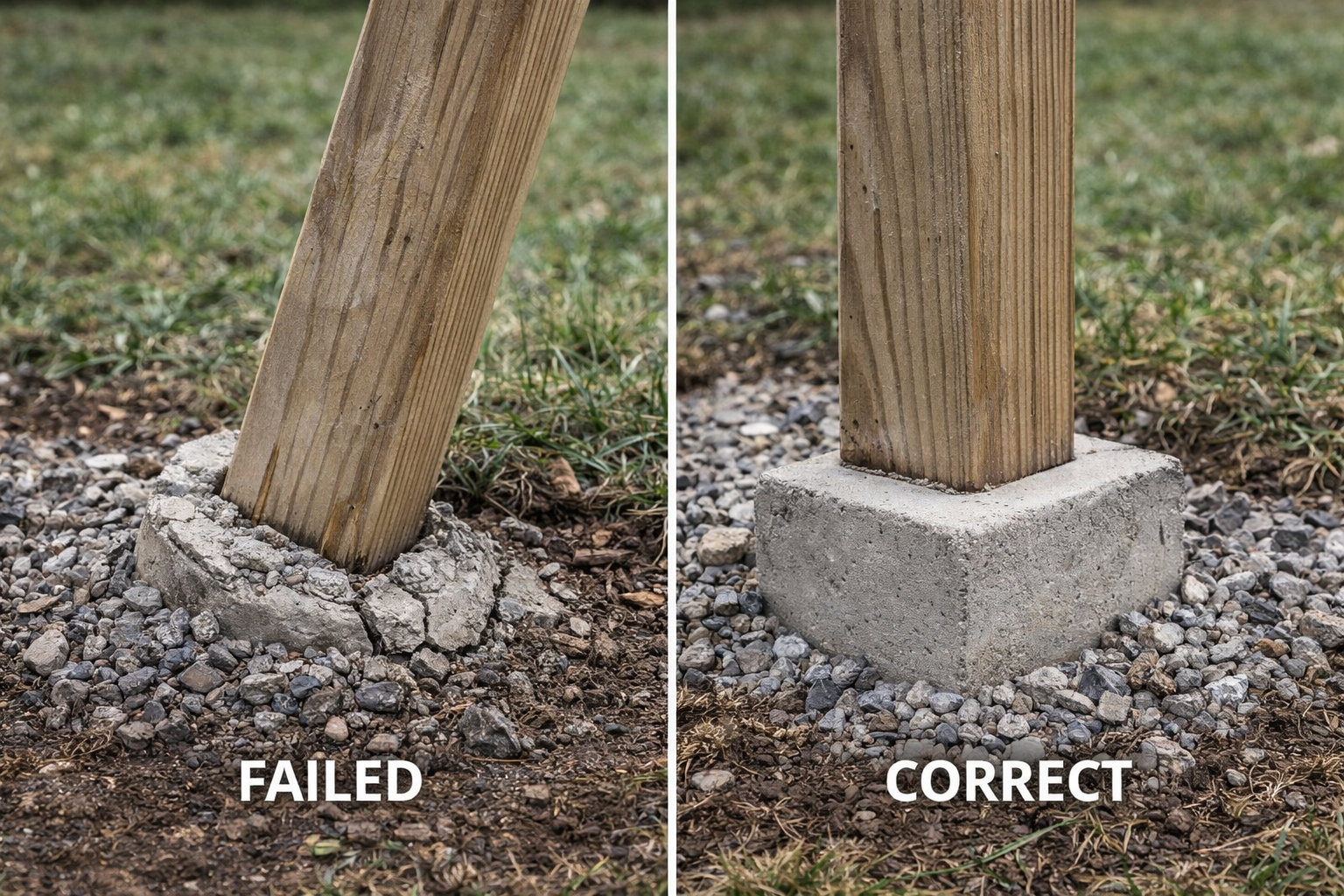
A common story in our area goes like this. A homeowner has a beautiful paver patio installed. A year later, they decide they want shade, so they hire a handyman to add a heavy wooden pergola. The pergola posts get set in concrete that is only 24 inches deep because the ground "felt solid" during the install. The first Wisconsin winter comes, freezing temperatures dive deep into the soil, and then the spring melt hits. Suddenly, one post is an inch higher than the others.
The pergola still stands, but the top beams look slightly tilted against the horizon of the house siding. The fasteners begin to squeak in the wind because the joints are under stress. It is not a disaster yet, but it is the start of a slow-moving headache that takes away from the enjoyment of the yard.
Now, picture that same yard handled by experienced patio paver contractors Appleton locals trust. They built the patio base correctly, planned for drainage, and installed the pergola posts on footings that went a full 48 inches down to the frost line. Winter still comes... because it always does here... but the structure stays put. The patio stays smoother, the joints hold their sand, and the whole space feels “finished” instead of constantly needing tweaks.
This matters even more around the Fox Valley because our yards often have a mix of heavy clay and moisture patterns. One side of a yard might drain fine, while the other side stays damp for weeks after snowmelt. Frost heave is significantly worse in wet soils. A good plan isn't about overbuilding. It is about building the right parts deep and the surface parts flexible.
Why 48 Inches is the Magic Number
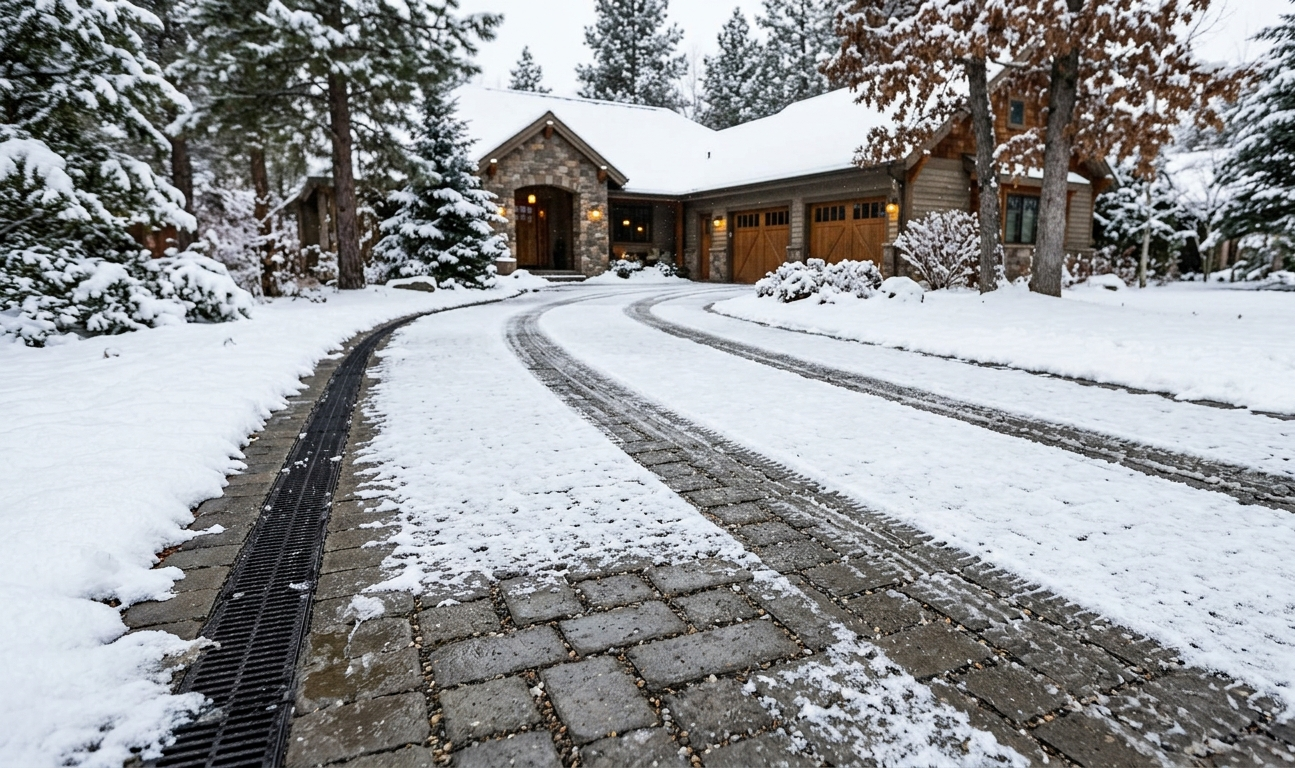
Wisconsin winters create a repetitive cycle that acts like a slow-motion jack under your hardscaping. When soil freezes, the water trapped between soil particles turns to ice and expands. This expansion has nowhere to go but up. When it thaws, the soil turns soft and settles back down.
This movement is powerful enough to lift entire houses if they aren't anchored correctly. This is why frost depth is treated like a serious line in the sand for load-bearing footings. Wisconsin’s state code is clear on this to protect property owners. According to the Wisconsin Legislature, footings and foundations must extend below the frost penetration level to prevent damage to the structure (see SPS 321.16).
That rule is not there just to make hardscaping Appleton projects more difficult or expensive. It is there because shallow footings in a cold climate move. Movement breaks expensive stone finishes, cracks masonry joints, and creates tripping hazards on stairs. Local municipalities generally reinforce this concept in building guidance, matching what inspectors look for when posts and structural supports are involved.
What Counts as a "Footing" vs. a "Base"?
Confusing a footing with a base is the number one reason homeowners get frustrated with quotes. They might wonder why one contractor is digging four feet down for holes while another is excavating the whole patio area only 8 to 12 inches deep.
A Footing is a structural support point. It transfers a heavy load into the ground deep enough that it resists settling and frost movement. Think of footings as the "legs" of anything that must stay perfectly level.
- Are you installing deck posts? You need footings.
- Are you building a roofed pavilion? You need footings.
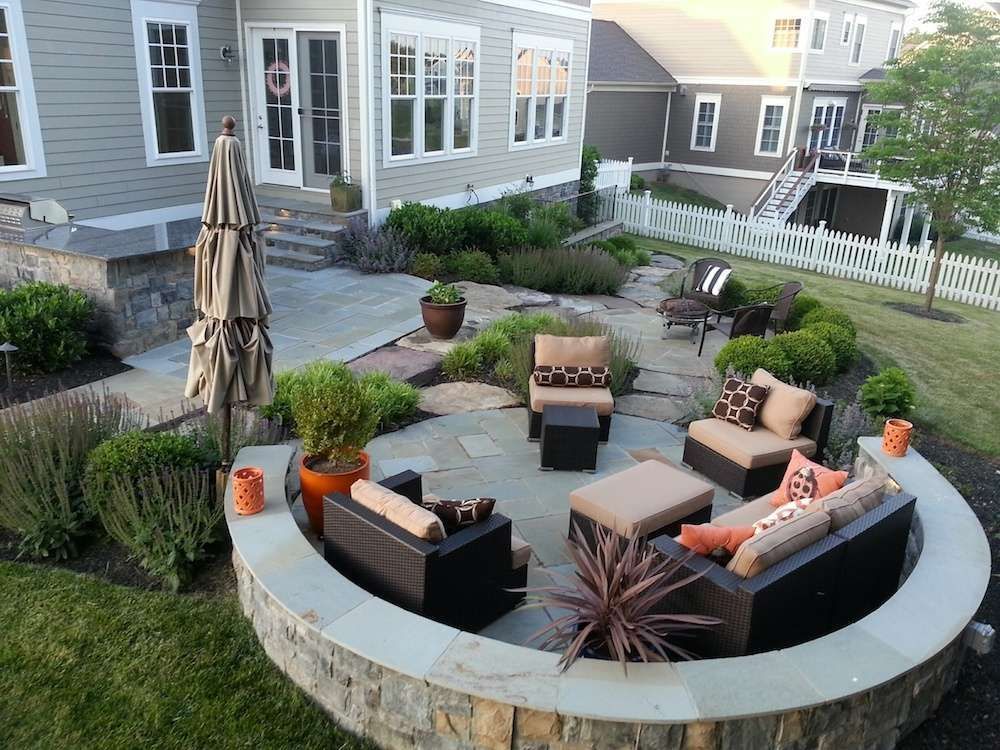
- Are you building a heavy masonry seat wall that acts like a retaining wall? You likely need footings.
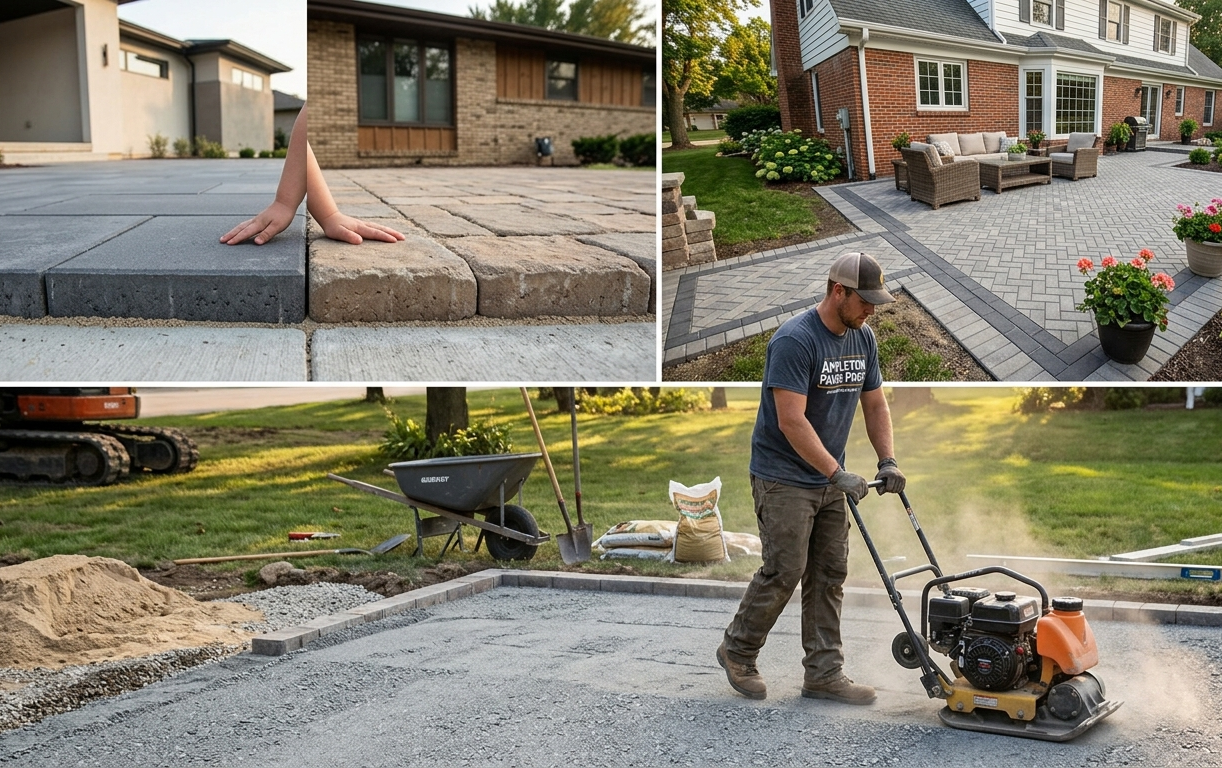
A Patio Base is different. Most paver patio builders Appleton homeowners hire are constructing a flexible pavement system. This means the pavers sit on a layer of bedding sand over a compacted crushed stone base. That base is designed to spread loads out, drain water away, and handle seasonal movement without cracking like a solid concrete slab would.
The "depth" that matters for the paver surface is the base depth, not a frost footing depth. If someone pours a shallow concrete pad for a landing and then lays pavers next to it, those two surfaces will move differently in January. That is when you see lips, gaps, and trip edges form. A smart design keeps these elements separate or ensures everything is built to the same frost standard.
The Base Depth That Actually Prevents Shifting
Even though the middle of your patio might not need 48-inch deep concrete, it still needs a serious foundation. In our service area, the base has one primary job: stability. It must stay rigid during the freeze and thaw cycle while moving water away from the stones.
For the best patio paver contractors Appleton offers, a solid base usually includes:
- Excavation: Removing organic topsoil, which holds water like a sponge.
- Geotextile Fabric: A separation layer that keeps the stone from sinking into the clay.
- Compacted Aggregate: A mix of crushed stone that locks together when compacted.
- Bedding Layer: A thin layer of sand or chips for the pavers to sit on.
The base thickness varies based on your specific soil and what you plan to put on the patio. A simple backyard patio for a café table might need 6 to 8 inches of base. A driveway or a patio supporting a heavy hot tub might need 10 to 12 inches or more. The more water your soil holds, the more critical this drainage and base structure becomes.
When a patio fails in the Fox Valley, it is rarely because the pavers were bad. It is almost always because the base was too thin, not compacted in "lifts" (layers), or built over soft, wet soil.
When You Really DO Need 48-Inch Footings
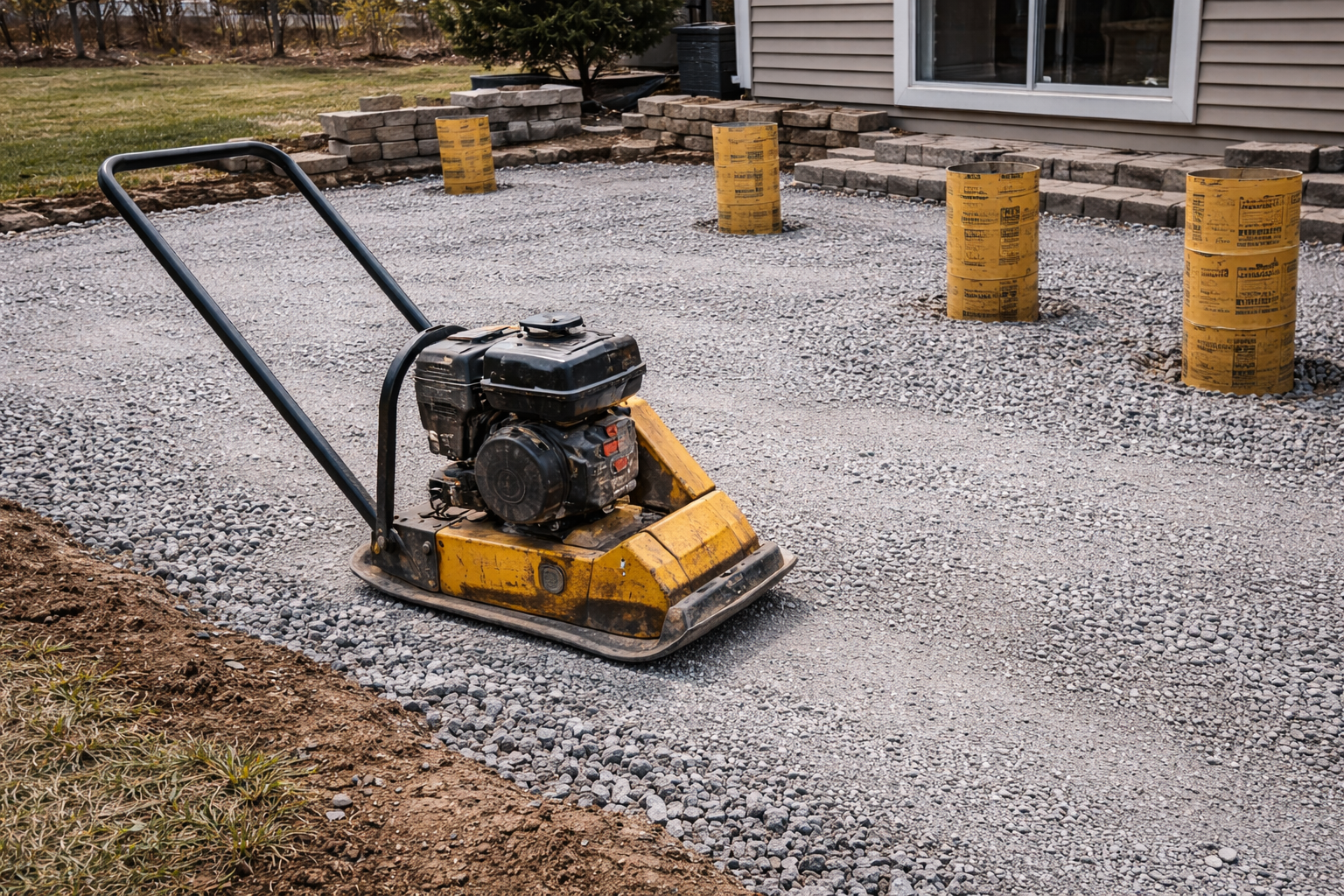
There are specific features in hardscaping designs that absolutely require digging to the frost line. If your design includes any of the following, do not cut corners on depth:
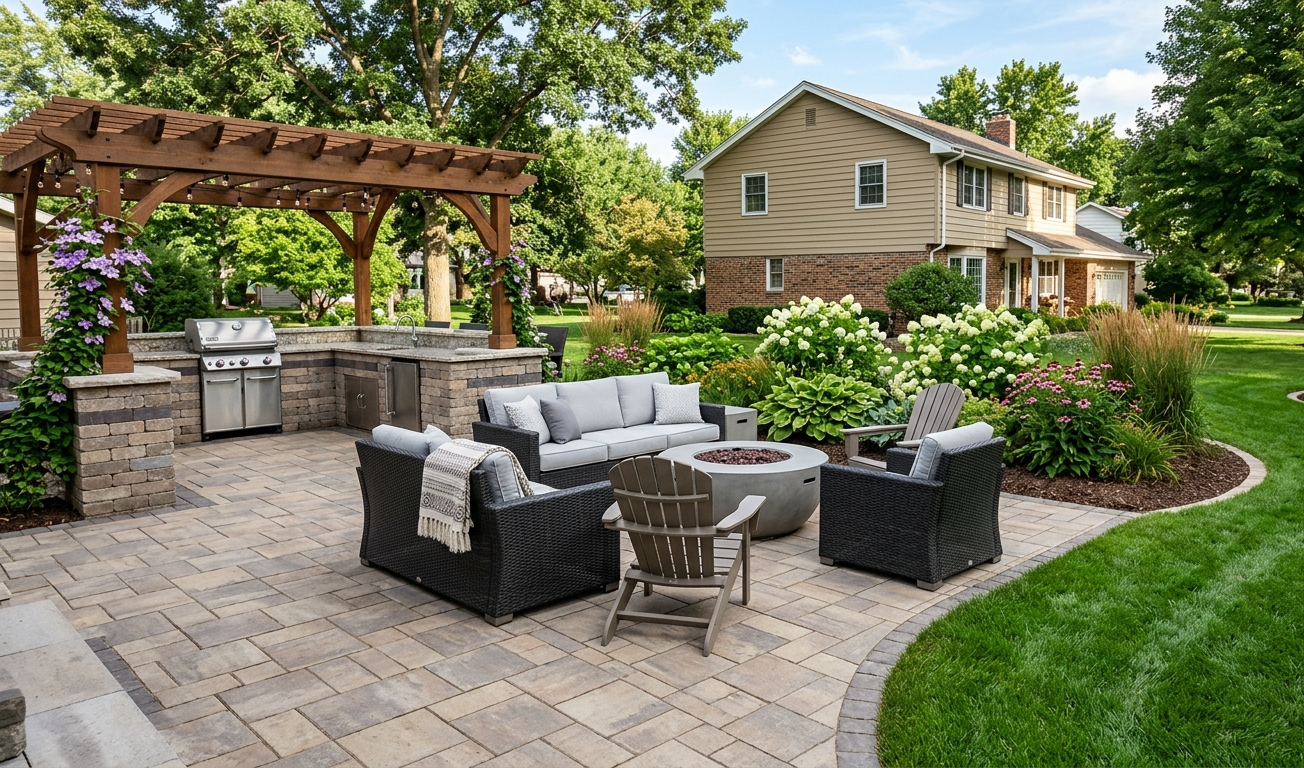
- Pergolas and Pavilions: Roofed structures create "uplift" (wind trying to pull them up) and downward load. Shallow posts will wobble and lean over time.
- Stairs and Landings: Steps often act like small foundations. If they settle unevenly, they become dangerous.
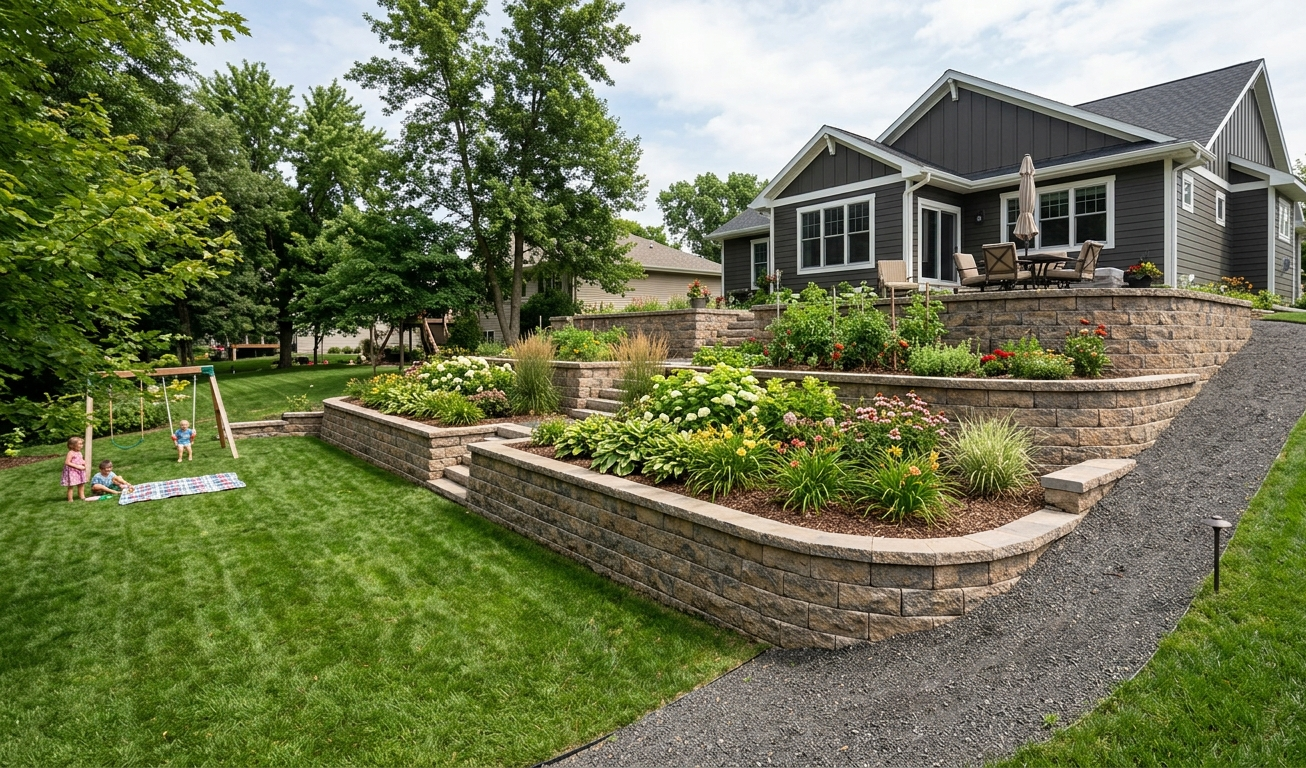
- Retaining Walls: Depending on the height and the load they are holding back, some walls need deep trench footings.
- Outdoor Kitchens with Masonry: If you are veneering a kitchen island with stone and mortar, it needs a rigid foundation so the mortar joints do not crack.
Exceptions exist, such as frost-protected shallow foundations (FPSF), but these require very specific insulation details and engineering. For most residential patio add-ons, the practical path is simple: Put structural supports below frost depth and build the paver surface with a proper drainage base.
A Step-by-Step Way to Plan the Right Way
If you are looking at your backyard and feeling overwhelmed, break the project down into "surface" vs. "structure."
- Define the Load: Start by deciding what your patio must support. If it is just furniture, you are planning for base depth and drainage. If you want a heavy pavilion or a tie-in to the house, you are planning for 48-inch footings.
- Watch the Water: Walk your yard during a spring thaw or heavy rain. Notice where the water sits. Patios fail faster in wet zones. The best paver patio builders Appleton has will always plan to slope water away from the home.
- Check the Soil: Are you on sandy soil or heavy red clay? Clay holds water and heaves more. This might mean you need a thicker base or amended soil.
- Plan the Transition: How will the patio meet your back door? If you need a step, will that step be a wood box (needs footings) or a block step (needs a compacted base)?
- Hire for the Winter: When you interview patio paver contractors Appleton offers, ask them, "How do you prep for frost?" If they don't have a clear answer about drainage and base compaction, keep looking.
Building for Wisconsin Winters
If you are in Wisconsin or the surrounding Fox Valley area, and you are planning a patio, it helps to talk with someone who builds for real winters, not just for summer magazine photos. The best outcome is a patio that drains well, stays level, and still feels great when the next spring melt rolls in.
A quick site visit can usually reveal whether you need structural footings, a thicker base, or a drainage adjustment that protects your investment. If you want help thinking it through, reach out to a local hardscaping team and ask a few simple questions. The right partner will not rush those answers, because those details are what keep your patio looking good for years.
Frequently Asked Questions
Do I need 48-inch footings for a standard paver patio surface?
Generally, no. Most standard paver patio surfaces do not use 48-inch deep concrete footings under the entire paved area. A paver patio is typically built as a flexible pavement system over a compacted crushed stone base. The base depth (usually 6 to 12 inches) and drainage capabilities matter more than deep concrete under the surface pavers. The goal is to create a stable, well-draining platform that can handle freeze and thaw cycles without heaving or cracking. When the base is built correctly, the pavers can move infinitesimally as a system and still stay flat and safe. However, any structures on that patio, like roof posts, usually do need deep footings.
What happens if my patio posts are set too shallow?
Shallow posts often look fine for the first few months because concrete can feel solid even when it is not deep enough. The problem inevitably shows up after the first few freeze and thaw cycles. Frost grabs the concrete and lifts it—a process called "adfreezing"—especially in wet clay soils. When the ground thaws, the post drops back down, but rarely settles perfectly even. This causes posts to rise, tilt, or settle out of plumb. Once a post moves, overhead beams can twist, and fasteners can loosen. Fixing this later is expensive because it often involves removing the post and damaging the surrounding patio.
Can I use a "floating" slab instead of footings?
A floating slab (a concrete slab poured on grade without deep footings) is an option for certain small structures like sheds or simple landing pads, provided the soil is prepared correctly. However, a floating slab moves with the frost. If you attach a floating slab to a house that is on a deep foundation, the slab will move while the house stays still, causing severe damage at the connection point. Hardscaping Appleton experts generally advise against attaching floating structures to fixed structures. If the slab is standalone and isolated from the home, it can work, but it requires a very strong, uniform base to prevent cracking.
How do I know if my patio settling is from frost or a bad base?
Frost issues often present themselves as seasonal movement. You may notice a patio edge that rises significantly in January and February, then settles back down (often unevenly) in May. You might see pavers that feel tight in winter and loose in summer. If a post is involved, frost heave usually looks like the post is being pushed up. On the other hand, general base failure often looks like sinking or "rutting." If the pavers dip in areas where people walk, or if the edge of the patio is falling away, that is usually a sign that the base was not compacted well or the edge restraints have failed.
Does the soil type in the Fox Valley change the footing requirements?
While the code requirement for frost depth (48 inches) remains consistent for structural protection, the soil type heavily dictates how paver patio builders Appleton construct the base. The Fox Valley has a wide variety of soils, ranging from heavy red clay to pockets of sand. Clay soils hold water, making them highly susceptible to frost heave. In clay-heavy areas, contractors often need to install a thicker gravel base and use geotextile fabrics to prevent the clay from mixing with the stone. In sandy areas, drainage is naturally better, but containment of the base becomes the priority.
Ready to Build a Patio That Lasts?
Don't let the Wisconsin winter ruin your hard work. Whether you are adding a simple paver walkway or a full outdoor living space with a pergola, getting the foundation right is the key to longevity.
If you are looking for honest advice and a build that respects the frost line, we are here to help. Reach out to our Urban Renovations team today to discuss your project. We will help you navigate the soil conditions, the code requirements, and the design choices that make sense for your home.
About Urban Renovations
Urban Renovations is Central Wisconsin’s one stop team for hardscaping and landscaping, built around clean craftsmanship and a smooth experience from start to finish. They handle everything from paver patios, retaining walls, pergolas, and outdoor kitchens to grading, lawn installation, planting, and drainage that keeps your yard looking right and working right. Their 3D design process helps homeowners see the plan before work begins, so decisions feel confident and surprises stay off the jobsite. From the first conversation to the final walkthrough, their crew keeps communication clear, timelines realistic, and results built to last.

Ready to transform your outdoor space?
Trusted Local Team • Design and Build • Licensed and Insured • Year Round Service
From complete yard makeovers and hardscape installations to mowing and seasonal cleanups, we help Wisconsin homeowners get it done right. Call 920-250-8075 or submit the form below to get started.
Contact Us
Ready to Upgrade Your Outdoor Space?
If you are thinking about a new patio, retaining wall, pergola, or a fresh lawn install, our team is here to help you plan it right and build it to last. Reach out to Urban Renovations to talk through your goals, get expert guidance, and take the next step toward a clean, functional outdoor space you will enjoy for years.
Follow Us
Get A Free Quote Today!