

Urban Renovations Blog
Polymeric Sand Vs. Regular Sand: The Glue That Holds Your Patio Together
Frank White • June 24, 2026 Urban Renovations | Appleton, WI | USA
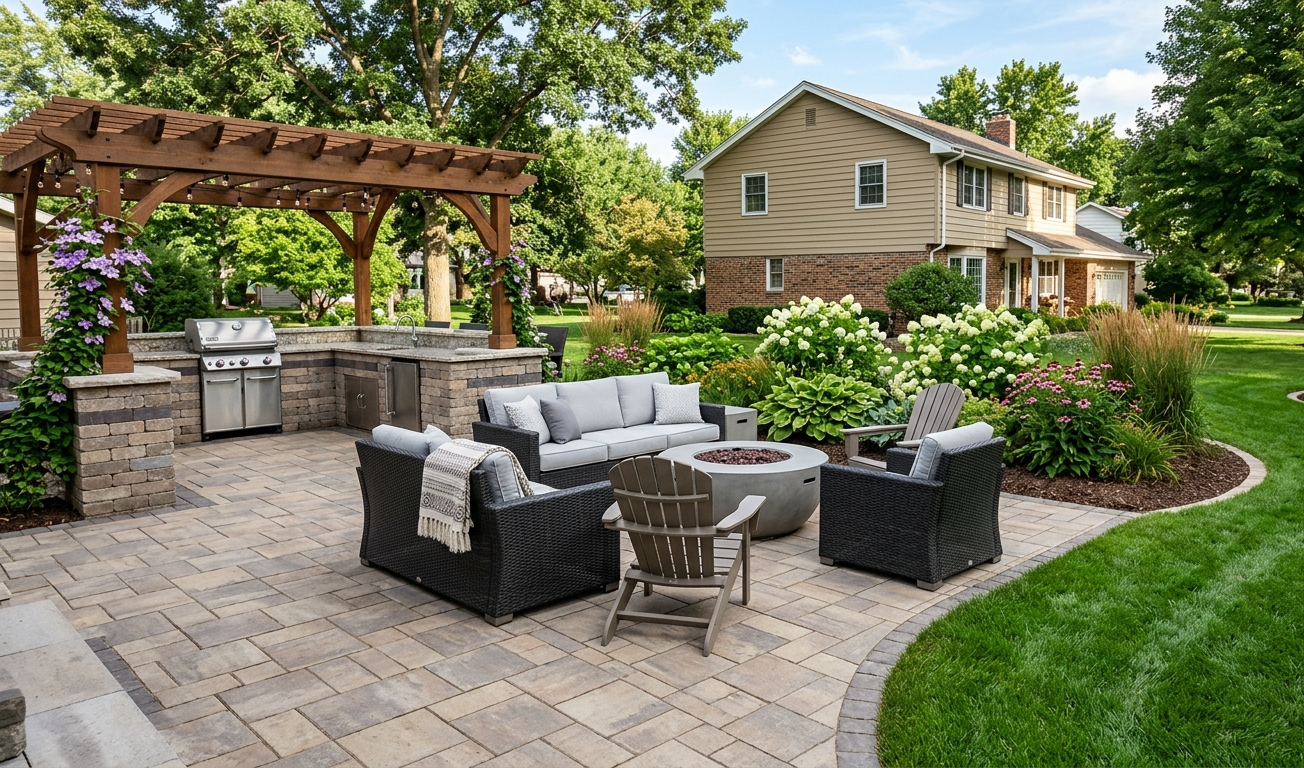
When homeowners begin planning a new patio, most of their attention goes toward selecting paver styles, colors, layouts, and outdoor features that will bring their vision to life. While these choices certainly influence appearance, one of the most important decisions often receives very little attention. The material placed between the pavers can significantly affect how well the patio performs over time.
For most homeowners investing in a
patio contractor Appleton project, polymeric sand is generally the preferred option because it helps stabilize pavers, reduce weed growth, discourage insect activity, and minimize weather-related erosion. Understanding the differences between polymeric sand and regular sand can help ensure your patio remains attractive, functional, and durable for years to come.
Should I Use Polymeric Sand Or Regular Sand?
For most modern paver installations, polymeric sand provides significant advantages over traditional sand. Polymeric sand contains fine sand blended with specialized binding agents that activate when exposed to water. Once installed correctly, the material hardens within the joints, helping lock pavers together while still maintaining enough flexibility to accommodate natural movement. Regular sand remains loose, so it can gradually shift, be washed away, or create conditions that allow weeds and insects to become established.
One of the simplest ways to understand the difference is to think of pavers as individual puzzle pieces. Without proper joint stabilization, those pieces are more likely to move independently over time. Polymeric sand helps keep the surface functioning as one unified system. This added stability becomes particularly important during Wisconsin's seasonal weather changes, where patios experience heavy rainfall, snow accumulation, and repeated freeze-thaw cycles throughout the year.
For homeowners considering paver patio installation Appleton services, selecting the right joint material is not just a small detail. It is a decision that directly influences long-term performance, maintenance requirements, and overall durability. While regular sand may initially appear less expensive, polymeric sand often delivers greater value by reducing future maintenance and helping protect the investment made in the patio itself.
What Is The Downside To Polymeric Sand?
Although polymeric sand offers numerous benefits, it is not entirely without limitations. The most significant consideration is that installation must be completed correctly. Unlike regular sand, polymeric sand requires precise preparation, proper compaction, careful cleaning of the paver surface, and controlled watering during activation. If excessive water is applied, a haze may develop on the pavers. If too little water is used, the binding agents may not activate properly, reducing performance.
Another factor homeowners should consider is future repairs or modifications. If pavers need to be removed for utility work, drainage improvements, or design changes, some of the existing polymeric sand may need to be replaced during reinstallation. While this is not typically a major issue, it differs from traditional loose-sand applications. Understanding these maintenance considerations helps homeowners set realistic expectations about long-term ownership.
At Urban Renovations, we often compare polymeric sand to grout in a tile installation. Grout contributes significantly to the overall performance and appearance of the finished surface, but its success depends on proper installation practices. The same principle applies to paver patios. A qualified patio contractor Appleton homeowners trust should understand the correct installation procedures to maximize performance. Even the highest-quality polymeric sand cannot compensate for poor base preparation, inadequate drainage, or shortcuts taken during construction.
Does Polymeric Sand Harden Like Concrete?
One of the most common misconceptions surrounding polymeric sand is that it hardens into a material similar to concrete. In reality, polymeric sand behaves very differently. While the binding agents create a firm and stabilized joint, the finished material remains flexible enough to accommodate minor movement within the pavement system. This flexibility is actually one of its greatest advantages.
Outdoor surfaces naturally expand and contract due to temperature fluctuations. Wisconsin experiences significant seasonal variation, ranging from hot summer temperatures to harsh winter conditions. If the material between pavers became completely rigid like concrete, it would be much more susceptible to cracking as environmental conditions changed. Instead, polymeric sand provides a controlled level of flexibility that helps preserve the patio's integrity while maintaining stability.
According to the
Interlocking Concrete Pavement Institute, properly installed joint materials play a critical role in maintaining paver interlock and long-term performance. For those planning a patio contractor Appleton project, understanding this distinction helps establish realistic expectations about how polymeric sand affects both structural performance and appearance. The goal is not to eliminate movement entirely but to manage it effectively within a properly designed system.
Is There Anything Better Than Polymeric Sand?
For most residential hardscape applications, polymeric sand remains one of the most effective joint stabilization products available today. It offers a strong balance of durability, appearance, affordability, and performance. While specialty products exist for specific applications, polymeric sand remains the preferred solution for most patios, walkways, fire pit areas, and outdoor living spaces.
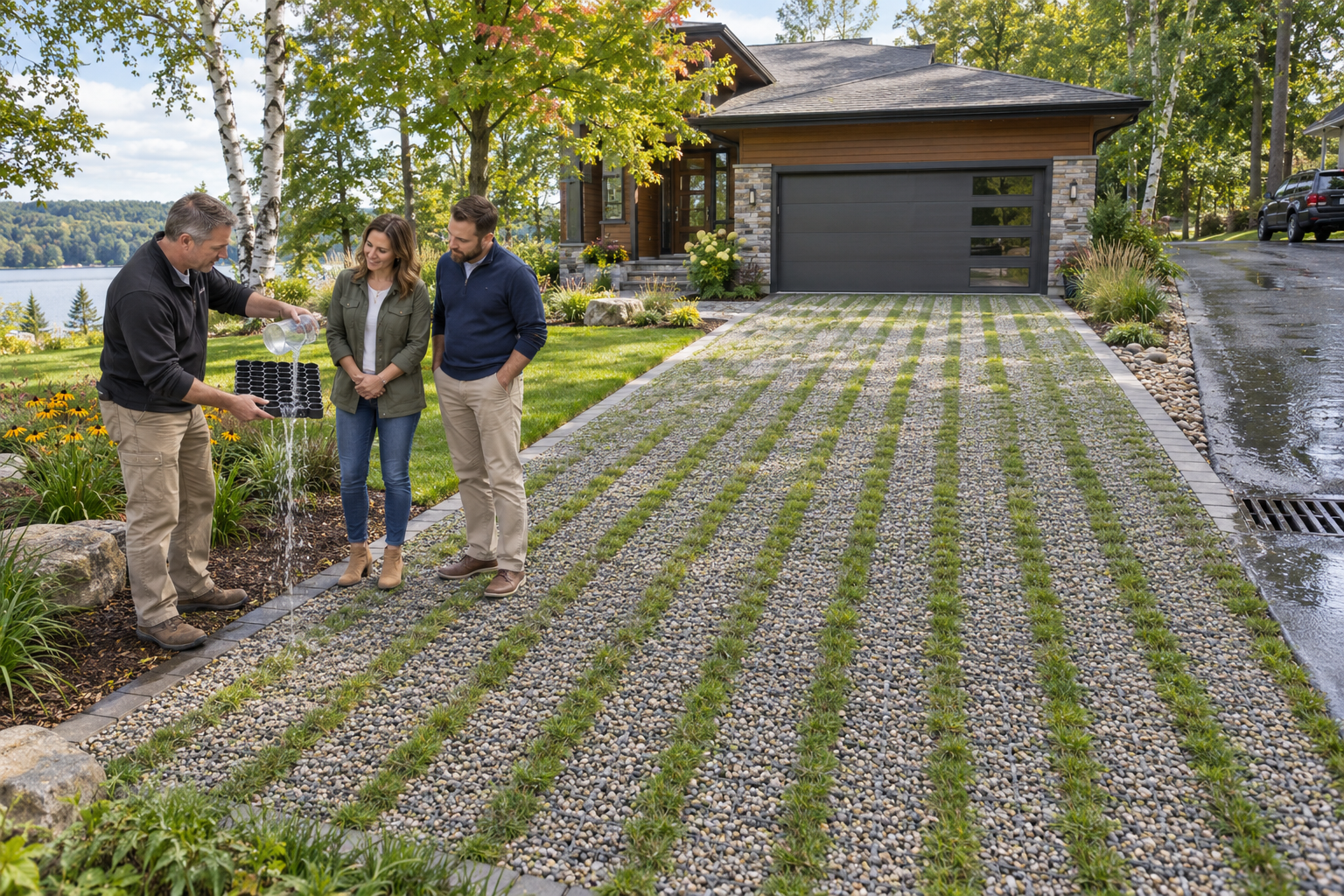
Certain permeable paver systems utilize specialized aggregate materials instead of traditional polymeric sand. Some commercial projects may require engineered joint compounds designed to withstand extremely heavy traffic or unusual environmental conditions. However, these specialized products are typically intended for very specific circumstances and are not commonly needed for residential installations.
For homeowners exploring
paver patio installation Appleton options, the more important question is often whether the selected polymeric sand is appropriate for the project and whether it will be installed correctly. Material selection should always align with site conditions, drainage requirements, paver style, and anticipated use. Choosing the right solution involves evaluating how all components of the patio work together rather than focusing on any single material in isolation.
Why Do Weeds Grow Between Some Patios But Not Others?
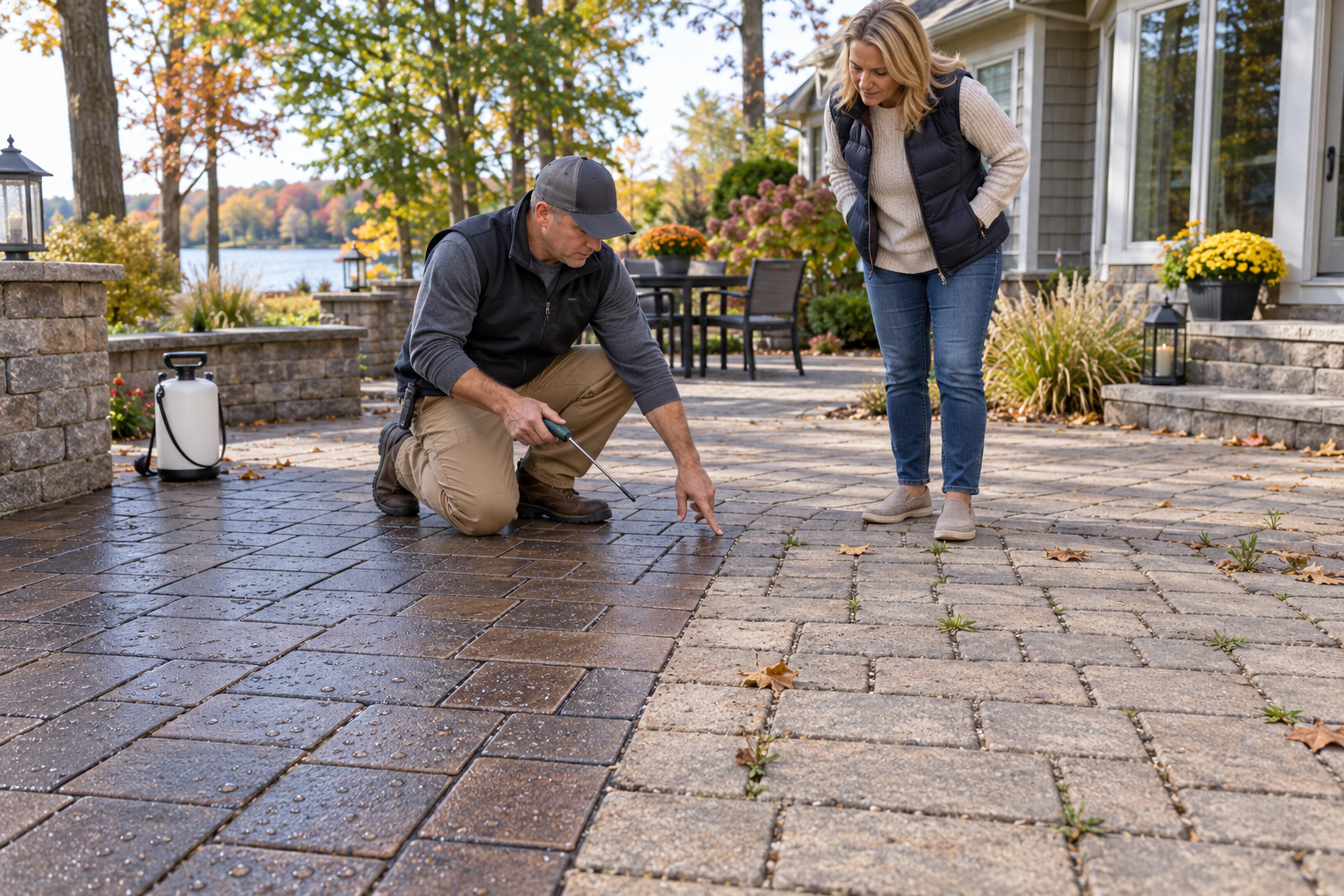
Many homeowners believe weeds emerge from beneath the patio itself. In reality, most weeds originate from seeds that land in the joints from above. Wind carries seeds into small openings, and when enough moisture and organic material accumulate, those seeds can germinate and begin to grow. Over time, traditional sand joints often create conditions that support this process.
Polymeric sand helps reduce the likelihood of weed growth by creating denser and more stable joints. The hardened surface makes it more difficult for seeds to penetrate deeply enough to establish themselves. While no patio can be guaranteed to be completely weed-free forever, polymeric sand significantly reduces the frequency and severity of weed-related maintenance compared to regular sand.
Homeowners investing in a patio contractor Appleton project often appreciate any feature that helps minimize ongoing upkeep. Weed control remains one of the most common frustrations associated with older patios that rely on traditional sand joints. By improving joint stability and reducing opportunities for seed establishment, polymeric sand contributes to a cleaner appearance and less maintenance over the life of the patio.
How Does Wisconsin Weather Impact Patio Joint Performance?
Wisconsin's climate places considerable stress on outdoor hardscape surfaces throughout the year. Heavy rain can gradually erode loose sand from joints. Snow removal activities may accelerate wear. Freeze-thaw cycles repeatedly expose patios to expansion and contraction forces that affect every component of the pavement system. These environmental factors make proper joint stabilization particularly important.
A patio functions as an integrated system rather than a collection of separate materials. The base provides foundational support, the pavers create the finished surface, and the joint material helps maintain interlock and stability. When one component underperforms, the entire system can become vulnerable to problems. Loose sand is more susceptible to erosion and displacement, which can eventually contribute to paver movement and increased maintenance requirements.
As a patio contractor Appleton homeowners frequently rely on, we design projects with Wisconsin conditions in mind. Successful paver patio installation Appleton projects require attention to drainage, base preparation, compaction, edge restraint systems, and joint stabilization. These elements work together to create a patio that withstands years of exposure to challenging weather conditions while maintaining both functionality and appearance. Learn more by reading
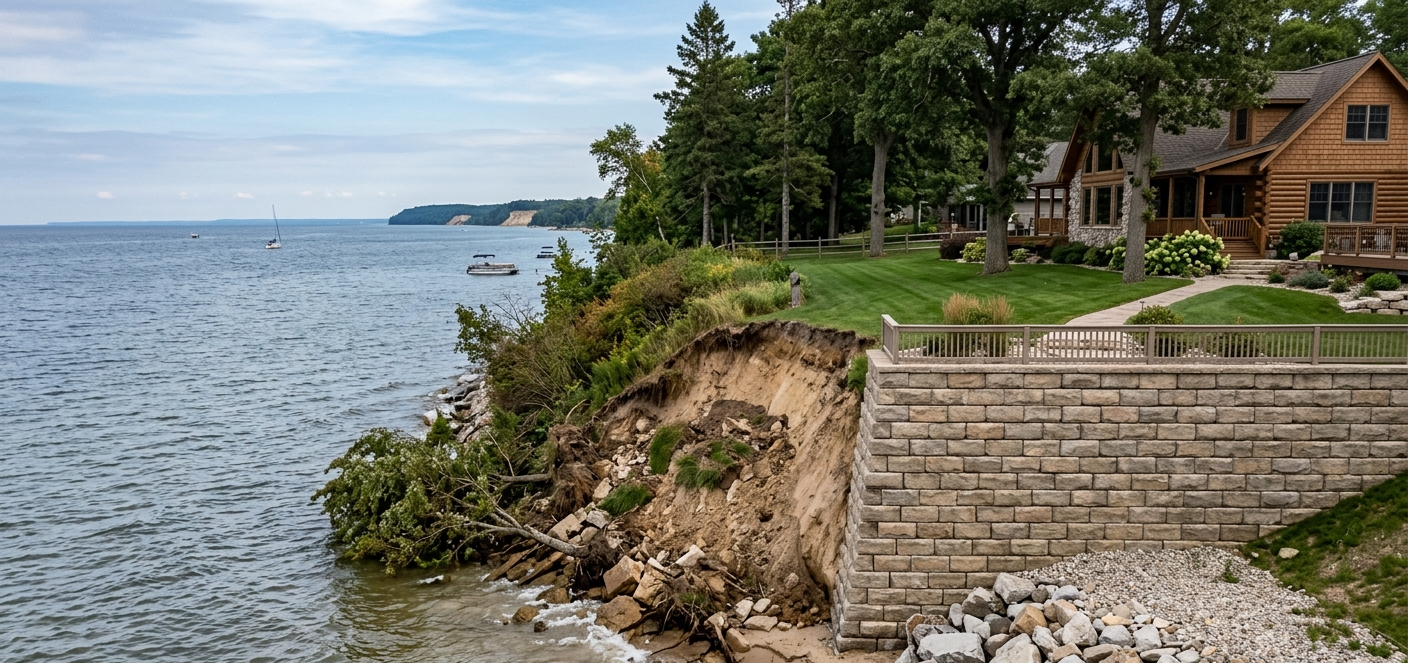
Shoreline Stabilization: Protecting Door County Waterfronts from Erosion.
Why Proper Installation Matters As Much As The Materials
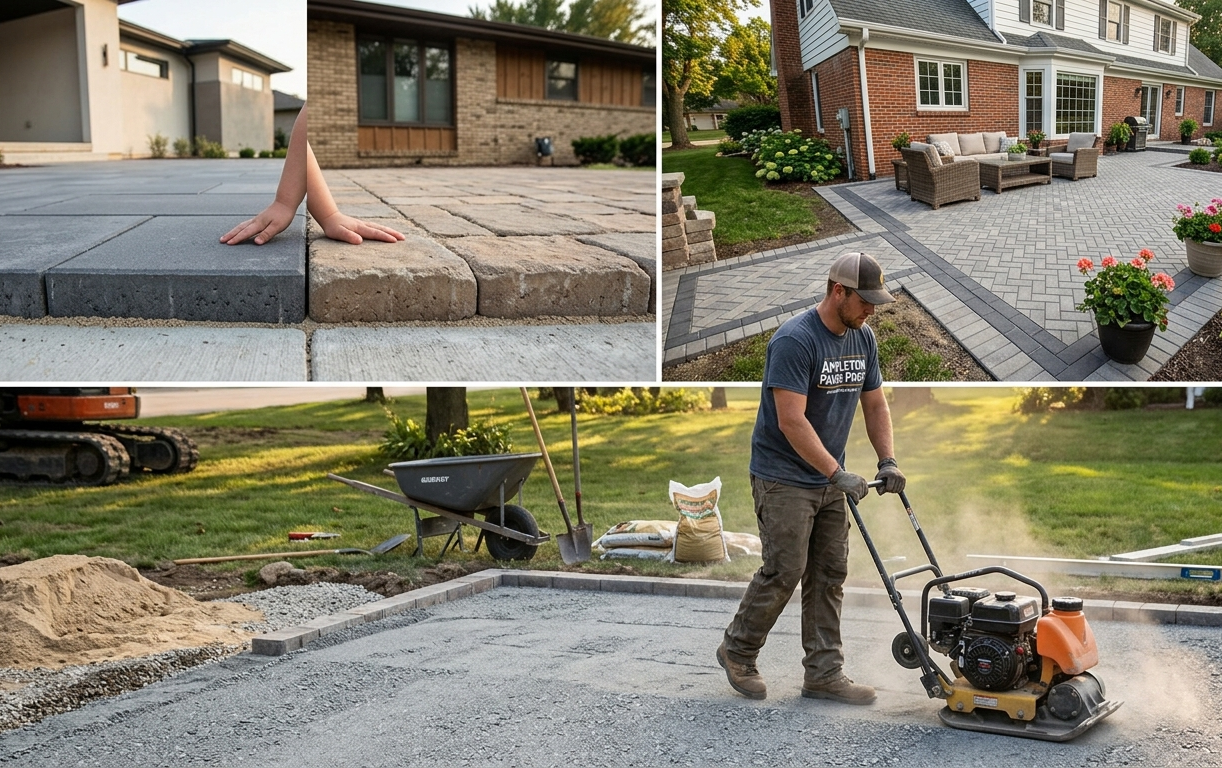
Even the best materials cannot perform as intended if they are installed incorrectly. A patio built with premium pavers and high-quality polymeric sand can still experience issues if excavation, grading, drainage, or compaction procedures are inadequate. Proper installation ensures every component functions together to support long-term performance.
Professional installation begins with understanding the property's unique conditions. Soil characteristics, drainage patterns, slope, sun exposure, and intended use all influence construction decisions. A skilled patio contractor Appleton professional evaluates these factors before work begins and develops a plan that addresses potential challenges before they become costly problems. This attention to detail helps maximize the patio's lifespan and reduce the likelihood of future repairs.
For homeowners considering paver patio installation Appleton services, quality workmanship often provides greater long-term value than simply selecting the lowest bid. Proper installation protects the investment, enhances durability, and contributes to a finished outdoor space that remains attractive and functional for many years. Small details such as joint stabilization frequently become major factors in determining overall project success.
Final Thoughts
While polymeric sand may seem like a minor component, it plays a significant role in the long-term success of a paver patio. Compared to traditional sand, it provides improved stability, better resistance to erosion, reduced weed growth, and enhanced durability. These benefits help protect the investment homeowners make in their outdoor living spaces while minimizing maintenance demands.
The key to maximizing performance lies in proper installation. Even the highest-quality materials require careful preparation and expert workmanship to achieve their full potential. Homeowners researching a patio contractor Appleton project should consider not only the materials being used but also the installation methods that will support long-term results.
At
Urban Renovations, we believe every successful paver patio installation Appleton project starts with quality construction practices and attention to detail. We focus on creating outdoor spaces designed to withstand Wisconsin weather while maintaining lasting beauty and functionality. Learn more about our hardscaping services at https://www.hardscapingwisconsin.com/.
Reach out today to discuss your project goals and explore patio solutions tailored to your property.
Follow our social media pages below:
About Urban Renovations
Urban Renovations is Central Wisconsin’s one stop team for hardscaping and landscaping, built around clean craftsmanship and a smooth experience from start to finish. They handle everything from paver patios, retaining walls, pergolas, and outdoor kitchens to grading, lawn installation, planting, and drainage that keeps your yard looking right and working right. Their 3D design process helps homeowners see the plan before work begins, so decisions feel confident and surprises stay off the jobsite. From the first conversation to the final walkthrough, their crew keeps communication clear, timelines realistic, and results built to last.

Ready to transform your outdoor space?
Trusted Local Team • Design and Build • Licensed and Insured • Year Round Service
From complete yard makeovers and hardscape installations to mowing and seasonal cleanups, we help Wisconsin homeowners get it done right. Call 920-250-8075 or submit the form below to get started.
Contact Us
Ready to Upgrade Your Outdoor Space?
If you are thinking about a new patio, retaining wall, pergola, or a fresh lawn install, our team is here to help you plan it right and build it to last. Reach out to Urban Renovations to talk through your goals, get expert guidance, and take the next step toward a clean, functional outdoor space you will enjoy for years.
Follow Us
Get A Free Quote Today!