
Urban Renovations Blog
Should You Seal Your Paver Patio? Protecting Your Investment From Wisconsin Weather
Frank White • September 11, 2026 Urban Renovations | Appleton, WI | USA
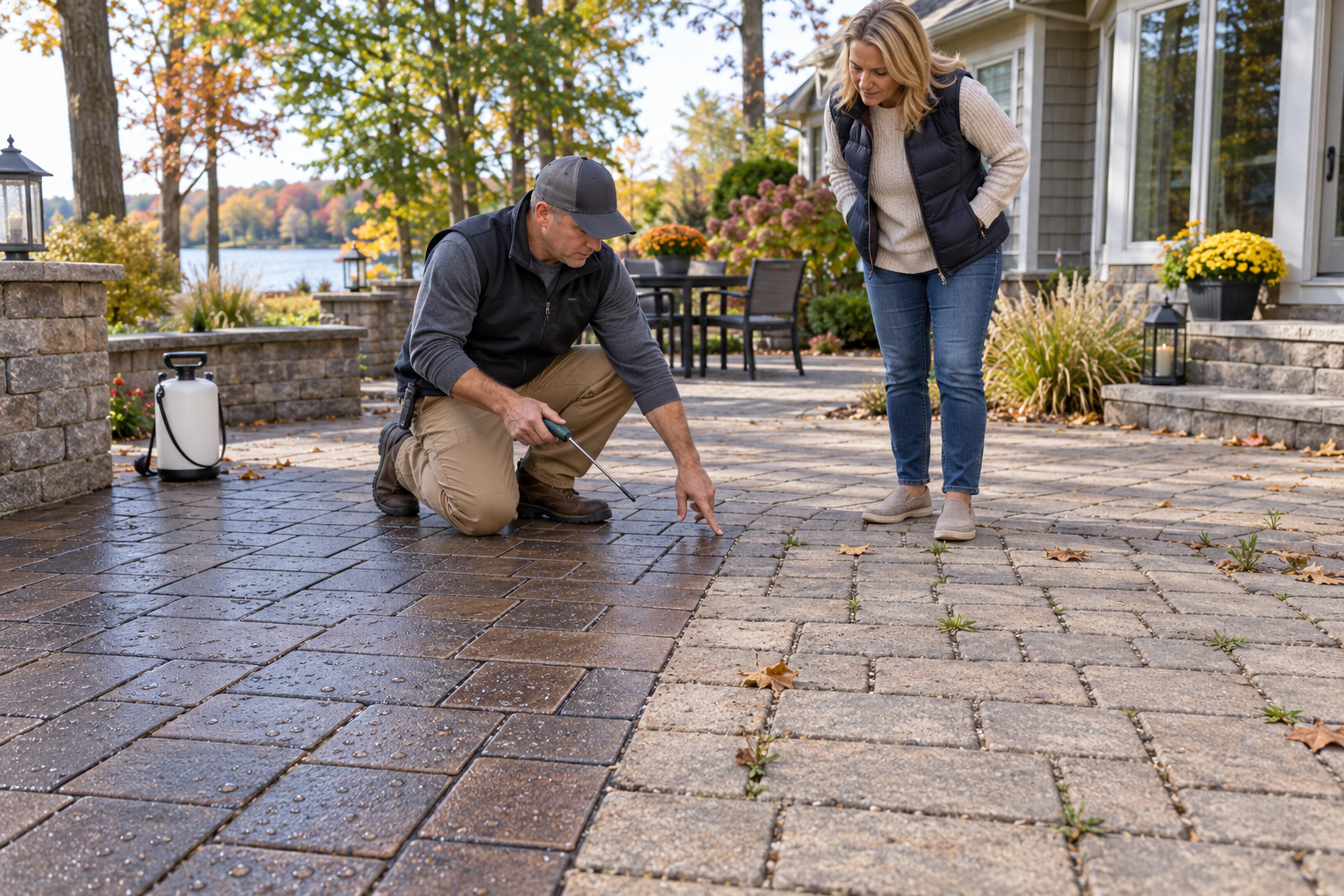
You invested time and money in a paver patio, walkway, driveway, or outdoor living area. Now you want to keep it looking attractive through snow, rain, freezing temperatures, spring thaw, summer gatherings, and everyday use. Paver sealing is one maintenance option, but homeowners often receive conflicting advice about whether it is necessary. Some products can improve stain resistance, enhance color, or help compatible joint materials remain stable. However, a sealer cannot correct poor drainage, repair an unstable base, level settled pavers, or prevent every effect of Wisconsin weather. The decision should depend on the actual pavers, their current condition, the manufacturer’s instructions, how the surface is used, and the appearance you want.
At Urban Renovations, we believe sealing should be treated as one possible part of a complete maintenance plan. Homeowners in Appleton and nearby communities should understand what sealers can accomplish, where their limitations begin, and why proper surface preparation matters before choosing a product.
Should You Seal Patio Pavers?
Sealing patio pavers can be worthwhile when the treatment provides a clear benefit for the material and the way the space is used. A patio that regularly hosts outdoor cooking and dining may benefit from greater resistance to grease, beverages, food spills, and organic stains. A homeowner may also choose sealing to deepen the color of the pavers or create a particular finish. That does not mean every patio needs to be sealed. Some homeowners prefer the natural appearance of unsealed pavers and are comfortable with routine cleaning and gradual weathering. Certain paver products may also have specific maintenance requirements or restrictions that should be reviewed before any treatment is applied. The best approach is to evaluate the paver type, age, existing coatings, joint condition, moisture level, exposure, and manufacturer’s recommendations. Sealing should solve a defined maintenance or appearance concern rather than being applied automatically because the patio has reached a particular age.
What Does Paver Sealer Actually Do?
Paver sealer changes how the surface interacts with moisture, spills, dirt, and sunlight. The exact effect depends on whether the product penetrates the paver or forms a film over the surface. Penetrating products generally create less visible change, while film-forming sealers may produce a richer color, satin finish, or noticeable gloss. Stain resistance is one of the most practical reasons to consider sealing. A compatible sealer may give homeowners more time to clean grease, drinks, food, leaves, mud, and other materials before they penetrate a porous surface. It does not make the pavers stain-proof, so spills should still be addressed promptly.
Some sealing systems can also help stabilize compatible joint sand. This potential benefit depends on the sealer, joint material, and application process. Homeowners should confirm that all parts of the system are designed to work together rather than assuming any sealer can be applied over any joint material.
Is Paver Sealing Necessary?
Paver sealing is not required for every installation. Properly manufactured, correctly installed pavers can often perform without a sealer when homeowners follow the manufacturer’s care recommendations and maintain the joints, drainage, edges, and surrounding landscape.
The decision often comes down to priorities. Sealing may make sense when stain resistance is important, when the patio experiences frequent entertaining, or when the homeowner wants to enhance the pavers’ color. Leaving the surface unsealed may be preferable when the owner likes its natural appearance, wants to avoid future recoating, or has pavers for which the manufacturer does not recommend sealing. Homeowners should be cautious when someone claims that an unsealed patio will quickly fail. The quality of the excavation, base, drainage, compaction, edge restraint, and installation has a much greater influence on structural performance than a coating applied to the surface.
How Does Wisconsin Weather Affect Pavers?
Wisconsin pavers experience substantial changes in temperature and moisture throughout the year. Winter introduces freezing conditions, snow, ice, and deicing materials. Spring brings thawing soil, saturated ground, and snowmelt. Summer can include heavy rainfall, heat, outdoor cooking, and regular foot traffic. These conditions make water management particularly important. Moisture that enters vulnerable materials or collects beneath an inadequately drained surface can freeze, expand, and contribute to movement or deterioration. The Wisconsin Department of Transportation recognizes the effects that seasonal moisture and temperature changes have on pavement systems across the state. Residential patios differ from roads, but the underlying lesson remains useful. Pavers need a properly prepared base, effective drainage, stable edge restraints, and maintained joints. Sealer may influence how moisture interacts with the exposed surface, but it cannot compensate for a patio that was installed without proper support or drainage.
Does Sealing Protect Pavers From Freeze-Thaw Damage?
Sealing may reduce surface absorption for certain paver materials, but it does not make a patio freeze-proof. Freeze-thaw performance depends on the paver product, installation quality, base material, soil, drainage, joint condition, and amount of moisture present within the system. The National Park Service explains that moisture can contribute to masonry deterioration when it freezes and expands. Its guidance concerns historic masonry rather than modern patio pavers, but it illustrates why moisture management remains important around masonry materials. A compatible sealer may serve as one layer of surface protection, but it should never be the primary solution for repeated water pooling, sinking pavers, or frost movement. If a patio has structural or drainage problems, those issues should be investigated before a surface coating is considered.
Can Paver Sealing Help Prevent Stains?
Paver sealing can improve resistance to certain stains when the product is compatible with the surface and applied correctly. This benefit can be particularly useful around grills, outdoor kitchens, dining areas, fire features, and heavily used entertainment spaces. Grease, beverages, food, leaves, mud, rust, and organic debris can leave marks on porous materials. A sealer may slow absorption and make some spills easier to remove, but homeowners still need to clean them promptly. No coating provides unlimited protection against every substance. Existing stains must be addressed before sealing. If grease, efflorescence, organic discoloration, or dirt remains on the pavers, the finished treatment may make the problem more noticeable or trap it beneath the coating. Cleaning and preparation should therefore be completed before the sealer is applied, not treated as an optional step afterward.
Does Paver Sealer Improve Color?
Some paver sealers are designed to deepen color and make the surface look richer. This effect is sometimes described as a wet look because the pavers may appear darker or more saturated after treatment. Other products are formulated to preserve a more natural, matte appearance. The right finish depends on the home, patio design, paver color, surrounding landscape, and homeowner’s preferences. A glossy finish may complement one outdoor space but look artificial or distracting in another. Gloss can also affect traction, especially around pools, steps, or areas that are frequently wet.
Homeowners should review physical samples or test the sealer in an inconspicuous area before treating the entire surface. Product photographs may not show how the finish will look on a specific paver color and texture. More shine does not necessarily mean more protection, so appearance and performance should be evaluated separately.
Can Sealing Prevent Weeds Between Pavers?
Sealing may help stabilize certain joint materials, but it cannot guarantee that weeds will never grow between pavers. Weed seeds can arrive through wind, birds, lawn clippings, soil, nearby planting beds, and organic debris that settles into the joints. Joint maintenance is more important than relying on sealer alone. Polymeric sand or another specified joint material must be installed according to the product requirements, and damaged or depleted joints should be repaired when necessary. Leaves, soil, and grass clippings should also be removed before they decompose and create a growing medium.
The surrounding landscape influences how quickly debris collects on a patio. Clean lawn edges, controlled runoff, and routine removal of organic material can reduce opportunities for weed growth. Sealing may support this maintenance strategy, but it should not be promoted as permanent weed prevention.
How Often Should Pavers Be Sealed?
There is no universal schedule for resealing every paver surface. The appropriate interval depends on the product originally applied, paver material, traffic, sun exposure, winter maintenance, cleaning methods, chemical exposure, and the appearance the homeowner wants to maintain. Instead of automatically applying another coat every few years, inspect the existing surface. Uneven color, peeling, haze, loss of gloss, or areas that absorb water differently may indicate that the old treatment is wearing or failing. These signs do not automatically mean another coat should be added.
The existing product must be identified whenever possible because a new sealer may not be compatible with the old one. Applying repeated coatings without proper evaluation can create discoloration, poor adhesion, trapped moisture, or a finish that is difficult to remove. Manufacturer instructions should guide both the original application and future maintenance.
When Is the Best Time to Seal Pavers?
Pavers should be sealed when the surface, temperature, and forecast meet the manufacturer’s application requirements. The patio generally needs to be clean and sufficiently dry, and the air and surface temperatures must remain within the product’s approved range during application and curing. Recent rain can delay the work because moisture may remain within the pavers or joints even when the surface appears dry. Rain shortly after application can also interfere with curing, potentially leading to cloudiness, spotting, poor adhesion, or an uneven finish.
Late spring, summer, and early fall may offer suitable opportunities in Appleton, but the calendar alone should not determine the timing. Wisconsin weather can change quickly, and every product has different requirements. The installer should review surface moisture, temperature, humidity, wind, and the expected forecast before proceeding.
Should New Pavers Be Sealed Immediately?
New pavers should not automatically be sealed immediately after installation. Appropriate timing depends on the paver manufacturer, joint material, sealer type, weather, surface condition, and installation process. Some pavers or jointing systems may require a waiting period before treatment. New masonry may also develop efflorescence, which should be evaluated before a coating is applied. If sealing occurs without suitable preparation or before the installation is ready, the finished surface may develop haze, discoloration, or other appearance problems.
Homeowners should ask the installer which products were used and obtain the relevant maintenance instructions. A generic rule such as waiting a fixed number of days does not apply to every system. The safest recommendation should come from the actual paver, joint material, and sealer manufacturers.
What Is Efflorescence on Pavers?
Efflorescence is a white or light-colored deposit that can appear on concrete and masonry surfaces. It develops when moisture carries soluble salts toward the surface. As that moisture evaporates, the salts remain behind and become visible. The National Park Service explains the relationship between soluble salts, moisture movement, and efflorescence in masonry. While its guidance focuses on historic buildings rather than manufactured patio pavers, the same general process helps explain why white deposits may appear.
Efflorescence does not automatically mean the pavers are ruined. However, the condition should be identified before sealing. Homeowners should follow the paver manufacturer’s cleaning guidance because harsh chemicals or aggressive cleaning methods may alter the surface or create additional discoloration.
Can Dirty or Stained Pavers Be Sealed?
Dirty or stained pavers should not be sealed without appropriate preparation. Dirt, grease, mildew, organic growth, efflorescence, joint debris, and remnants of previous coatings can interfere with adhesion and affect the finished appearance. The cleaning method must match the paver material and the type of contamination. Grease may require a different approach from moss, rust, or mineral deposits. Applying sealer over a stain does not make that stain disappear. In some cases, it can make the discoloration more noticeable and much harder to address later.
After cleaning, the surface needs enough time to dry according to the sealer manufacturer’s requirements. Joint materials should also be inspected and corrected where necessary. Sealing works best as the final step following evaluation, cleaning, repair, and drying rather than as a shortcut for hiding maintenance problems.
Can You Pressure Wash Pavers Before Sealing?
Pressure washing can be appropriate for some paver surfaces, but excessive pressure can damage the finish or remove joint material. The equipment, nozzle, pressure, cleaning solution, and distance from the surface should be selected according to the paver manufacturer’s recommendations. If joint sand is displaced during cleaning, the joints may need to be refilled before sealing. The patio should then be allowed to dry completely. A surface may look dry on top while still holding moisture deeper within the pavers or joints, especially after intensive washing.
Homeowners should also avoid directing wash water toward the home or allowing contaminated runoff to enter planting beds unnecessarily. Cleaning, joint repair, drying, and sealing are connected stages of one project. Skipping one stage can compromise the appearance and performance of the finished treatment.
Can Deicing Salt Damage Pavers?
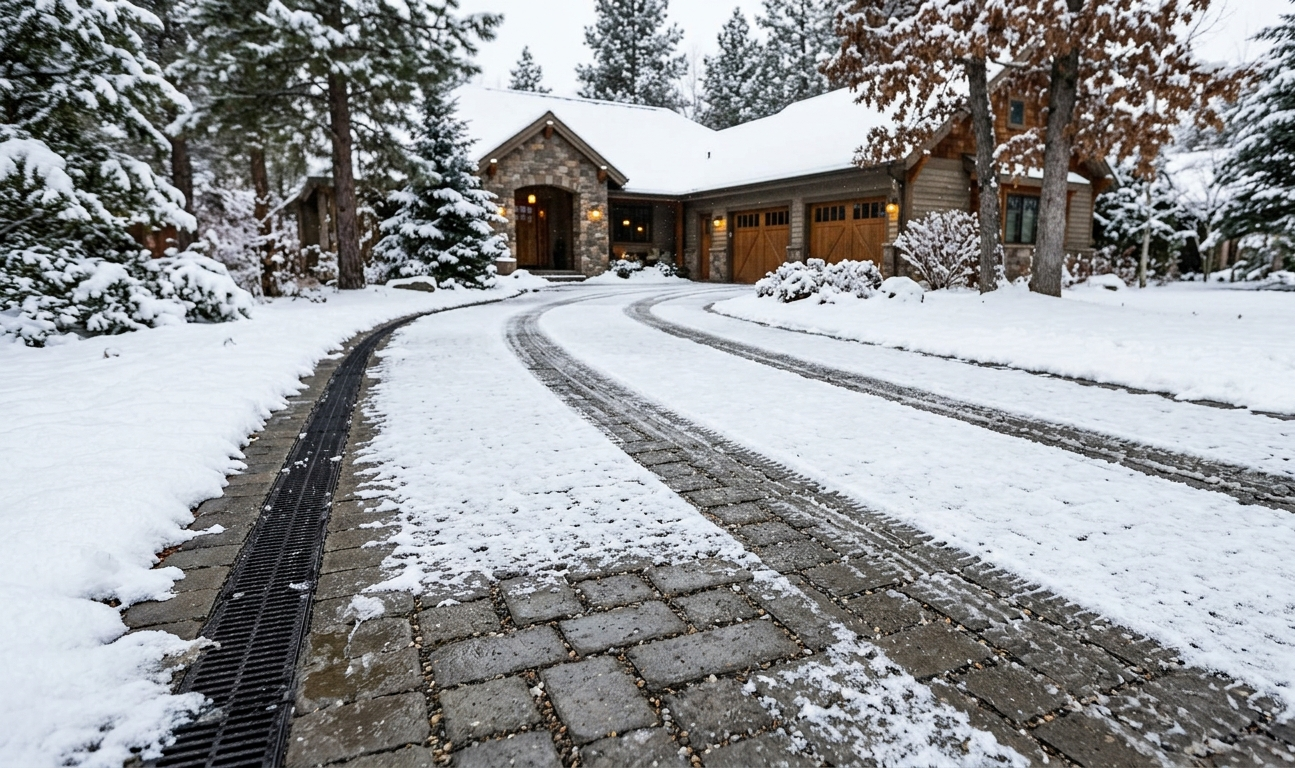
Deicing materials can affect pavers, joints, surrounding plants, and nearby soil, so homeowners should follow the recommendations provided for their particular hardscape. Some manufacturers limit the types of deicers that may be used, especially during the early life of a concrete product. Salt is not the only substance used for winter ice control. Products containing calcium chloride, magnesium chloride, and other compounds behave differently at changing temperatures. A chemical that melts ice effectively is not necessarily suitable for every patio, walkway, or driveway.
Mechanical snow removal, prompt shoveling, traction materials, and careful product selection may reduce the amount of deicer required. The safest winter maintenance plan considers the paver manufacturer’s guidance, the environmental conditions, surrounding landscape, surface use, and potential runoff rather than applying road-treatment practices directly to a residential patio.
What Happens If You Do Not Seal Pavers?
Pavers do not automatically fail when they are left unsealed. Many patios and walkways can remain functional and attractive without sealer when they are properly installed and receive appropriate routine maintenance. Unsealed pavers may absorb certain spills more readily, depending on the material. Their color may also change naturally as they weather, and joints will still need attention over time. These outcomes should be distinguished from structural problems such as settlement, poor drainage, loose edges, or an unstable base.
Homeowners who choose not to seal should keep the surface clean, remove stains promptly, monitor the joints, manage nearby vegetation, and watch how water moves across the patio. The choice between sealed and unsealed pavers is a maintenance and appearance decision, not a simple choice between protecting the patio and neglecting it.
How Does Drainage Affect Paver Performance?
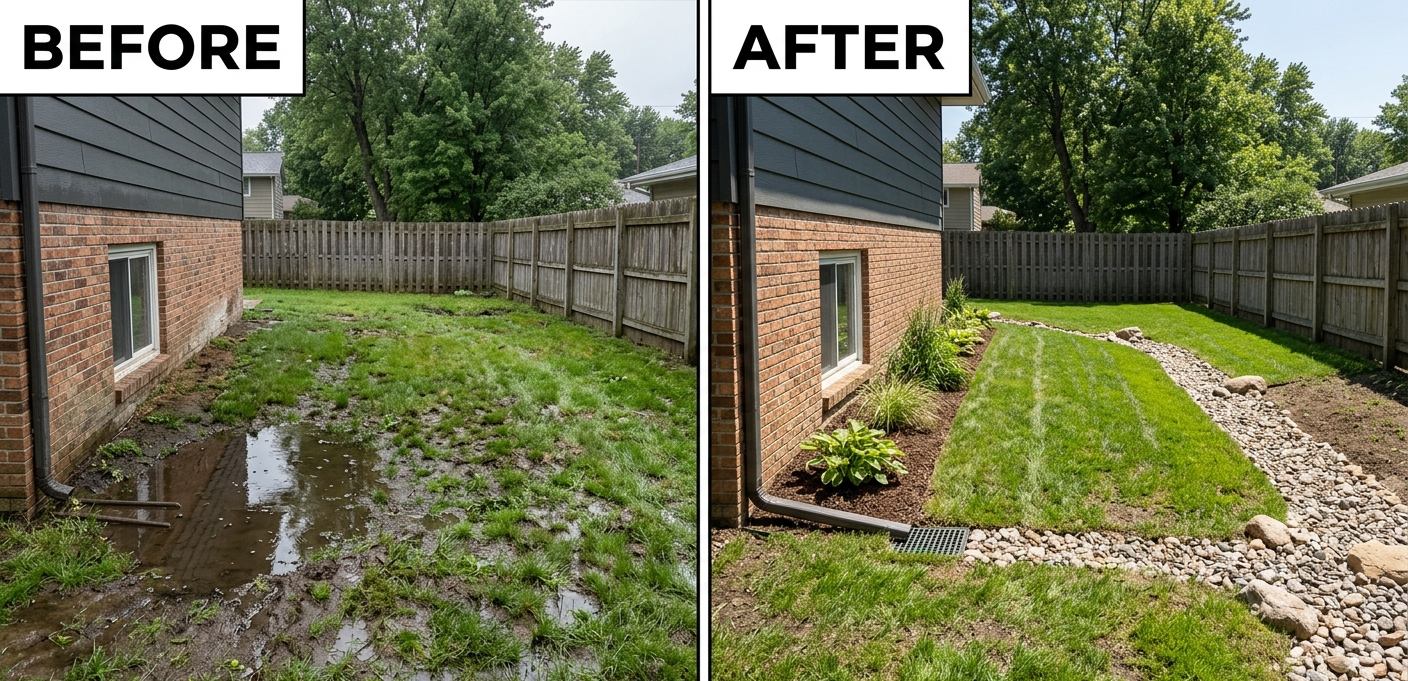
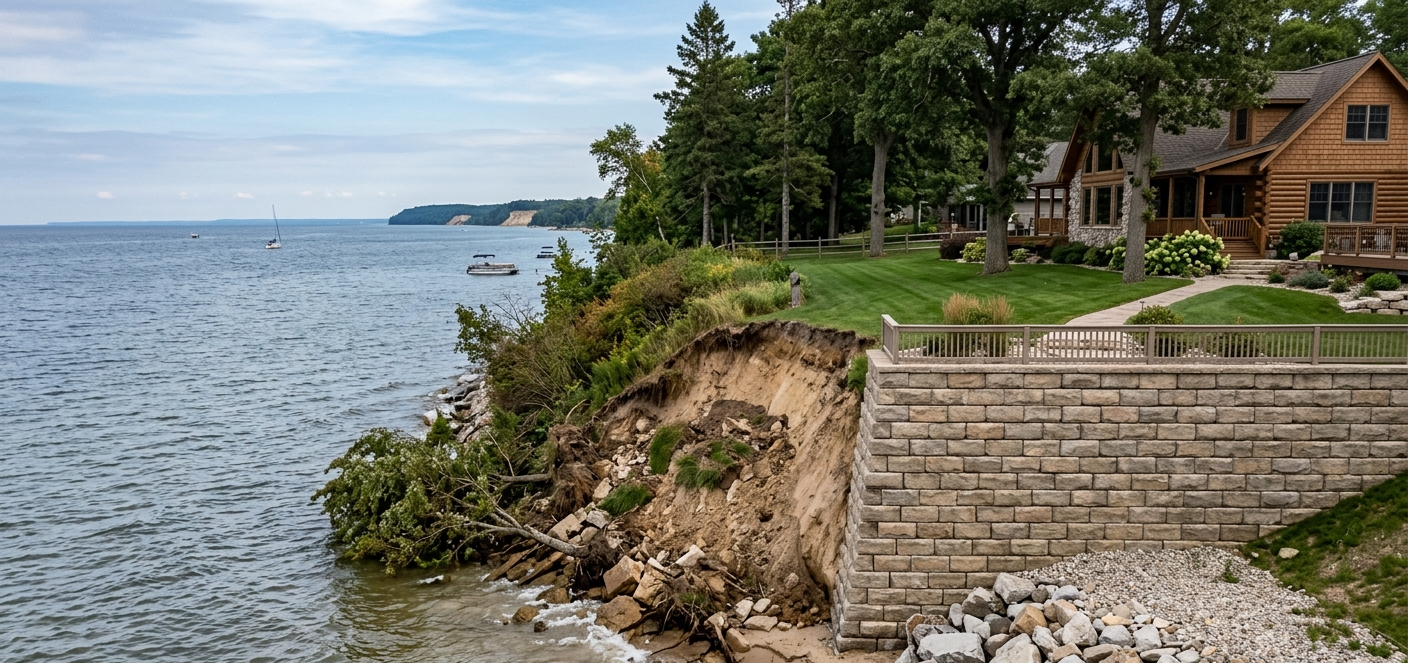
Drainage has a greater influence on long-term paver performance than most surface treatments. Water that repeatedly pools on the patio, runs toward the foundation, erodes the edges, or saturates the base may indicate a grading or drainage problem that sealer cannot resolve. A paver installation should be designed so water moves safely away from buildings while avoiding erosion or concentrated runoff. The patio grade, base materials, surrounding lawn, downspouts, planting beds, retaining walls, and drainage outlets all affect that movement.
Our guide to solving drainage problems through landscape grading explains why hardscapes cannot be evaluated separately from the rest of the property. If water repeatedly collects around a patio, the underlying drainage issue should be investigated before another coating is applied.
How Does Paver Care Fit Into Overall Yard Maintenance?
A patio functions as part of the wider landscape. Grass can grow across its edges, soil can wash from nearby planting beds, leaves can collect in joints, and mulch can be carried onto the surface during storms. These conditions influence staining, weed growth, drainage, and joint performance. Routine care should include removing leaves and organic debris, keeping lawn edges controlled, monitoring joint material, cleaning spills, and observing how water moves after heavy rain. Homeowners should also limit unnecessary contact between pavers and fertilizers, herbicides, or other lawn products unless those materials are known to be compatible.
This whole-property approach is especially useful during spring cleanup and fall preparation. Hardscape and landscape maintenance work best together because many patio problems originate outside the patio itself. Addressing the source of soil, water, or debris can be more effective than repeatedly cleaning the symptoms.
Signs Your Pavers Need More Than Sealing
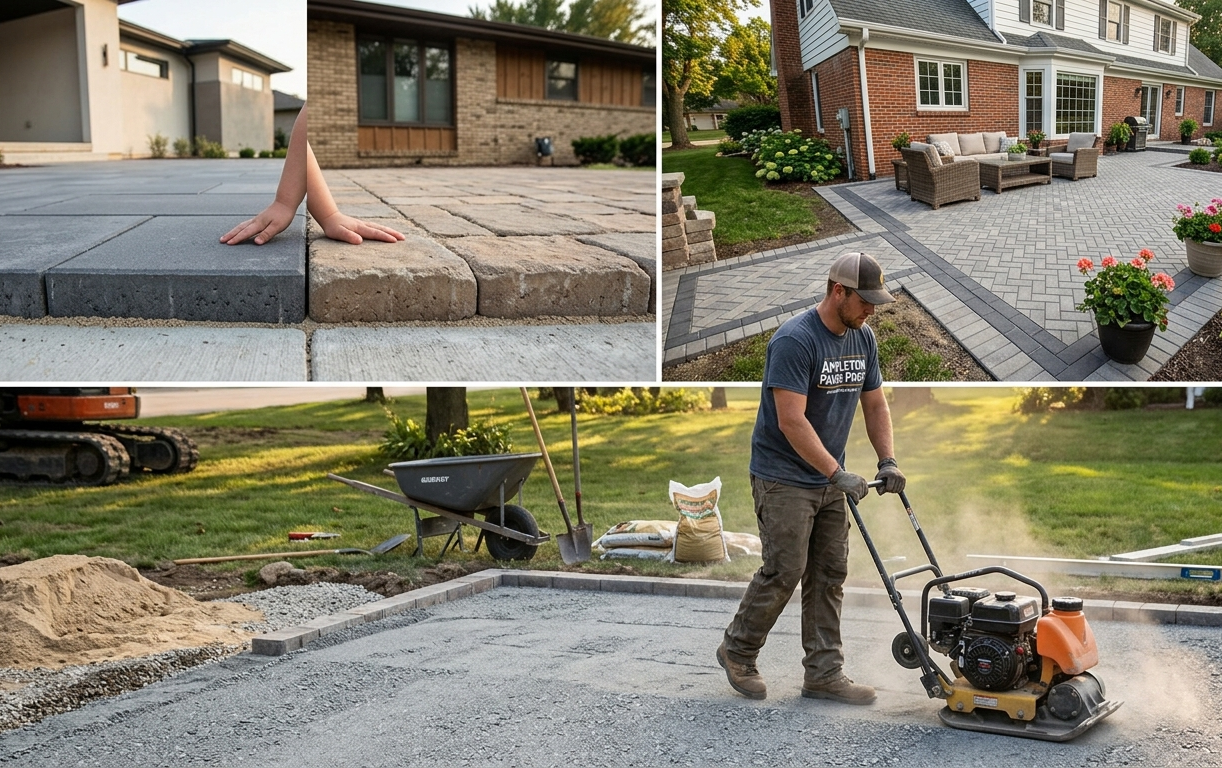
Settling, rocking pavers, uneven areas, repeated joint loss, spreading edges, and water pooling usually require more than a surface treatment. These signs may indicate base failure, erosion, inadequate edge restraint, poor compaction, or drainage problems below or beside the patio. Existing sealers can also fail. Haze, whitening, peeling, blotchy color, trapped moisture, and uneven gloss should be evaluated before another product is added. Applying a new coating over an incompatible or deteriorated treatment may make the problem more difficult and expensive to correct.
Wisconsin soil and preparation requirements can have a major effect on hardscape stability. Our article about why base preparation affects hardscape costs provides additional insight into why the work beneath a patio matters. The actual cause of movement or deterioration should be identified before sealing is recommended.
Creating a Complete Outdoor Living Space
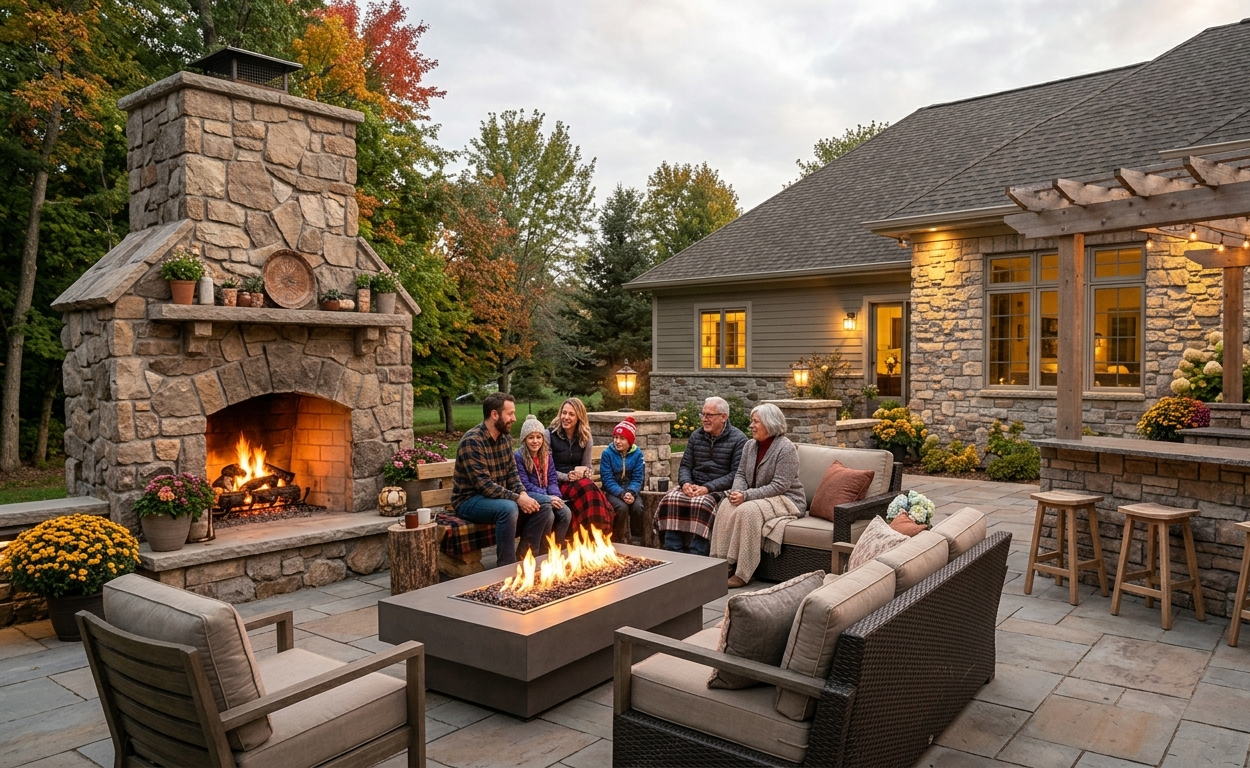
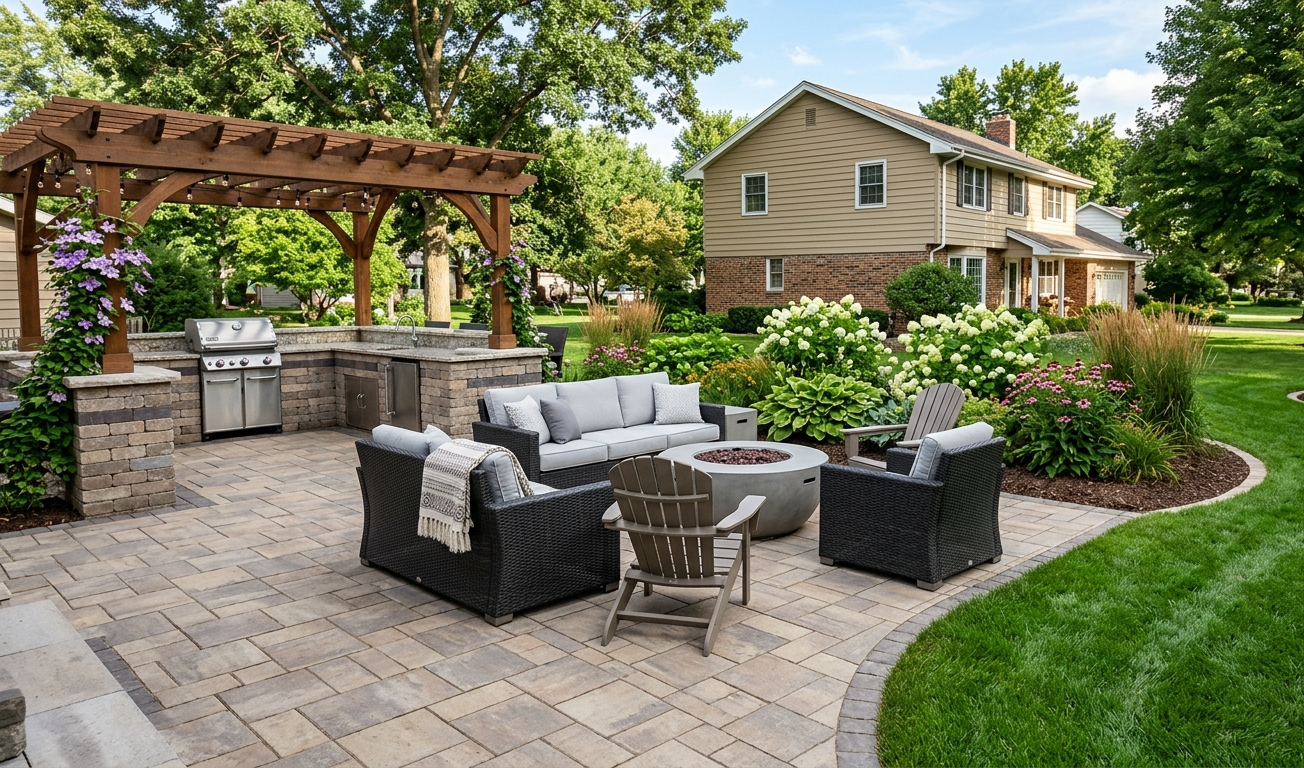
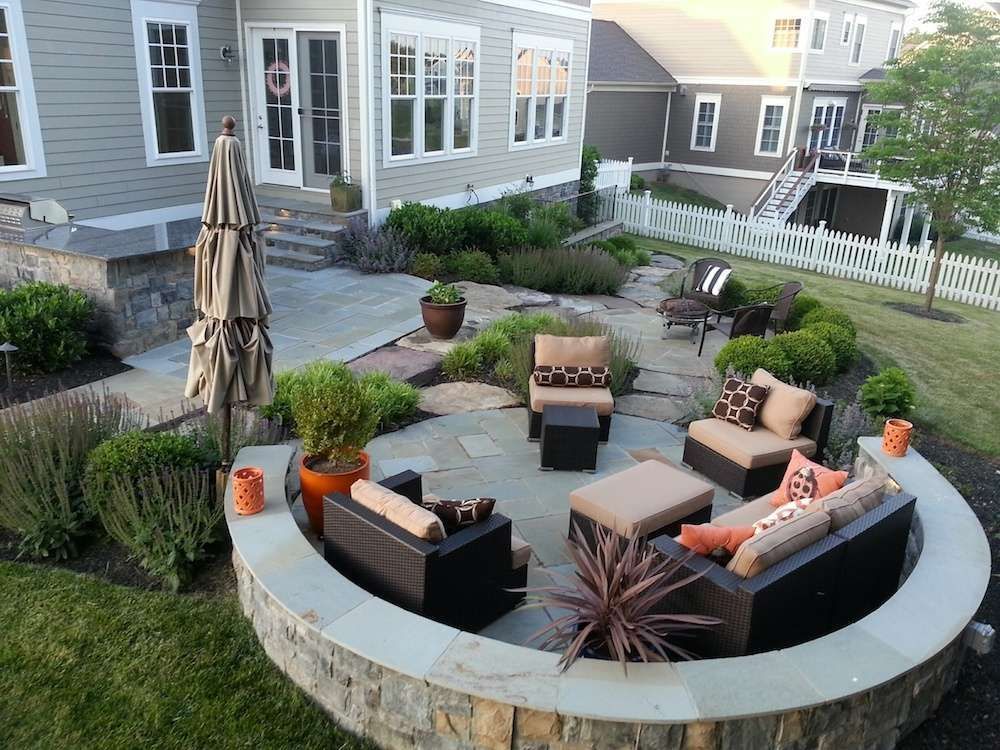
Paver care becomes particularly important when the patio supports grills, dining furniture, fire features, or an outdoor kitchen. These areas experience more grease, food, beverages, ash, foot traffic, and furniture movement than a simple walkway. The layout of these features can also influence the type of sealer and finish selected. A highly glossy surface may not be ideal where people regularly walk with wet shoes or where chairs need stable footing. Heat-producing features require appropriate clearances and materials regardless of whether the surrounding pavers are sealed.
Homeowners still planning their outdoor space can read our comparison of fire pits and outdoor fireplaces. Choosing features, materials, and maintenance requirements together can produce a more practical patio than treating each decision as an unrelated project.
Why Choose Urban Renovations?
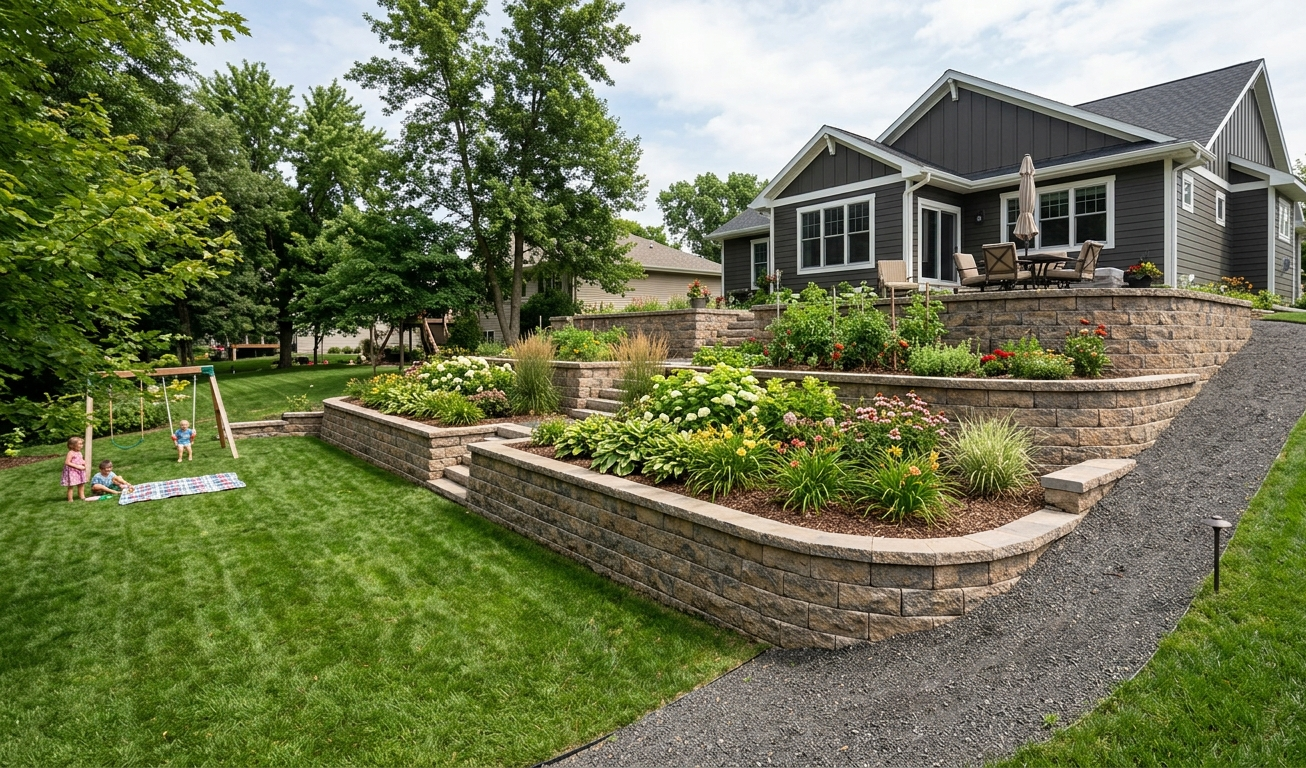
Urban Renovations brings more than a decade of experience to paver patios, walkways, retaining walls, and complete outdoor living projects throughout Appleton, the Fox Valley, and Waupaca. Our approach to hardscaping Appleton properties begins beneath the finished surface, so drainage, excavation, base preparation, compaction, edge restraint, and installation details all receive careful attention. As a Unilock Authorized Contractor, we bring certified installation knowledge to projects involving pavers and related hardscape systems. We also offer 3D project visualization, helping homeowners understand how patios, walkways, walls, fire features, and landscaping can work together before construction begins.
Our recommendations are based on the actual condition and purpose of the outdoor space. Sealing may provide useful stain resistance or enhance the appearance of suitable pavers, but it is not a substitute for repair or proper installation.
Frequently Asked Questions About Paver Sealing
Does paver sealer make a patio slippery?
Some paver sealers can make a patio more slippery, particularly when a film-forming or high-gloss product becomes wet. The degree of change depends on the sealer, paver texture, application rate, number of coats, and whether an approved traction additive is used. Areas near pools, steps, slopes, outdoor kitchens, and frequently wet walkways require particular care. Homeowners should review the product’s traction information and test the finish before treating the full surface. Appearance should never be considered separately from safety. A natural or matte penetrating sealer may provide a more suitable result when preserving surface traction is an important priority.
Can old pavers still be sealed?
Older pavers can often be sealed when they remain structurally sound and can be prepared according to the product requirements. Their age alone does not prevent sealing, but the surface should first be inspected for stains, efflorescence, damaged joints, settlement, previous coatings, moisture problems, and deterioration. Cleaning may reveal color variations or repairs that become more noticeable after a color-enhancing product is applied. If an old sealer is already present, its type and condition should be identified before applying another treatment. A small test area can help confirm compatibility and appearance before the entire patio, walkway, or driveway is coated.
What happens if it rains after pavers are sealed?
Rain can interfere with paver sealer when it reaches the surface before the product has cured sufficiently. Depending on the sealer and timing, moisture may cause cloudiness, spotting, bubbling, poor adhesion, uneven gloss, or reduced performance. The exact outcome depends on the product formulation, temperature, humidity, surface moisture, and amount of rain. Homeowners should follow the manufacturer’s minimum dry-time and curing instructions rather than relying on a general rule. The forecast should be checked for the full application and curing period. If unexpected rain affects newly sealed pavers, contact the product manufacturer or installer before attempting to add another coat or clean the surface.
Can new sealer be applied over an existing sealer?
New sealer can sometimes be applied over an existing coating, but only when the products are compatible and the old treatment remains properly bonded. Solvent-based, water-based, penetrating, and film-forming sealers can behave differently, and combining incompatible products may result in peeling, whitening, bubbling, or uneven color. The surface should be inspected, cleaned, and tested before recoating. In some cases, the old product may need to be removed before a new system is applied. Homeowners who do not know which sealer was previously used should avoid guessing. A test area and guidance from the product manufacturer can help prevent a widespread finish problem.
Will sealing stop ants from getting between pavers?
Paver sealing will not reliably prevent ants from entering joints because it is not a pest-control treatment. A compatible sealer may help stabilize certain joint materials, making loose sand less likely to be displaced, but ants can still enter through edges, cracks, damaged joints, or surrounding soil. Food debris, organic material, and nearby nesting conditions may also encourage activity around a patio. Homeowners should keep the surface clean, repair depleted joints, maintain supported edges, and address pest activity using an appropriate method. If ants repeatedly remove joint material, the patio should be inspected to determine whether the joints or underlying conditions require attention.
Is glossy paver sealer better than a natural finish?
Glossy paver sealer is not automatically better than a natural or matte finish. Gloss primarily changes appearance, although many glossy products are film-forming and may behave differently from penetrating sealers. A high-gloss coating can deepen color and create a polished look, but it may show wear, scratches, trapped moisture, or uneven application more clearly. It can also affect traction when wet. Natural-look products generally create less visible change and may suit homeowners who want protection without a noticeably coated surface. The best choice depends on the paver material, desired appearance, exposure, maintenance expectations, surface use, and manufacturer’s recommendations.
Final Thoughts
Paver sealing can improve stain resistance, enhance color, and support certain compatible joint systems, but it is not necessary for every patio. The right decision begins with the paver material, manufacturer’s instructions, existing surface condition, previous treatments, intended use, and the appearance the homeowner wants. Wisconsin’s rain, snow, freezing temperatures, and spring thaw make drainage and base construction especially important. A sealer cannot stabilize a weak foundation, correct poor grading, repair settled pavers, or prevent every effect of moisture and freezing.
Homeowners should evaluate the patio as a complete system. Keep the surface clean, monitor the joints and edges, address drainage concerns, and repair structural problems before considering a coating. When sealing offers a meaningful benefit and the surface is properly prepared, it can become a useful part of a practical long-term maintenance plan.
Protect the Hardscape You Already Invested In
Not sure whether your pavers need sealing, cleaning, joint maintenance, or repair? Contact Urban Renovations to discuss the condition of your patio, walkway, or driveway. Our team can help you identify the underlying issue and determine practical next steps for protecting your outdoor space.
Follow our social media pages below:
About Urban Renovations
Urban Renovations is Central Wisconsin’s one stop team for hardscaping and landscaping, built around clean craftsmanship and a smooth experience from start to finish. They handle everything from paver patios, retaining walls, pergolas, and outdoor kitchens to grading, lawn installation, planting, and drainage that keeps your yard looking right and working right. Their 3D design process helps homeowners see the plan before work begins, so decisions feel confident and surprises stay off the jobsite. From the first conversation to the final walkthrough, their crew keeps communication clear, timelines realistic, and results built to last.

Ready to transform your outdoor space?
Trusted Local Team • Design and Build • Licensed and Insured • Year Round Service
From complete yard makeovers and hardscape installations to mowing and seasonal cleanups, we help Wisconsin homeowners get it done right. Call 920-250-8075 or submit the form below to get started.
Contact Us
Ready to Upgrade Your Outdoor Space?
If you are thinking about a new patio, retaining wall, pergola, or a fresh lawn install, our team is here to help you plan it right and build it to last. Reach out to Urban Renovations to talk through your goals, get expert guidance, and take the next step toward a clean, functional outdoor space you will enjoy for years.
Follow Us
Get A Free Quote Today!